




Paper pallet sizes are an important factor to understand before choosing a packaging system for distribution and export. Therefore, you need to carefully review the explanation below to avoid choosing the wrong pallet size for your goods. In addition, this article discusses standard sizes commonly used in the logistics industry. Continue reading to learn more so that your shipping process can run more efficiently.
In modern logistics, pallets do more than simply serve as a base for goods. Pallets also affect space efficiency, shipping costs, and loading and unloading speed. Paper pallets are emerging as a lightweight and flexible solution that is increasingly being used across various industrial sectors.
The Role of Paper Pallets in Logistics Systems
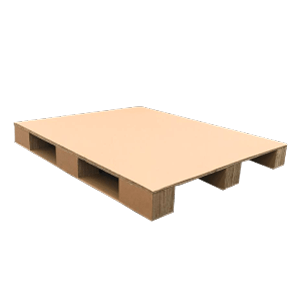
Paper pallets are made from layered cardboard materials with a specialized structural design. This design allows them to support heavy loads without significantly increasing shipping weight. According to logistics industry data, the use of lightweight pallets can reduce transportation costs by up to 10–15%, particularly for air freight.
In addition, paper pallets are pest-free and do not require ISPM 15 treatment. This can help make the export process faster. Therefore, paper pallet size is one of the key factors in efficient logistics planning.
After understanding their role, it is important to know the standard sizes commonly used.
Common Standard Paper Pallet Sizes
Paper pallets follow international logistics standards to ensure that they can be easily used in warehouses and with material-handling equipment. These standards help make stacking and storage more organized.
At this stage, it is important to understand that pallet size affects both load capacity and cargo stability.
1000 x 1200 mm Size
This size is commonly used for exports and ocean container shipments. Its dimensions are aligned with international standards and make it easy to arrange pallets inside both 20-foot and 40-foot containers. Many companies choose this size because it is compatible with standard forklifts.
In practice, this paper pallet size is suitable for heavy goods with large volumes.
800 x 1200 mm Size
This size is known as the European standard. These pallets are widely used in retail and fast-distribution industries. Their more compact dimensions help improve warehouse space efficiency.
In addition, this size is often used for land transportation and large-scale e-commerce shipments.
Paper Pallet Sizes for E-Commerce and Retail
E-commerce growth in Indonesia has reached more than 20% per year. This surge has increased demand for lightweight and easy-to-handle pallets. Paper pallets have become a popular choice because they are practical and clean.
In this context, paper pallet sizes for e-commerce are generally smaller and more flexible.
600 x 800 mm Size
This size is suitable for retail package shipments and medium-volume goods. These pallets are easy to move manually and do not require much space. Many e-commerce logistics centers use this size for fast sorting processes.
In addition, this size helps reduce unused space during transportation.
Custom-Size Paper Pallets for Special Requirements
Not every product is suitable for standard pallet sizes. Certain products require specially sized pallets to ensure stability and safety. Paper pallets can be manufactured in custom dimensions according to specific cargo requirements.
Custom sizes help maximize available space and reduce the risk of damage. In many cases, companies choose this solution for unique or high-value products. Therefore, paper pallet size does not always have to follow common standard dimensions.
Also Read: Complete Wooden Pallet Solutions in Indonesia
This approach is widely used in the electronics, pharmaceutical, and precision manufacturing industries.
Load Capacity Based on Pallet Size
Pallet size has a direct impact on load capacity. Paper pallets with a honeycomb structure can support loads of up to 500–1,000 kg, depending on the design and load distribution.
According to industrial packaging manufacturer data, large paper pallets with a full structural design can replace wooden pallets for many export applications. Therefore, paper pallet size should be selected based on the weight and type of goods.
Even load distribution helps maintain stability throughout the shipping process.
Benefits of Choosing the Right Pallet Size
Choosing the right pallet size provides many benefits. Container space can be utilized more effectively. Shipping costs can also become more efficient. In addition, loading and unloading processes can be completed more quickly.
Choosing the wrong size often results in wasted space and an increased risk of cargo shifting. Therefore, planning from the beginning is a key factor in successful logistics operations.
In this regard, paper pallet size plays an important role in operational efficiency.
PT. Bumi Mandiri Resources’ Role in Paper Pallet Solutions
PT. Bumi Mandiri Resources supports modern logistics requirements with efficient and flexible pallet solutions. The company understands that every product has different characteristics. Therefore, its approach is always tailored to specific shipping requirements.
With experience in the export and distribution sectors, the company helps businesses choose the right pallet size. This approach helps reduce costs and improve shipping safety.
Conclusion: Size Determines Logistics Efficiency
Paper pallets offer a modern solution that is lightweight, safe, and flexible. Various sizes are available for export, retail, and e-commerce requirements. Data indicates that choosing the right size can improve cost and time efficiency.
By understanding paper pallet sizes, businesses can design more effective packaging systems. This helps maintain product quality and ensure smooth distribution in both domestic and international markets.
Email: info@bmr-pallets.com
WhatsApp: +62 8119-787-911

