
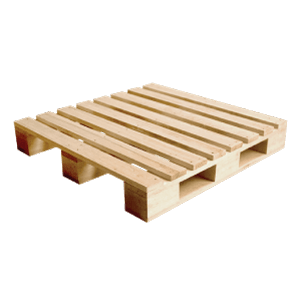




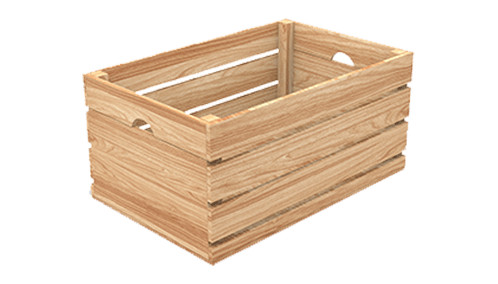
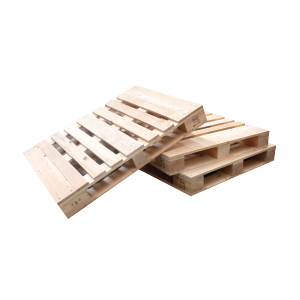

wooden pallets with low quarantine risk are the main choice for exporters to ensure smooth shipping. Therefore, exporters need to understand the technical standards from the beginning of production. In addition, small mistakes in pallets can often trigger additional inspections. So, read the following discussion until the end because every stage determines whether the pallets pass quarantine inspection.
Also Read Complete Wooden Pallets in Indonesia
Why Is Quarantine So Strict on Wooden Pallets?
Quarantine authorities are responsible for protecting destination countries from foreign pests. Natural wood can potentially carry insect eggs and fungi. FAO data records that more than 40% of pest findings come from wooden packaging. Therefore, wooden pallets are always a focus of inspection.
In addition, global trade continues to grow. In 2023, the value of global exports reached USD 24 trillion. With such a large volume, quarantine authorities need uniform standards to keep the process efficient. Therefore, international regulations were introduced as a solution.
ISPM 15 as the Key to Low Quarantine Risk
ISPM 15 is the global standard for wooden packaging. This regulation applies in more than 180 countries. ISPM 15 regulates wood treatment to ensure it is free from harmful organisms. In addition, this standard makes cross-border verification easier.
After understanding its role, exporters need to apply this standard consistently.
Heat Treatment as the Main Method
Heat Treatment or HT heats the core of the wood to 56°C for at least 30 minutes. This process kills larvae, eggs, and fungi. IPPC data shows that the acceptance rate for HT pallets reaches more than 95% at international ports.
In addition, HT is environmentally friendly. Many countries are beginning to restrict Methyl Bromide due to environmental concerns. Therefore, HT has become the safest method for reducing quarantine risk.
Physical Characteristics of Wooden Pallets with Low Quarantine Risk
Pallets with low risk have clear physical characteristics. The wood looks dry and clean. There is no bark or mold stains. In addition, the surface of the wood looks even without major cracks.
In export practices, wooden pallets with low quarantine risk always pass the initial visual inspection. Quarantine authorities often conduct quick inspections based on physical condition. If the pallets look dirty, further inspection takes place immediately.
ISPM 15 Stamp as an Official Identification
Every pallet must have an ISPM 15 stamp. This stamp contains the country code, manufacturer registration number, and treatment method. In addition, the stamp must not be unclear or covered with paint.
If the stamp cannot be read, officers have the right to hold the goods. Southeast Asian port data shows that around 25% of holds occur because the stamp is unclear. Therefore, checking the stamp before container stuffing is a mandatory step.
Documents That Reduce Quarantine Risk
Documents serve as administrative evidence. Without complete documents, pallets may be held even if their physical condition meets the standards. Therefore, document synchronization is an important factor.
Heat Treatment Certificate
The HT certificate includes the date, temperature, duration, and chamber number. Internal data from major ports in Indonesia shows that shipments with complete HT certificates are completed 2–3 days faster. This happens because officers do not need additional verification.
Packing List and Invoice
The packing list explains the number of pallets, type of wood, and weight. The invoice ensures that the value and details of the goods are consistent. Data inconsistencies often trigger further inspections by quarantine and customs authorities.
Differences in Risk Levels in Destination Countries
Each country has different levels of strictness. Japan and Australia are known for being very detailed. Pallets must be clean and free from soil and dust. Biosecurity Australia data records that nearly 100% of wooden packaging undergoes visual inspection.
The United States and Canada widely accept HT. However, random inspections still take place. Therefore, pallet quality still has a direct impact on the speed of the process.
Financial Impact of High Quarantine Risk
Held goods can lead to additional costs. The average demurrage cost at international ports reaches USD 50–120 per container per day. In addition, delays can affect distribution schedules and contracts.
In the long term, the exporter’s reputation can also be affected. Importers tend to choose partners with a smooth shipping history. Therefore, choosing pallets with low quarantine risk is a business strategy.
The Role of Pallet Manufacturers in Maintaining Low Risk
Pallet manufacturers play an important role starting from the selection of raw materials. The wood must be dry and free from mold. In addition, the Heat Treatment process must be properly controlled and recorded.
PT. Bumi Mandiri Resources applies digital temperature recording in every chamber. With this system, data can be easily verified. In addition, pallets are produced according to the requirements of the destination country, significantly reducing quarantine risk.
Practical Tips for Keeping Wooden Pallets Safe
Use certified HT pallets from the beginning. In addition, keep both physical and digital copies of the documents. Conduct a visual inspection before shipping. With these steps, the potential for goods to be held can be significantly reduced.
Lastly, work with an experienced manufacturer. With consistent standards, exports can run smoothly and efficiently. Therefore, make sure every shipment uses wooden pallets with low quarantine risk so that your export business can continue to grow without obstacles.
E-mail: info@bmr-pallets.com
WA: +62 8119-787-911

