




Pallet design is a key factor that determines the success of pallet use in modern logistics systems, and PT. Bumi Mandiri Resources (BMR) plays an active role in providing designs that meet industrial needs. Many businesses choose paper pallets not only because of their material, but also because their structural design can provide distribution efficiency and safety. Therefore, read the discussion below to understand the concept of pallet design, its types, and the effect of design on operational performance.
The Role of Design in Paper Pallet Performance
Paper pallet design functions to distribute loads evenly. Unlike wooden pallets that rely on the strength of solid materials, paper pallets rely on structure and shape engineering. The arrangement of layers, support patterns, and direction of the paper fibers greatly affect pallet durability.
In industrial applications, the right design can increase pallet strength without adding weight. This allows the pallet to remain lightweight while being able to support product loads. Industry data shows that good structural design can increase the load capacity of paper pallets by up to two times compared to standard designs.
After understanding the role of design, it is important to know the main components that make up a paper pallet.
Main Components of Paper Pallet Design
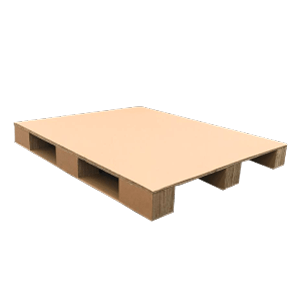
Paper pallet design consists of several main components. The deck functions as the supporting surface for goods. This part is usually made from layered corrugated cardboard to provide strength against pressure.
The legs or core support the load and provide space for forklifts or hand pallets. The right core arrangement determines the stability of the pallet when it is lifted and moved. In addition, reinforcement layers help maintain structural rigidity so that the pallet does not bend easily.
Common Types of Paper Pallet Designs
Pallet designs are developed according to industrial needs and distribution characteristics. Each design has different advantages and applications. Choosing the right design helps industries achieve maximum efficiency.
Pallets do not have just one design. Design variations are created to suit the load, product size, and warehouse system being used.
Flat Deck Paper Pallet Design
The flat deck design is the simplest design. The top surface of the pallet is made flat to support cartons or packaging evenly. This design is suitable for products with flat bases and stable load distribution.
Flat decks are often used in the food, beverage, and FMCG industries. This design makes stacking easier and keeps products stable during shipping.
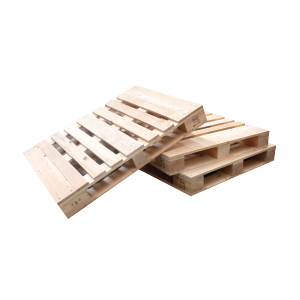
Also Read Complete Wooden Pallets in Indonesia
Paper Pallet Design with Honeycomb Core
The honeycomb core design uses a honeycomb structure in the core section. This structure is known for its high strength-to-weight ratio. With this design, pallets can support heavy loads while remaining lightweight.
Honeycomb cores are widely used for the distribution of electronic products and light to medium manufacturing products. In addition to being strong, this design also provides good resistance to vertical pressure.
Stringer-Style Paper Pallet Design
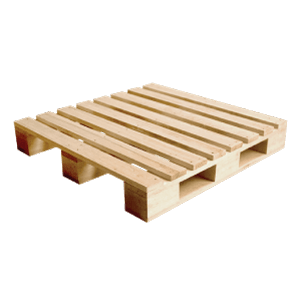
The stringer design resembles a wooden pallet with long beams as supports. On paper pallets, stringers are made from layered cardboard with a specific fiber orientation. This design provides additional stability when the pallet is lifted from different sides.
The stringer design is suitable for warehouses with high handling activity. Forklift access becomes more flexible and safe.
The Impact of Design on Logistics Efficiency
Pallet design greatly affects logistics efficiency. An optimal design helps reduce empty space in containers and warehouses. With better use of space, transportation costs can be reduced.
Pallet weight is also affected by the design. An efficient design can keep pallet weight in the range of 5–7 kg, making it much lighter than wooden pallets. This weight reduction directly affects shipping costs.
In addition, the right design makes loading and unloading easier. Handling time becomes shorter and labor productivity increases.
Paper Pallet Design and Industrial Suitability
Pallet design must be adjusted to the characteristics of the industry. The food and pharmaceutical industries require clean and stable designs. The e-commerce industry requires lightweight and flexible designs for one-way shipping.
Meanwhile, the manufacturing industry requires designs that can support heavier loads. Therefore, needs analysis is an important step before determining the pallet design.
Choosing the wrong design can cause product instability and distribution problems. Therefore, design should not be selected based only on price, but also based on its application.
BMR’s Role in Paper Pallet Design Development
Effective pallet design requires technical knowledge and industry experience. This is where PT. Bumi Mandiri Resources plays a strategic role. BMR helps industries determine paper pallet designs that suit their load, environmental, and distribution system requirements.
BMR conducts an application analysis before determining the design. With this approach, paper pallets can be used safely and efficiently. The design is adjusted to be compatible with forklifts, hand pallets, and modern warehouse systems.
In addition, BMR supports efficiency and sustainability. The right paper pallet design helps industries reduce logistics costs and minimize waste.
Conclusion
Paper pallet design is a key factor in determining the strength, efficiency, and safety of industrial distribution. By choosing the right design, paper pallets can become a lightweight, efficient, and functional logistics solution. With the support of PT. Bumi Mandiri Resources (BMR), industries can use paper pallet designs that meet their operational needs and support long-term business sustainability.
E-mail: info@bmr-pallets.com
WA: +62 8119-787-911

