
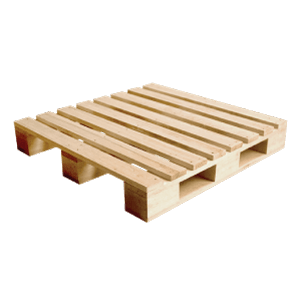


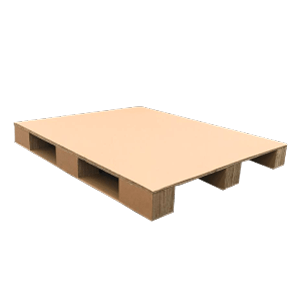

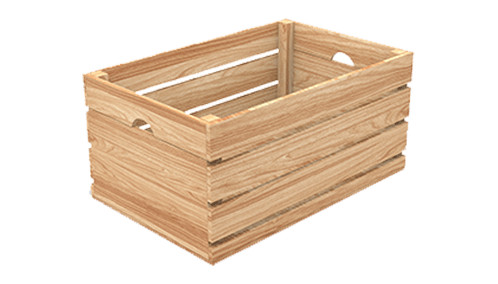
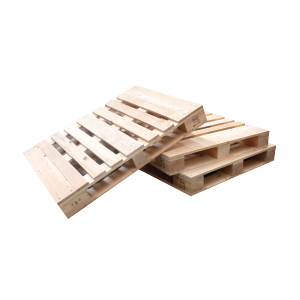

Find out about export packaging standards for wooden packaging such as pallets to ensure compliance with international requirements. BMR Pallets is ready to help your business export safely and legally!
Also read “Learn the Complete Rules for Exporting with Wooden Pallets!”
Understanding Standard Export Packaging Sizes
Exporting products to international markets is a major opportunity for business growth. However, challenges such as export packaging requirements can become obstacles if they are not properly understood.
As an experienced wooden pallet manufacturer, BMR Pallets will discuss the criteria that export packaging must meet to ensure smooth shipments and avoid rejection in the destination country.
Why Are Export Packaging Standards Important?
Export packaging standards are designed to ensure:
- Product safety during long-distance transportation.
- Compliance with export requirements and regulations, such as ISPM 15 for wooden packaging.
- Minimized risk of damage caused by weather, impact, or stacking.
- Easier customs inspections and faster logistics processes.
Failure to meet these standards can result in rejected shipments, penalties, or damage to your business reputation.
Export Packaging Standards for Wooden Packaging
Every type of wooden pallet has different standards, including wooden pallets used for export packaging such as EPAL pallets. So, what standards should you consider before using wooden packaging?
ISPM 15 Compliance
Whenever you export, the wooden packaging you use must have ISPM 15 certification. This standard requires wood to undergo heat treatment or fumigation to eliminate pests and plant diseases.
The export process can become more complicated if the wooden packaging you use is not accompanied by ISPM 15 certification. In fact, your exported goods may be rejected in Europe, the United States, and other destinations.
Strong and Durable Materials
Export packaging must be able to withstand heavy loads during transportation, extreme temperature changes, especially during ocean shipments, as well as vibration and pressure during transit. Low-quality wood is at risk of cracking or breaking, potentially compromising the safety of the products inside.
Easy-to-Pack Design
Export packaging standards also include designs that facilitate efficient stacking inside containers, the use of forklifts or pallet jacks, and label and barcode identification. BMR Pallets’ wooden pallets are designed in standard sizes (1200×1000 mm or 1200×800 mm) that are compatible with global logistics systems.
Clear and Accurate Labeling
Every export package must include product information, markings such as “Handle With Care” or “This Side Up,” the ISPM 15 logo, and the country of origin.
Complete Documentation
In addition to the packaging itself, supporting documents such as fumigation certificates, packing lists, and commercial invoices must be prepared to meet customs audit requirements.
How to Choose the Right Export Packaging Manufacturer?
Choosing the wrong export wooden pallet can have an impact on your export process in the destination country. Therefore, consider the following steps before choosing an export pallet:
- Make sure the vendor has ISPM 15 certification.
- Check its reputation and international shipping portfolio.
- Test the packaging strength through shipping simulations.
- Negotiate competitive pricing without compromising quality.
Also read “What Are the Right Euro Pallet Specifications for Export?”
Choose the Right Export Packaging Standards at BMR Pallets!
Export packaging standards are not merely a formality, but an investment in maintaining the trust of international clients and avoiding potential losses. By choosing BMR Pallets as your wooden packaging partner, your export process can be more efficient, safe, and compliant with regulations.
Discuss your export pallet requirements with our team by clicking the button below. Get a special price offer for every export pallet purchase you make with BMR Pallets!

