
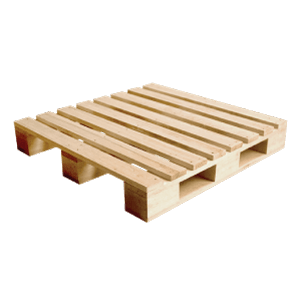


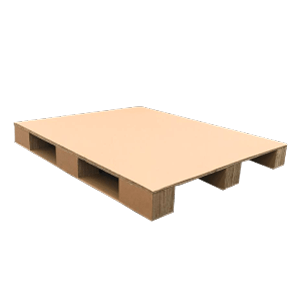

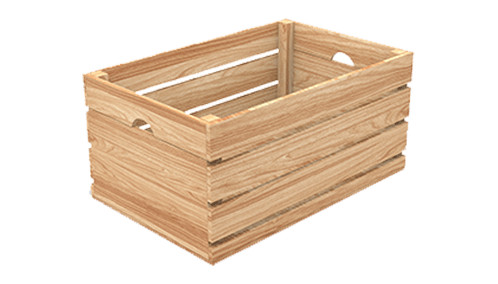
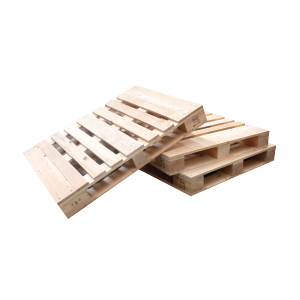

Looking for a Supplier that Sells Wooden Pallets? In logistics activities, the condition of wooden pallets is often not a major concern as long as they can still be used. However, in practice, pallet quality has a direct impact on cargo safety, distribution efficiency, and overall operational stability.
One condition that often occurs is the use of wet pallets, either due to environmental exposure or improper storage processes. If not handled properly, this condition can create various risks that directly affect product quality and smooth distribution.
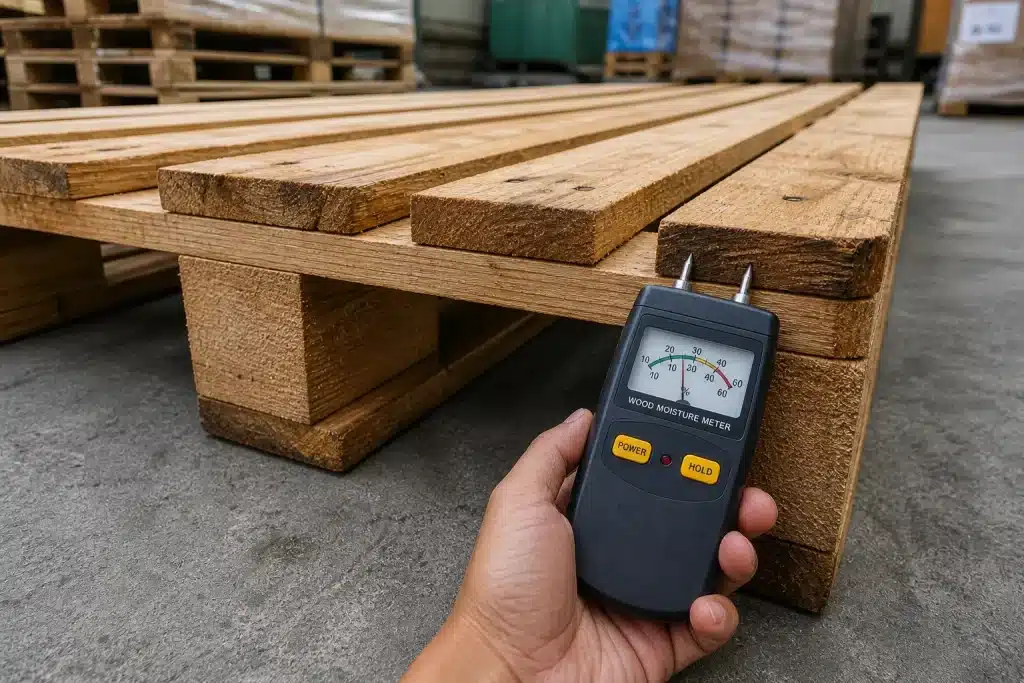
Main Causes of Wet Pallets in Logistics Processes
Wet pallets are generally caused by a combination of environmental factors and less-than-optimal handling processes. In logistics systems involving many transfer points, the potential for moisture exposure becomes even higher.
Understanding the main causes is an important step in preventing this problem from happening repeatedly. With proper control, companies can maintain pallet quality and reduce operational risks.
Exposure to Water from the Warehouse Environment
Wooden pallets stored in warehouses with damp floors or roof leaks can easily absorb water. Wood is hygroscopic, meaning it can absorb moisture from its surrounding environment.
Under these conditions, pallets that are continuously exposed will become wet pallets and may have difficulty returning to a dry condition naturally. This can become the starting point for various further problems in logistics operations.
Non-Standardized Storage Processes
Arranging pallets directly on the floor without a base or racking system can increase the risk of water absorption. In addition, storing pallets in stacks without proper ventilation can also slow down the drying process.
Without a proper storage system, wet pallets will remain wet for longer and may spread the condition to other pallets in the same storage area.
Using Pallets with High Moisture Content
Pallets used without an optimal drying process from the beginning will have a higher moisture content. Under certain environmental conditions, this will accelerate the change into wet pallets.
Using pallets with uncontrolled material quality is one of the main factors that is often overlooked in logistics operations.
Impact of Using Wet Pallets on Logistics Operations
The use of wet pallets not only affects the condition of the material, but also directly impacts product quality and distribution efficiency. In some cases, the impact can be significant for operations.
Understanding these impacts helps companies make more appropriate decisions regarding the use and management of wooden pallets.
Risk of Product Damage During Distribution
Wet pallets can cause moisture to transfer to stored products, especially goods that are sensitive to water or moisture. This increases the risk of product damage during the distribution process.
In certain scenarios, this damage may occur gradually and only become visible when the goods arrive at their destination, resulting in greater losses.
Reduced Pallet Structural Strength
Wood that absorbs water will undergo structural changes, causing its strength to decrease. Wet pallets tend to crack or break more easily when used to support loads.
In operations involving heavy loads, this condition increases the risk of workplace accidents and cargo damage during handling.
Increased Risk of Mold and Contamination
The condition of wet pallets creates an ideal environment for mold growth. Over time, pallets may experience discoloration and a decline in material quality.
In addition, the risk of product contamination also increases, especially in industries with high cleanliness standards.
How to Handle and Prevent Wet Pallets in Logistics Systems
Handling wet pallets needs to be done comprehensively, starting from the pallet selection process to the warehouse storage system. This approach helps significantly reduce the risks.
With the right system in place, companies can keep pallets in optimal condition and support smooth operations.
Using Pallets with Controlled Moisture Content
Using pallets with stable moisture content is a key step in prevention. Pallets that have gone through a drying process will be more resistant to changes in environmental conditions.
This helps reduce the risk of pallets becoming wet, even in warehouses with relatively high humidity.
Setting Up Proper Storage Systems
Using bases or racking systems helps prevent direct contact between pallets and damp floors. In addition, maintaining space between pallets is also important to ensure proper air circulation.
With a good storage system, wet pallets can be prevented from the beginning.
Improving Warehouse Environmental Control
Controlling humidity through ventilation or air control systems helps keep warehouse conditions stable. This is especially important in areas with high humidity levels.
Good environmental control will reduce the potential for wet pallets to occur in the long term.
Regular Inspection and Handling
Regular inspections of pallet conditions help detect pallets that are starting to experience excessive moisture. Pallets showing signs of being wet can be immediately separated to prevent further impact.
With a scheduled inspection system, companies can consistently maintain pallet quality.
The Importance of Using Quality Wooden Pallets in Logistics
In many cases, the problem of wet pallets starts with uncontrolled material quality from the beginning. Therefore, pallet selection is an important factor in prevention.
Using pallets with good quality standards helps maintain stable moisture content and improve durability under various operational conditions.
Recommended Wooden Pallet Solutions for the Logistics Industry
In logistics operations, pallet selection should consider material quality and the production process. Problems such as wet pallets are often related to unstable moisture content from the beginning.
As a wooden pallet manufacturer, BMR uses the Heat Treatment (HT) method to ensure that wood moisture content remains more stable and is less likely to absorb excessive moisture. This process helps reduce the risk of pallets becoming wet during long-term use.
BMR is also supported by approximately 15 drying chambers, allowing the drying process to be carried out consistently on a large scale. This helps ensure that pallet quality remains consistent and uniform.
In addition, the production process follows ISPM 15 standards, so the pallets are ready for export needs without compliance issues.
By choosing products from BMR, companies can improve operational stability and reduce risks in logistics systems. For more information:
👉 wooden pallets for sale
Consultation on Wooden Pallet Needs with BMR
Every logistics system has different requirements, including the selection of wooden pallet types and specifications. The right selection will help maintain distribution efficiency and safety.
The BMR team is ready to help you determine the best solution for your operational needs, including effectively addressing and preventing wet pallet problems.

