
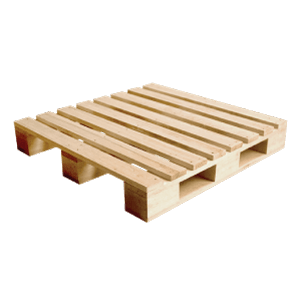



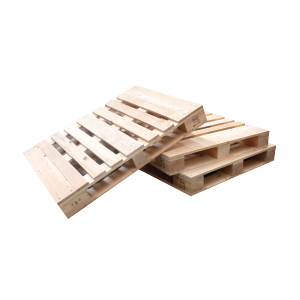

When pallet requirements involve heavy cargo and repeated use, the choice of wood species becomes an important part of the purchasing decision. A Merbau wood pallet offers hardwood characteristics that can be relevant for industrial applications where durability, load-bearing performance, and long-term use are key considerations.
Not all wood species provide the same characteristics when used for pallet manufacturing. Understanding the properties of the wood can help purchasing and warehouse teams select a pallet that matches the weight, handling conditions, and expected usage cycle of their operations.
Merbau is one hardwood option that may be considered for demanding pallet applications. Although more common wood types are often the first choice, Merbau provides characteristics that make it worth evaluating when standard pallet materials may not meet specific operational requirements.
Why Wood Species Matters for Pallet Performance
The type of wood used in a pallet influences characteristics such as hardness, density, durability, and resistance to environmental conditions. These characteristics can affect how the pallet performs when carrying cargo, being handled repeatedly, or stored in different warehouse environments.
For industrial operations, pallet selection therefore involves more than simply choosing between different pallet sizes. The wood species should also be considered alongside the required load capacity, handling method, storage environment, and expected number of reuse cycles.
A pallet designed for lightweight or short-term applications may not have the same requirements as one used for heavy industrial cargo. Choosing an appropriate wood species can help businesses align pallet construction with the physical demands placed on the pallet during its service life.
Merbau is a hardwood option that is sometimes overlooked compared with more commonly used pallet woods. Its relatively high hardness and density make it relevant for buyers looking for a heavy duty wood pallet for demanding applications.
This does not mean that Merbau is automatically suitable for every pallet requirement. The appropriate choice still depends on the actual cargo, pallet design, load requirements, and conditions in which the pallet will be used.
Characteristics of Merbau Wood for Pallet Use
Merbau has several characteristics that are relevant when evaluating it as a pallet material. These include its hardness and density, resistance to moisture and pest-related damage, and suitability for repeated use.
Understanding these characteristics allows buyers to evaluate Merbau based on practical requirements rather than selecting the wood solely because it is classified as a hardwood. The pallet’s final performance will still depend on how the material is processed and incorporated into the overall pallet design.
Hardness and Density Levels
Merbau is a dense hardwood, which contributes to its ability to support demanding pallet applications. The high density of the wood gives it a substantial structure that can be relevant when pallets are required to carry heavy shipments.
Hardness is another characteristic that matters when pallets are repeatedly subjected to handling and loading activities. A harder wood structure can provide resistance against physical wear, although actual pallet performance will depend on the construction and load conditions.
For buyers evaluating a Merbau hardwood pallet, these characteristics provide a useful starting point for assessing whether the material is appropriate for their operation. Load capacity should still be discussed with the pallet supplier because wood species alone does not determine the maximum safe load.
Resistance to Moisture and Pest Damage
Merbau is also recognized for characteristics that can make it suitable for environments where moisture and biological factors are concerns. Its natural properties can provide resistance to conditions such as humidity and certain forms of pest or fungal damage.
This characteristic can be relevant for warehouses where humidity is not fully controlled. However, the expected storage and operating conditions should still be communicated to the supplier so the pallet specification can be matched to the application.
Environmental resistance does not mean that a Merbau pallet is immune to all moisture-related or pest-related damage. Proper storage, handling, and applicable treatment remain important parts of maintaining pallet performance.
Durability for Repeated, Long-Term Use
Durability is particularly relevant when pallets are intended to be reused across multiple trips or warehouse cycles. The hardness and density of Merbau can make the material suitable for applications where pallets need to withstand repeated handling over a longer period.
Repeated forklift movement, stacking, loading, and unloading can place physical stress on pallet components. A durable wood species can therefore be useful when the operational model requires a pallet to remain in service across multiple handling cycles.
Long-term use can also affect the overall economics of pallet procurement because frequent replacement may increase operational costs. For this reason, buyers should evaluate expected reuse cycles alongside the initial pallet cost and required performance.
Advantages of Merbau Wood Pallets Over Other Wood Types
The characteristics of Merbau can provide several advantages for specific industrial pallet applications. These advantages are particularly relevant when the pallet is expected to support heavy cargo, remain in use across multiple trips, or operate in environments with relatively high humidity.
Higher Load-Bearing Capacity for Heavy Shipments
A dense hardwood such as Merbau can be considered for shipments involving substantial cargo weight. Its physical characteristics provide a strong material base for pallet construction when combined with an appropriate design and load specification.
For heavy industrial goods, pallet failure can create risks during storage and transportation. Buyers should therefore discuss the required load capacity with their supplier and ensure that the pallet construction is designed for the intended cargo.
Merbau can be especially relevant when the operation requires a heavy duty wood pallet rather than a pallet intended primarily for lightweight products. The final load-bearing performance should still be determined from the complete pallet specification rather than the wood species alone.
Longer Lifespan for Multi-Trip, Reusable Applications
A durable hardwood can be advantageous when pallets are expected to be used repeatedly. Merbau’s hardness and density can support applications where the pallet experiences multiple loading, unloading, stacking, and handling cycles.
This can make Merbau relevant for businesses that operate reusable pallet systems or have recurring transportation routes. The longer a pallet remains structurally suitable for its intended application, the more opportunities there may be to reuse it before replacement becomes necessary.
The actual lifespan of a pallet depends on more than its wood species. Handling practices, load distribution, storage conditions, pallet design, and frequency of use can all influence how long the pallet remains suitable for service.
Well-Suited for Storage Conditions With High Humidity
Merbau’s natural characteristics can also make it an option for storage environments where humidity is relatively high or difficult to control. This can be relevant for warehouses and industrial facilities where environmental conditions fluctuate throughout the year.
Even so, buyers should not treat Merbau as a substitute for proper storage practices. Protecting pallets from unnecessary exposure to water and maintaining appropriate warehouse conditions remain important for preserving pallet quality.
When to Choose Merbau Wood Pallets
Merbau may be worth considering when the operational requirements call for a combination of strength, durability, and resistance to demanding storage conditions. The decision should be based on how the pallet will actually be used rather than simply on the classification of Merbau as a hardwood.
Shipments Involving Very Heavy Cargo
Merbau can be considered for industrial shipments where cargo weight is a primary pallet-selection factor. Heavy machinery, construction materials, and other substantial goods may require a pallet specification designed around high load demands.
In these applications, buyers should provide accurate information about cargo weight, dimensions, load distribution, and handling methods. This allows the supplier to determine whether a Merbau pallet can be designed to meet the required application.
Long-Term Use With High Reuse Cycles
A Merbau pallet can also be considered when the business expects pallets to be reused across multiple trips. Its durable hardwood characteristics may be relevant for operations where pallets need to withstand repeated handling over an extended period.
This can include recurring shipments between production facilities, warehouses, and distribution locations. The expected reuse cycle should be discussed with the supplier so that the pallet construction can be matched with the operational requirements.
Storage Environments With Uncontrolled Humidity
Merbau can also be considered for warehouse environments where humidity is relatively high or not consistently controlled. Its natural resistance characteristics may provide an advantage compared with wood materials that are less suited to such conditions.
The storage environment should still be assessed before the pallet is selected. Factors such as exposure to direct water, ventilation, stacking conditions, and duration of storage can all influence pallet performance.
What to Confirm Before Ordering Merbau Wood Pallets
Before ordering a Merbau pallet, buyers should evaluate more than the wood species itself. Export requirements, material availability, and the specific load capacity should all be confirmed with the supplier before production or purchase.
Confirm ISPM 15 Compliance for Export
For international shipments, buyers should ensure that the pallets go through the applicable ISPM 15 certification process. The brief specifically requires export buyers to confirm ISPM 15 compliance when ordering Merbau wood pallets.
This verification should be completed before the pallet is used for an export shipment. Buyers can ask the supplier for the relevant treatment and certification information to confirm that the pallet meets the requirements applicable to the shipment.
Verify Stock Availability
Merbau is less commonly used for pallets than some other wood types, which can affect material availability. Buyers should therefore confirm stock availability and expected production lead times before finalizing an order.
Checking availability early can be particularly important when a shipment has a fixed export schedule. This allows the purchasing team to determine whether the required quantity and specification can be supplied within the necessary timeframe.
Discuss Specific Load Capacity Requirements
Load capacity should be clearly communicated to the pallet supplier before ordering. Information about the cargo weight, dimensions, load distribution, stacking method, and handling equipment can help determine the appropriate pallet construction.
This is especially important when purchasing a hardwood pallet for export intended for heavy industrial goods. A supplier can use these requirements to recommend a suitable specification rather than relying only on the general characteristics of Merbau.
Final Thoughts: A Strong Option for Heavy, Long-Term Use
Merbau is a strong hardwood option that can be considered for heavy-duty and long-term pallet applications. Its hardness, density, durability, and natural resistance characteristics make it relevant for businesses handling heavy cargo or requiring repeated pallet use.
However, choosing Merbau should always begin with the actual operating conditions. Cargo weight, reuse cycles, warehouse humidity, handling methods, and export requirements should all be considered before selecting this wood type.
For international shipments, ISPM 15 compliance should also be confirmed before ordering. This ensures that the pallet selection process considers not only physical performance but also the requirements associated with export operations.
If you are considering a Merbau wood pallet for heavy cargo or long-term use, discussing your requirements with the supplier can help you determine the appropriate specification. BMR Pallets can provide information about Merbau pallet availability and help you evaluate options based on your operational needs.
Contact PT. Bumi Mandiri Resources today to get export-ready merbau wood pallets that fit your industry needs. Start with the right pallet, and you will save time, money, and reduce risks in logistics.
E-mail: info@bmr-pallets.com
WA: +62 8119-787-911

