






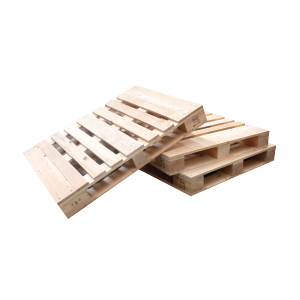

When planning international shipments, choosing the right pallet can affect how efficiently goods are handled, transported, and received. A Euro pallet for shipping is one option that has become widely recognized in international logistics because its standardized dimensions can simplify operations across different locations.
For purchasing and export teams, pallet selection is not only about carrying the cargo from one point to another. The pallet also needs to work with handling equipment, warehouse systems, containers, and requirements at the destination.
Euro pallets are commonly associated with standardized dimensions and established logistics practices. Understanding how they work throughout the shipping process can help businesses determine whether this pallet format fits their specific requirements.
Also read “How EPAL Pallets Benefit Your Business Operations in Malaysia”
Why Euro Pallets Are Often the Default Choice for International Shipping
One reason Euro pallets are widely considered for international shipments is their recognized dimensions. Having a consistent pallet format makes it easier for logistics teams to plan how goods will be arranged, handled, stored, and transported.
Standardized dimensions can also simplify communication between different parties involved in a shipment. Manufacturers, freight forwarders, warehouses, and receiving facilities can work from a familiar pallet specification instead of negotiating a completely different format for every shipment.
Euro pallets can also be compatible with warehouse and container systems used across different markets. This can be particularly relevant for businesses shipping between Europe and Asia, where goods may pass through several logistics environments before reaching their final destination.
The familiarity of the format can reduce uncertainty during operational planning. Instead of treating the pallet as a separate consideration at every stage, teams can incorporate its established dimensions into their existing logistics processes.
Another factor is the track record of Euro pallets in logistics operations. Their established use gives buyers and logistics teams a familiar reference point when discussing pallet requirements with suppliers, transport providers, and receiving warehouses.
This familiarity can be useful when shipments involve multiple logistics partners across different countries. However, buyers should still confirm that the specific pallet meets the requirements of the shipment rather than assuming that every Euro pallet will be suitable.
How Euro Pallets Work Throughout the Shipping Process
A Euro pallet can be involved in several stages of the logistics process, from the initial production facility through transportation and finally to the receiving warehouse. Understanding these stages helps explain why pallet dimensions and compatibility matter beyond the point of manufacturing.
From Point of Production to the Port
The shipping process typically begins when finished goods are placed on pallets at the production or distribution facility. At this stage, the pallet provides a standardized base that can be handled using equipment such as forklifts or pallet-handling systems.
Once the goods are prepared for transportation, the palletized cargo can move through internal warehouse operations before being transported toward the port. Consistent pallet dimensions can make it easier for operations teams to plan handling and loading activities throughout this stage.
The pallet therefore becomes part of the shipment configuration rather than simply a platform for the goods. Its dimensions, load capacity, and physical condition can all influence how efficiently cargo is prepared before leaving the facility.
Optimizing Space Inside Standard Containers
Container space is an important consideration in international shipping because available volume needs to be used efficiently. Standardized pallet dimensions give logistics teams a predictable basis for planning how palletized cargo can be arranged inside a container.
The arrangement still depends on factors such as cargo dimensions, pallet orientation, stacking requirements, and the specific container being used. Therefore, a Euro pallet does not automatically guarantee maximum container utilization, but its consistent dimensions can make space planning more straightforward.
For businesses using Euro pallet container shipping, this predictability can be useful during shipment planning. Teams can calculate the expected pallet configuration and identify potential space constraints before the cargo is loaded.
Handling at the Receiving Warehouse
After the shipment reaches its destination, the pallet may continue to be used during unloading, storage, and internal warehouse handling. A familiar pallet format can help receiving teams work with established handling procedures and equipment.
This can be especially useful when the receiving warehouse already operates with Euro pallet dimensions. When the pallet format aligns with the warehouse’s existing systems, the cargo can potentially move through receiving and storage without requiring unnecessary changes to the handling process.
Practical Advantages Over Non-Standard Pallets
Standardized dimensions can make several parts of shipping preparation easier compared with pallets built to non-standard specifications. The practical benefits are particularly relevant for businesses that regularly coordinate shipments involving multiple logistics partners or destinations.
Consistent Dimensions Simplify Load Capacity Calculations
Knowing the pallet dimensions provides a consistent reference when calculating how cargo will be arranged and how much space the shipment requires. This can help purchasing and logistics teams estimate pallet quantities, cargo configurations, and container loading requirements.
Consistent dimensions can also make communication between suppliers and logistics partners more straightforward. Rather than repeatedly defining a custom pallet format, teams can work from an established specification and then adjust the configuration according to the cargo.
Pooling Systems Can Support Reuse
Euro pallets can be used within pooling systems where pallets are collected, reused, and circulated between different logistics operations. Reuse can reduce the need to continuously purchase new pallets, which may contribute to lower long-term packaging costs depending on the operating model.
Pooling also creates a system in which pallets can remain part of an ongoing logistics cycle instead of being treated as single-use packaging. However, the value of pooling depends on the shipment route, participating partners, and whether the destination is connected to the relevant system.
Widely Recognized by Logistics Partners
The established use of Euro pallets means that many logistics partners are already familiar with the format. This familiarity can make operational coordination easier because the pallet does not necessarily require special handling procedures or extensive explanation.
For international shipments involving multiple parties, using a familiar pallet format can simplify communication from the supplier to the transport provider and receiving warehouse. Nevertheless, buyers should confirm the specific requirements of their logistics partners before finalizing the pallet specification.
What to Check Before Using Euro Pallets for Shipping
Choosing a Euro pallet involves more than checking whether its dimensions appear to match the standard. Buyers should also verify the pallet’s certification, physical condition, and compatibility with the regulations and requirements of the destination country.
Confirm Official EPAL Certification
If a shipment specifically requires an EPAL pallet, confirm that the pallet is officially EPAL-certified rather than simply having similar dimensions. A pallet that looks like a Euro pallet is not necessarily an officially certified EPAL pallet.
This distinction is important when customers, logistics partners, or receiving facilities have specific requirements. Purchasing teams should request the appropriate certification information from their supplier before placing an order.
Check the Physical Condition Before Reuse
For reused pallets, physical condition should be checked before they are placed into another shipment. Damaged boards, weakened components, or other visible defects can affect whether the pallet remains appropriate for handling and transportation.
A pallet’s previous use does not automatically determine whether it is suitable for another shipment. The condition of the individual pallet should be assessed against the cargo and handling requirements before reuse.
Align With Destination-Country Requirements
International shipments can be subject to requirements that vary depending on the destination. Before shipping, buyers should confirm the applicable customs and pallet requirements for the destination country.
This is particularly important when the shipment crosses borders and involves multiple regulatory environments. Checking the requirements early gives the purchasing and export teams time to address documentation, certification, or pallet specifications before the cargo is dispatched.
When Euro Pallets Might Not Be the Right Fit
Although Euro pallets are suitable for many standard international shipping applications, they are not necessarily appropriate for every shipment. The right choice depends on the cargo, destination, logistics system, and specific pallet dimensions required by the buyer.
One situation is when the cargo requires dimensions outside the established Euro pallet standard. If the product cannot be arranged efficiently on the available pallet dimensions, another pallet format may be more appropriate.
Euro pallets may also be less suitable when shipping to regions where a different pallet standard is more commonly used. In these situations, selecting a pallet that matches the receiving market’s existing warehouse and logistics systems may be a relevant consideration.
One-way shipments can present another consideration because the value of pooling and reuse may be lower when the pallet is not expected to return into a reusable logistics cycle. Businesses should therefore evaluate the complete shipping model rather than assuming that a standardized pallet is automatically the most appropriate option.
Final Thoughts: Effective for Most Needs, But Not the Only Option
Euro pallets can work well for many standard international shipping requirements because their recognized dimensions can simplify planning, handling, and coordination. Their established use across logistics networks also gives purchasing and export teams a familiar format when working with suppliers and logistics partners.
However, familiarity should not replace shipment-specific evaluation. Businesses should consider cargo dimensions, handling requirements, destination standards, pallet condition, and certification before selecting a Euro pallet.
For shipments that require an officially certified format, buyers should confirm that the pallet meets the required EPAL certification rather than relying only on its dimensions. For reused pallets, the physical condition should also be checked before the pallet is placed into another shipment.
A Euro pallet for shipping can be a practical option when its standardized format aligns with the needs of the shipment and receiving operation. If you are evaluating pallet options for international shipping, BMR Pallets can help you discuss the pallet specifications and requirements relevant to your cargo.


