
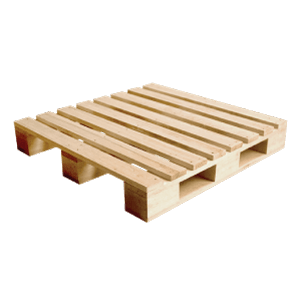



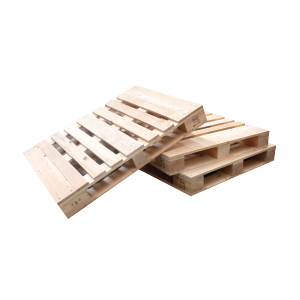

EPAL pallets are designed for repeated use within logistics and warehouse operations, making proper maintenance an important part of managing pallet inventory. Maintaining EPAL pallets correctly can help preserve their usable condition, support safe handling, and reduce unnecessary replacement requirements over time.
For warehouse and operations teams, pallet maintenance should not only happen when visible damage appears. A consistent maintenance routine allows teams to identify potential problems earlier and make informed decisions about whether a pallet should remain in circulation, be repaired, or be replaced.
Proper care is particularly relevant when pallets operate within an EPAL pooling or exchange system. A damaged pallet may no longer be accepted within the system, meaning that poor maintenance can affect both operational usability and the value of the pallet.
Also read “How EPAL Pallet Specifications Impact International Trade in Malaysia”

Why EPAL Pallet Maintenance Is Often Overlooked
EPAL pallets are designed for reuse, so businesses may assume that their durability means they require little ongoing attention. In practice, the lifespan of a reusable pallet still depends on how it is stored, handled, inspected, and maintained throughout its operational use.
Warehouse activities can expose pallets to repeated loading, unloading, stacking, and forklift handling. Over time, these activities can contribute to cracks, damaged boards, loose fasteners, or other conditions that affect whether a pallet remains suitable for use.
A damaged pallet can also create problems within an EPAL pooling or exchange system. If its condition no longer meets the required criteria, the pallet may be rejected rather than continuing through the normal circulation process.
This makes regular inspection particularly important for businesses managing a large pallet inventory. Identifying damaged pallets before they enter another handling or exchange cycle gives warehouse teams an opportunity to separate them for further assessment.
Maintenance can also support better cost control over the long term. Keeping reusable pallets in suitable condition can reduce the frequency with which usable pallets need to be replaced simply because their condition was not monitored properly.
How to Store EPAL Pallets Correctly
Storage conditions have a direct role in maintaining the physical condition of wooden pallets. A suitable storage routine should protect pallets from unnecessary environmental exposure while also preventing poor stacking practices from placing additional stress on the pallet structure.
Storage Conditions That Avoid Excess Moisture
EPAL pallets should be stored in conditions that minimize unnecessary exposure to moisture. Excess moisture can affect wooden components over time, so pallets should be kept in an appropriate storage area rather than being left exposed to uncontrolled weather conditions.
A dry and adequately ventilated storage environment can help limit moisture buildup around stored pallets. Warehouse teams should also consider the condition of the storage area itself, particularly when pallets are kept for extended periods before their next use.
Outdoor storage requires particular attention because pallets may be exposed to rain and changing weather conditions. If outdoor storage cannot be avoided, appropriate weather protection should be considered to reduce unnecessary exposure.
Stacking Methods That Do Not Overload the Structure
EPAL pallets are often stored in stacks to make efficient use of warehouse space. However, stacking practices should not place excessive load or pressure on the pallet structure.
Warehouse teams should establish stacking procedures that are appropriate for their pallet inventory and storage configuration. The goal is to keep pallets organized without creating conditions that could contribute to structural damage or make individual pallets difficult to access safely.
Pallets should also be positioned consistently during storage rather than stacked in ways that create uneven pressure. Good stacking discipline forms an important part of an EPAL pallet maintenance guide because storage itself can influence the condition of reusable pallets.
Rotate Usage to Avoid Uneven Wear
When a warehouse has a large number of EPAL pallets, some pallets may be used more frequently than others if there is no systematic rotation. Repeatedly using the same pallets can contribute to uneven wear across the inventory.
A simple rotation system can help distribute usage more consistently across suitable pallets. This approach allows warehouse teams to monitor the condition of their inventory while reducing the possibility that a small group of pallets receives disproportionate handling.
Rotation should still be combined with condition checks because not every pallet will have the same service history. A pallet showing structural damage should be removed from normal circulation regardless of where it falls within the usage rotation.
Also read “EPAL Wooden Pallets: The Best Solution for Shipping Commodities to Europe“
How to Inspect EPAL Pallet Condition Regularly
Regular inspection is one of the most practical EPAL pallet care tips for warehouse operations. Inspections should focus on the physical components of the pallet as well as identifying whether its EPAL identification remains clearly verifiable.
Check Boards and Wood Blocks
Start by checking the pallet boards and wood blocks for visible cracks, splits, breaks, or other signs of damage. These components form part of the pallet’s supporting structure, so visible damage should be assessed before the pallet is returned to service.
The inspection should cover the entire pallet rather than focusing only on the top surface. Checking both the boards and blocks gives the warehouse team a more complete view of the pallet’s physical condition.
Check Nails and Fasteners
Nails and other fasteners should remain secure and properly positioned within the pallet structure. Loose or damaged fasteners can indicate that the pallet requires further assessment before being used again.
Warehouse teams should pay attention to any components that appear displaced or insufficiently secured during inspection. Early identification of these issues can help prevent a damaged pallet from continuing through normal handling operations.
Verify the EPAL Stamp
The EPAL stamp should remain clearly legible and verifiable. This is particularly important when pallets are being managed within an EPAL pooling or exchange environment.
A clearly identifiable stamp helps distinguish the pallet’s status from a pallet that merely has similar dimensions or construction. If the stamp can no longer be verified or read clearly, the pallet should be assessed according to the applicable requirements before continued use.
Common Mistakes That Speed Up EPAL Pallet Damage
Some pallet damage results not from normal use alone but from avoidable handling and storage practices. Identifying these common mistakes can help warehouse teams build better procedures around maintaining EPAL pallets.
One common mistake is storing pallets outdoors without adequate weather protection. Prolonged exposure to environmental conditions can contribute to deterioration, so pallets should be stored in a way that limits unnecessary exposure whenever possible.
Another issue is loading pallets beyond their recommended weight capacity. Exceeding the appropriate load can place excessive stress on the pallet structure and increase the risk of damage during storage or handling.
Improper forklift handling can also contribute to pallet damage. Forklift operators should use appropriate handling procedures and avoid actions that unnecessarily impact or stress the pallet during movement.
These issues can become more significant when repeated across a large warehouse operation. Establishing clear handling and storage procedures can therefore support a more consistent approach to pallet care across the entire inventory.
Also read “The Right Choice of Using EPAL Pallets in Singapore for Export”
When to Replace Rather Than Repair an EPAL Pallet
Not every damaged pallet should automatically be repaired and returned to service. Warehouse teams should consider replacement when damage affects the pallet’s structural ability to support its intended load.
A pallet with structural damage that affects load capacity should be removed from normal use until its condition has been properly assessed. Continuing to use a pallet despite significant structural damage can create additional operational risks.
The condition of the EPAL stamp is another factor to consider. If the stamp is no longer verifiable or legible, the pallet may require further evaluation before it can continue within the relevant EPAL system.
Repair economics should also be considered when deciding whether a pallet should remain in circulation. When repair costs approach or exceed the cost of obtaining a new pallet, replacement may be the more practical option for managing the inventory.
This does not mean every damaged pallet needs to be discarded immediately. The decision should be based on the severity of the damage, the pallet’s intended use, its identifiable status, and the cost of restoring it to a suitable condition.
Final Thoughts: Regular Care Reduces Long-Term Costs
Proper maintenance can help extend the usable lifespan of EPAL pallets and support more consistent warehouse operations. Storage practices, regular inspections, controlled handling, and appropriate replacement decisions should all form part of a structured pallet maintenance routine.
Warehouse teams should inspect pallet condition regularly rather than waiting until obvious damage appears. Early identification allows damaged pallets to be separated from usable inventory and assessed before they enter another handling or exchange cycle.
It is equally important to recognize when repair is no longer the appropriate solution. Structural damage, an unverifiable EPAL stamp, or repair costs that approach the cost of replacement are all reasons to evaluate whether a pallet should be replaced instead.
For businesses managing reusable EPAL pallets, consistent maintenance is ultimately an inventory management practice as much as a pallet-care activity. If you need replacement pallets or want to discuss your EPAL pallet requirements, BMR Pallets can help you evaluate the appropriate option for your operation.come.
For more information, contact us at 0818 309 844 or click here!


