





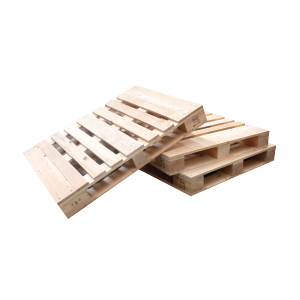

When preparing goods for export to Malaysia, pallet selection should be considered alongside the requirements for cargo handling, customs clearance, and receiving operations. Understanding EPAL pallet specifications Malaysia can help export and purchasing teams prepare pallets that are aligned with the shipment requirements before the cargo leaves the origin country.
Malaysia is an important destination for regional trade, and shipments entering the country may pass through customs and quarantine inspection processes. Because pallet specifications and supporting documentation can affect how cargo is handled at these stages, confirming requirements before shipment can help reduce avoidable issues.
EPAL pallets are widely recognized within international logistics and can provide a standardized format for businesses moving goods across borders. However, using an EPAL pallet does not remove the need to verify the specific requirements of the Malaysian importer, logistics provider, and relevant authorities.
Also read “Leading Wood Pallet Supplier in Malaysia”
Why Pallet Specifications Deserve Extra Attention When Exporting to Malaysia
Pallets used for international shipments are part of the packaging configuration and may therefore be subject to requirements related to imported goods. Malaysia has its own quarantine and customs procedures, so exporters should confirm the applicable requirements before preparing palletized cargo.
A pallet that does not match the expected specification can create additional questions during inspection or receiving. In some cases, differences in dimensions, certification, condition, or documentation may require clarification before the shipment can proceed through the relevant process.
Geographic proximity between Indonesia and Malaysia can make the shipping route relatively straightforward, but proximity does not mean that export requirements can be overlooked. Exporters still need to prepare pallets and documents according to the requirements applicable to the destination and the specific shipment.
This is particularly important for businesses that regularly ship goods to Malaysian customers. Establishing a clear pallet specification before production and coordinating it with the receiving party can help prevent last-minute changes.
For this reason, pallet selection should happen during shipment planning rather than after the cargo has already been prepared. A clear understanding of the pallet requirements gives purchasing and export teams time to verify dimensions, certification, availability, and documentation.
Recognized Pallet Standards for Exporting to Malaysia
Exporters considering an EPAL export requirements Malaysia checklist should begin by separating three related considerations: treatment and certification, pallet standards, and the specifications requested by the importer. These elements should be confirmed before the shipment is dispatched because meeting one requirement does not automatically confirm that every other requirement has been satisfied.
ISPM 15 Requirements That Apply in Malaysia
Wood packaging used in international trade may be subject to phytosanitary requirements designed to reduce the risk of introducing pests through untreated wood packaging. For exporters using wooden pallets, confirming the applicable ISPM 15 treatment and certification requirements is therefore an important part of preparing an international shipment.
The relevant treatment and documentation should be confirmed with the pallet supplier before the pallets are used. Exporters should also verify that the certification or marking associated with the pallets can be properly identified during inspection.
ISPM 15 compliance should not be assumed simply because a pallet is made by an experienced manufacturer. The exporter should confirm that the specific pallets supplied for the shipment have undergone the required process and that the relevant documentation is available.
This is especially important when the shipment is prepared several weeks before departure. Confirming the requirement during procurement gives the export team an opportunity to address any documentation or treatment questions before the cargo reaches the port.
EPAL Standard Acceptance in Malaysian Logistics Practice
EPAL pallets provide a standardized pallet format that can be useful when goods move through different logistics environments. A familiar specification can simplify communication between the exporter, freight forwarder, warehouse, and receiving party.
For Malaysia-bound shipments, however, exporters should confirm whether the Malaysian importer specifically requests EPAL pallets or another pallet format. The fact that a pallet follows an EPAL specification does not mean that it automatically satisfies every individual requirement set by a customer or logistics operation.
This distinction is important when the receiving warehouse has an established pallet-handling system. Compatibility with existing warehouse and distribution processes can influence whether an EPAL pallet is the appropriate choice for the shipment.
Exporters should therefore ask the receiving party for its pallet requirements before placing the order. Confirming this information early can help ensure that pallet dimensions, construction, certification, and handling characteristics match the receiving operation.
Common Dimension and Specification Requests From Malaysian Importers
Pallet dimensions are one of the first specifications that should be confirmed with the Malaysian importer. Standardized dimensions can help the receiving party plan warehouse storage, handling, and distribution activities more efficiently.
The importer may also have requirements related to load capacity, pallet construction, wood treatment, or certification. These requirements can vary depending on the cargo, warehouse system, transportation method, and intended use of the pallet.
Exporters should avoid assuming that a standard pallet dimension will automatically fit every shipment. Instead, the requested dimensions should be documented and communicated clearly to the pallet supplier before manufacturing or purchasing.
Why EPAL Is a Strong Fit for Malaysia-Bound Exports
EPAL can be a practical option for Malaysia-bound shipments when its standardized format aligns with the requirements of the cargo and receiving operation. Its established format can make coordination easier when goods move between different logistics partners during the international shipping process.
The geographic proximity of Malaysia to other Southeast Asian markets can also be relevant for businesses with regional distribution plans. A pallet format that works within one logistics network may provide continuity when goods are subsequently distributed to other locations, provided the receiving markets and partners accept the same specification.
Compatibility with warehouse and distribution systems is another consideration. If the Malaysian receiving facility already handles EPAL pallets or operates with compatible equipment and procedures, using a familiar pallet format may simplify the receiving process.
This does not mean that EPAL should automatically be selected for every Malaysia-bound shipment. The final decision should still be based on the importer’s requirements, cargo characteristics, handling system, destination regulations, and the applicable pallet certification.
For businesses planning further distribution within ASEAN, discussing the pallet format with logistics partners at an early stage can also be useful. This allows the exporter to identify whether the same pallet configuration can support subsequent transportation and warehouse handling requirements.
Also read “Why Top Singaporean and Malaysian Exporters Choose BMR-Pallet”
Documents and Requirements to Prepare
Preparing the correct documentation is an important part of EPAL trade compliance Malaysia planning. The export team should identify the required pallet certifications and supporting documents before the shipment is released for transportation.
Valid ISPM 15 and EPAL Certification
Where applicable, exporters should confirm that the pallets have valid ISPM 15 treatment and the required certification or marking. If the shipment specifically requires an EPAL-certified pallet, the exporter should also verify that the pallet is officially certified rather than simply manufactured to a similar size.
These details should be confirmed directly with the pallet supplier. Keeping the relevant certification information available can make it easier to respond to questions during shipment preparation or inspection.
Supporting Documents for Malaysian Customs Requirements
Pallet certification is only one part of the shipment documentation process. Exporters should also prepare the supporting documents required by the applicable Malaysian customs procedures and the nature of the goods being imported.
The exact documentation can depend on the shipment and destination requirements. For this reason, the export team should coordinate with its customs representative, freight forwarder, and Malaysian receiving party rather than relying on a general pallet checklist alone.
Coordination With the Receiving Party
The receiving party can provide valuable information about the pallet specification expected at destination. Before ordering pallets, exporters should confirm the required dimensions, certification, load capacity, and any warehouse-specific handling requirements.
This coordination is particularly useful when the Malaysian importer operates a standardized warehouse or distribution system. Confirming the requirements before production reduces the risk of receiving pallets that technically function but do not match the customer’s operational expectations.
Common Mistakes When Exporting Pallets to Malaysia
One common mistake is assuming that Malaysia’s geographic proximity means pallet requirements are less demanding. International shipments still need to meet the applicable destination requirements regardless of how short or familiar the shipping route may be.
Another mistake is preparing incomplete documentation and only checking it when the cargo reaches an inspection point. Exporters should verify certification and supporting documents during the preparation stage so that potential issues can be addressed before the shipment is dispatched.
A third mistake is ordering pallets without confirming the Malaysian importer’s requested specifications. A pallet may be structurally suitable for the cargo but still create operational problems if its dimensions, certification, or construction do not match the receiving party’s requirements.
These mistakes can often be reduced through early communication between purchasing, export, logistics, and the receiving customer. Establishing one confirmed pallet specification before ordering gives all parties a common reference for the shipment.
It is also useful to document the agreed specification rather than relying on verbal instructions. Written confirmation can help purchasing teams communicate the exact requirements to the pallet supplier and provide a reference if questions arise later in the shipping process.
Final Thoughts: Proximity Doesn’t Reduce the Need for Compliance

Malaysia’s geographic proximity to other Southeast Asian markets can support efficient regional logistics, but it does not remove the need for careful pallet specification and compliance. Exporters should still verify the pallet requirements, applicable certification, supporting documentation, and destination-specific conditions before shipping.
EPAL can be a suitable option when its standardized format is compatible with the Malaysian importer’s warehouse and distribution requirements. Its established specification can also provide a familiar reference point when exporters coordinate shipments with logistics providers and receiving facilities.
However, the most appropriate pallet should always be determined from the requirements of the individual shipment. Cargo characteristics, pallet dimensions, load capacity, handling methods, certification, and destination requirements should all be considered before the pallet is ordered.
For exporters preparing shipments to Malaysia, early coordination is one of the simplest ways to reduce specification-related issues. Confirming requirements with the receiving party and pallet supplier before production allows the export team to address potential differences while there is still time to make adjustments.
Before dispatch, verify that the pallet certification and supporting documentation are complete and that the pallets match the specification agreed with the Malaysian importer. This preparation can help the shipment move through the logistics process with fewer avoidable specification issues.
If you are preparing an export shipment to Malaysia and need help determining the appropriate EPAL pallet specification, BMR Pallets can discuss your cargo and shipping requirements with you. Contact BMR’s team to review your pallet needs and determine the specifications that should be confirmed before ordering.


