
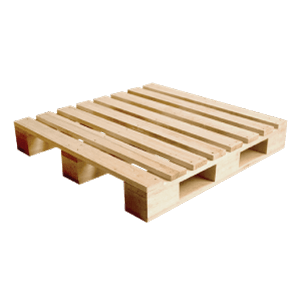


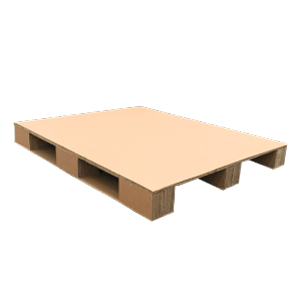

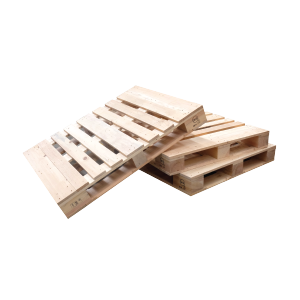

Pallet dimensions are the length, width and height of a pallet. There is no single world size: ISO 6780 recognises six standard pallet footprints, and each region prefers a different one. The most common are 1200 × 800 mm (Euro/EPAL), 1200 × 1000 mm (UK and much of Asia), 48 × 40 in / 1219 × 1016 mm (North America), 1100 × 1100 mm (Japan, Korea, Taiwan) and 1165 × 1165 mm (Australia). This guide shows the standard sizes by region, how to measure a pallet, and how to choose the right size for your cargo and container.
Why pallet dimensions matter
The pallet footprint decides how many units fit in a truck, container or warehouse rack. The wrong size wastes container space, raises freight cost per unit, and can cause overhang that damages goods. Pallet size must also match the equipment that handles it: forklifts, pallet jacks, conveyors and automated racking are built around specific dimensions. In export, some importers and retailers only accept certain sizes, so using the destination’s standard avoids repacking or rejection at the receiving warehouse.
The 6 ISO standard pallet sizes (ISO 6780)
| Size (mm) | Size (in) | Main region |
|---|---|---|
| 1200 × 800 | 47.24 × 31.50 | Europe (EUR / EPAL) |
| 1200 × 1000 | 47.24 × 39.37 | Europe, UK, Asia |
| 1219 × 1016 | 48.00 × 40.00 | North America |
| 1165 × 1165 | 45.87 × 45.87 | Australia |
| 1100 × 1100 | 43.30 × 43.30 | Japan, Korea, Taiwan |
| 1067 × 1067 | 42.00 × 42.00 | North America, Europe, Asia |
Pallet height is not fixed by ISO 6780. It depends on the design (stringer or block, deck board thickness); a Euro pallet, for example, is 144 mm high.
Common pallet sizes by country
- Europe: 1200 × 800 mm (EUR 1 / EPAL) is the dominant size; 1200 × 1000 mm (EUR 2) is also used. See our EPAL Euro pallet guide for full specifications.
- United Kingdom: 1200 × 1000 mm is the usual standard pallet.
- USA and Canada: 48 × 40 in (1219 × 1016 mm) is the most common; 42 × 42 in (1067 × 1067 mm) is used in some sectors.
- Japan, South Korea, Taiwan: 1100 × 1100 mm (often called the T11 pallet); Taiwan also uses 1200 × 1100 mm.
- China: 1200 × 1000 mm and 1200 × 800 mm are the most widespread, with 1219 × 1016 mm for US-bound cargo.
- Singapore and Thailand: mixed use of 1200 × 1000 mm, 1100 × 1100 mm and 1200 × 800 mm, depending on the trade lane.
- Australia: 1165 × 1165 mm, sized for Australian rail containers. Read more in export pallet dimensions for Australia.
- Indonesia: 1100 × 1100 mm and 1200 × 1000 mm are the sizes we produce most for domestic and export use, alongside many custom sizes.
How to measure pallet dimensions
- Length: measure along the stringers or the bottom boards (the side the forks usually enter on a 2-way pallet). By convention the length is written first.
- Width: measure the top deck boards from edge to edge, at a right angle to the length.
- Height: measure from the floor to the top of the deck, including the blocks or stringers.
- Check the fork entry opening and whether the pallet is 2-way or 4-way, because this affects which equipment can lift it.
Always measure in millimetres for export documents, and confirm the size with your buyer or forwarder before production.
How to choose the right pallet size
- Destination standard: use the size the receiving country or customer works with, especially for automated warehouses.
- Product footprint and weight: the load should cover the deck without overhanging the edges. Heavy loads such as machinery need thicker boards, more blocks and closer board spacing rather than simply a bigger pallet.
- Container fit: compare how many pallets fit on the floor of a 20 ft or 40 ft container. For example, a 20 ft container takes about 11 Euro pallets (1200 × 800) or 10 pallets of 1200 × 1000 mm in a single layer.
- Handling equipment: check fork spacing, pallet jack width and rack beam depth at both ends of the supply chain.
Standard vs custom pallet sizes
Standard sizes are cheaper and easier to reuse, exchange and rack. A custom size wood pallet makes sense when your product has an unusual footprint, when you need to maximise a specific container layout, or when a load is too heavy or fragile for a standard design. Common industry choices include 1100 × 1100 mm for food and beverage exports to Asia, 1200 × 800 mm for European distribution, and 1200 × 1200 mm for automotive parts and engines.
Every export pallet size must meet ISPM 15
Whatever the dimensions, solid wood pallets used in international shipping must comply with ISPM 15: the wood is heat-treated to a core temperature of at least 56 °C for 30 minutes and stamped with the IPPC mark. BMR Pallets is a registered ISPM 15 treatment provider in Indonesia (IPPC registration 112 and 135), so every export pallet we make carries the HT mark. Learn more about our ISPM 15 certification.
Order wooden pallets in any size from BMR
Since 2009, PT Bumi Mandiri Resources (BMR Pallets) has produced wooden pallets in all ISO sizes and custom dimensions at three factories in Karawang, Gresik and Boyolali, and exports to 7+ countries across Southeast Asia and Japan. Tell us your product size, weight and destination, and our team will recommend the right pallet dimensions. Contact us for a quote.

