




Choosing the Right Pallet for Industrial Operations
Wooden Pallets for Sale — Pallets are an essential component of modern logistics systems. From warehousing and material handling to product distribution and international exports, pallets help companies improve the efficiency and organization of their operations.
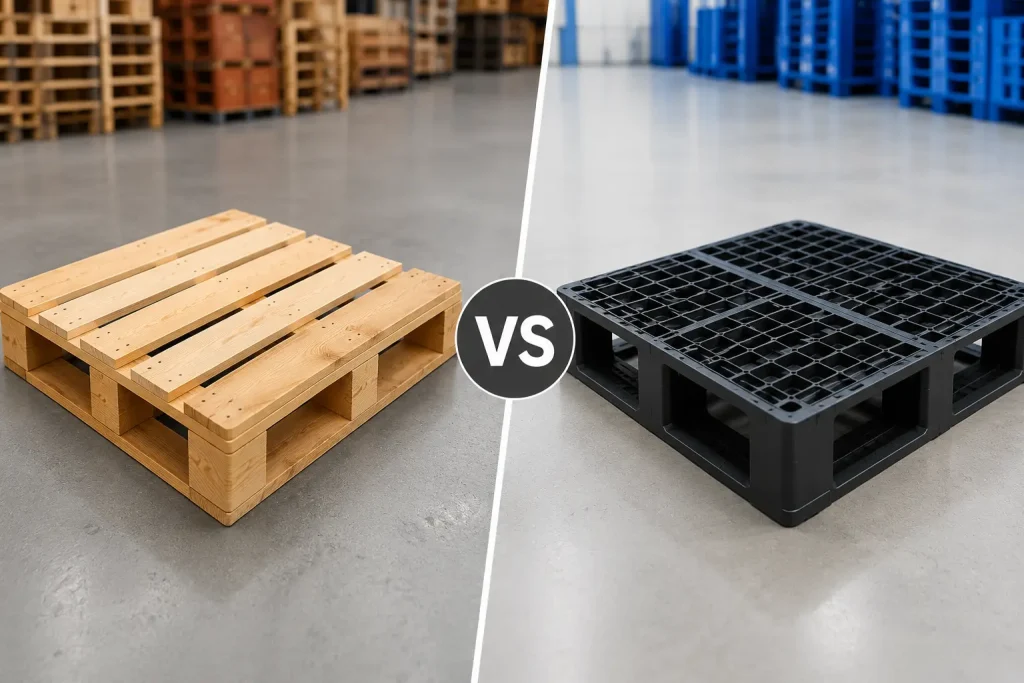
However, choosing the right type of pallet is not always straightforward. Many companies have to decide between wooden pallets and plastic pallets. Each option has different characteristics, advantages, limitations, and ideal applications.
Understanding these differences can help companies select a pallet solution that matches their operational requirements.
Read Also: ISPM 15 Wooden Pallets
Understanding Wooden and Plastic Pallets
Wooden Pallets
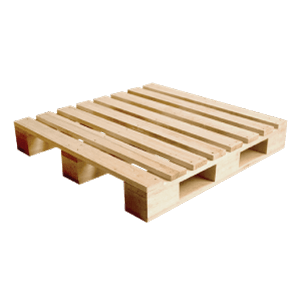
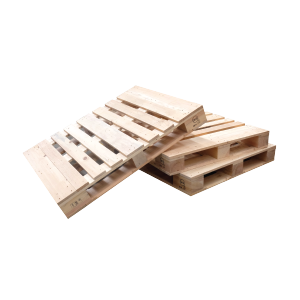
Wooden pallets are among the most widely used pallet types across industrial sectors. Wood provides a combination of strength, flexibility, repairability, and relatively accessible pricing compared with many alternative pallet materials.
Wooden pallets can also be manufactured in a wide range of dimensions and structural configurations. This makes them suitable for manufacturing, warehousing, logistics, distribution, and international export applications.
For companies requiring customized pallet dimensions or load specifications, wooden pallets can offer significant design flexibility.
Plastic Pallets
Plastic pallets are typically manufactured from materials such as HDPE (high-density polyethylene) or polypropylene using molding processes.
They are designed to provide resistance to moisture and, depending on the material, certain chemicals and demanding working environments. Because plastic does not absorb water in the same way as wood, plastic pallets are often used in applications where cleaning and hygiene are important.
They are commonly found in industries such as food and beverage, pharmaceuticals, chemicals, and other operations with strict sanitation requirements.
Wooden Pallets vs. Plastic Pallets: Key Differences
Initial Investment
Wooden Pallets
Wooden pallets generally have a lower initial purchase cost than plastic pallets. This is one of the main reasons they remain widely used for everyday industrial and logistics operations.
The relatively lower unit cost also allows companies to purchase larger quantities without requiring the same level of initial investment as a comparable plastic pallet system.
In addition, damaged wooden pallets can often be repaired by replacing individual boards or components rather than replacing the entire pallet.
Plastic Pallets
Plastic pallets generally require a higher initial investment because they are manufactured using molded designs and specialized polymer materials.
Although the initial cost is higher, plastic pallets can provide long service life in certain applications, particularly in closed-loop logistics systems where pallets are repeatedly collected, returned, and reused.
The economic value of plastic pallets therefore depends heavily on the operating model and frequency of reuse.
Load Capacity
Wooden Pallets
Wooden pallets can provide strong load-bearing performance and are widely used for industrial materials, heavy products, and demanding logistics applications.
One of their key advantages is the ability to customize the structure according to the required load capacity. Board thickness, wood species, component dimensions, and pallet construction can all be adjusted to meet specific requirements.
This makes wooden pallets suitable for applications where pallet strength and customization are important considerations.
Plastic Pallets
The load capacity of plastic pallets depends on the material, structural design, pallet dimensions, and whether the pallet is being used dynamically, statically, or in a racking system.
Some heavy-duty plastic pallets are engineered for high loads and modern warehouse racking systems.
However, achieving a high load capacity with plastic may require a more specialized and higher-cost pallet design compared with a wooden pallet designed for a similar application.
Read Also: Latest Wooden Pallet Prices
Ease of Repair
Wooden Pallets
One of the major advantages of wooden pallets is their repairability.
If a board or individual component becomes damaged, it can often be replaced without discarding the entire pallet. This can extend the pallet’s service life and reduce replacement costs.
For companies operating large pallet fleets, repairability can be an important factor when evaluating the total cost of ownership.
Plastic Pallets
Plastic pallets are generally more difficult to repair when they develop major cracks or structural damage.
In many cases, a severely damaged plastic pallet needs to be replaced rather than repaired. This can increase replacement costs in operations where pallets are exposed to frequent impacts or rough handling.
Cleanliness and Hygiene
Wooden Pallets
Wooden pallets can be used across many industries, but they require appropriate storage and handling practices, particularly in environments exposed to moisture.
Prolonged exposure to moisture can affect the condition of wooden pallets if they are not properly stored and maintained.
Nevertheless, when appropriately manufactured, stored, and handled, wooden pallets remain an effective solution for a wide range of industrial and logistics applications.
Plastic Pallets
Plastic pallets offer advantages in applications where cleanliness and hygiene are major considerations.
They do not absorb water like wood and can generally be cleaned more easily. This makes them suitable for food and beverage production, pharmaceutical facilities, and other environments where sanitation requirements are stringent.
Plastic pallets also perform well in humid environments where moisture resistance is important.
Export Requirements
Wooden Pallets
For international exports, wooden pallets and other regulated solid wood packaging materials may need to comply with ISPM 15 requirements, depending on the destination country and applicable regulations.
The purpose of ISPM 15 is to reduce the risk of introducing and spreading wood pests through international trade.
Although wooden pallets may require an approved treatment and appropriate marking, they remain widely used for international shipments because they offer a combination of strength, flexibility, and cost efficiency.
ISPM 15 Wooden Pallets are therefore an important option for exporters using wood packaging materials.
Plastic Pallets
Plastic pallets are not subject to ISPM 15 requirements because they are not made from regulated solid wood packaging material.
This can simplify phytosanitary considerations when shipping internationally.
However, plastic pallets typically have a higher initial purchase cost, which can be an important consideration for companies using one-way export shipments or large pallet volumes.
Size and Design Flexibility
Wooden Pallets
Wooden pallets offer a high level of customization. Companies can specify pallet dimensions, load capacity, deck configuration, entry points, and structural components according to their products and warehouse systems.
This flexibility makes wooden pallets particularly suitable for manufacturing operations and specialized projects where standard pallet dimensions may not be sufficient.
Plastic Pallets
Plastic pallets are commonly manufactured using fixed molds, which means standard sizes and designs are more prevalent.
Although customized plastic pallets are available, developing a new mold can involve significant tooling costs. As a result, custom plastic pallet designs may not always be economical for smaller volumes or specialized applications.
When Should You Use Wooden Pallets?
Wooden pallets can be a practical choice when a company requires a combination of cost efficiency, strength, customization, and repairability.
They are widely suitable for:
- Manufacturing
- Warehousing
- General logistics
- Industrial materials
- Distribution
- International exports
- One-way shipments
- Customized pallet applications
For export applications involving regulated wood packaging, the pallet should meet the applicable ISPM 15 requirements for the destination market.
When Should You Use Plastic Pallets?
Plastic pallets can be suitable for operations where hygiene, moisture resistance, cleanability, and dimensional consistency are major priorities.
They are commonly considered for:
- Food and beverage
- Pharmaceuticals
- Chemical handling
- Clean manufacturing environments
- Humid operating conditions
- Closed-loop distribution systems
- Reusable pallet programs
Plastic pallets can be particularly effective when the same pallets are continuously circulated within a controlled logistics network.
Conclusion
There is no single pallet material that is suitable for every industrial application. The right choice depends on factors such as product characteristics, load requirements, handling systems, warehouse conditions, distribution model, export requirements, and total cost of ownership.
Wooden pallets offer advantages in areas such as cost efficiency, structural customization, and repairability. Plastic pallets can provide advantages in applications where hygiene, moisture resistance, cleanability, and repeated reuse are important.
Before selecting a pallet system, companies should evaluate their operational requirements as a whole.
For businesses looking for wooden pallets for industrial, warehouse, logistics, or export applications, BMR Pallets provides customized wooden pallet solutions designed around specific product and handling requirements.

