
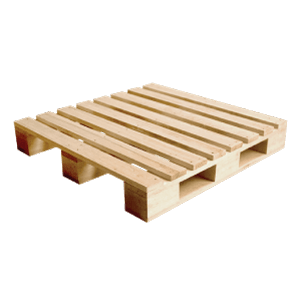


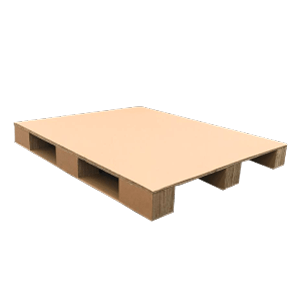

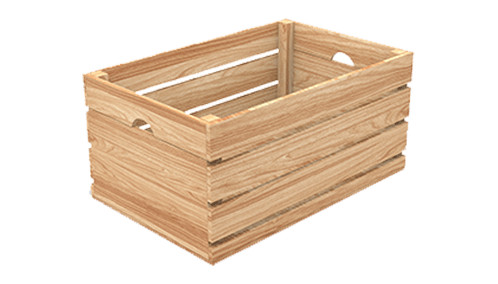
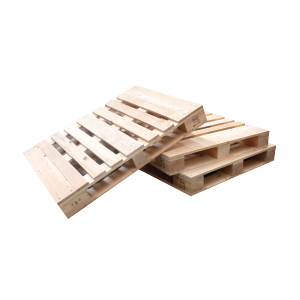

When you are looking for a wood pallet for sale, price is naturally one of the factors to consider, but it should not be the only one. For export shipments, pallet quality, certification, production consistency, and supplier capacity can have a direct impact on how reliably your packaging supports the shipment.
A low-priced pallet may appear attractive during the initial purchasing process, but the unit price does not tell the entire story. If the pallet does not meet the required certification, specifications, or production standards, the resulting issues can create additional operational costs.
For Purchasing Managers and Procurement Officers, the more important question is therefore not simply how cheap the pallet is. The better question is whether the supplier can consistently provide pallets that meet your requirements, support your order volume, and are ready for the intended shipping application.
Read Also Reliable Shipping Made Easy with Wood Pallet Box from BMR Pallets
Why “Affordable” Isn’t the Right Reason to Choose a Pallet Supplier
Price alone does not guarantee that a pallet will meet the requirements of an export shipment. When purchasing pallets for international logistics, certification and consistent production quality should be evaluated alongside the quoted price.
The cheapest quotation can sometimes reflect differences in what is included in the product or service. Before selecting a supplier, buyers should confirm the material specification, certification, production quality, quantity, and other requirements that form the basis of the quotation.
This is particularly important when pallets are used for export shipments. A pallet that does not have the required certification or does not consistently meet the agreed specification can create problems that are more costly than the initial price difference.
A reliable supplier should therefore be able to explain what you are purchasing and how the pallets are produced. Clear information about certification, production processes, capacity, and lead time gives procurement teams a stronger basis for making a purchasing decision.
For businesses ordering pallets repeatedly, consistency becomes even more important. Receiving pallets that vary from one batch to another can make warehouse and logistics planning more difficult, particularly when the pallets are being used for standardized shipping operations.
The objective should be to purchase pallets that provide predictable quality and meet the requirements agreed with the supplier. In other words, when evaluating a wood pallet for sale, reliability should be considered as part of the overall purchasing value.
What to Actually Look for When Buying Wood Pallets
Choosing the right pallet supplier requires more than comparing unit prices between different manufacturers. Buyers should evaluate certification, production consistency, and the supplier’s ability to support the required volume before placing an order.
Verified ISPM 15 and Export Certification
For export applications, certification is one of the first factors that should be confirmed with the supplier. Buyers should verify that the pallets meet the applicable ISPM 15 requirements and request the relevant certification documentation before ordering.
Having certification information available provides a clearer basis for evaluating whether the pallets are appropriate for the intended export shipment. It also allows the purchasing team to address documentation questions before the pallets are delivered.
Buyers should avoid assuming that every wooden pallet is automatically suitable for international shipping. The supplier should be able to confirm the treatment and certification applicable to the pallets being supplied for the order.
For procurement teams, this verification should happen before the purchase is finalized rather than after production has already started. Confirming the requirements early helps ensure that the product being quoted matches the requirements of the shipment.
Consistent Production Quality Across Every Batch
Consistency is another important consideration when choosing a certified wood pallet supplier. A supplier should be able to produce pallets according to the agreed specifications across routine and repeat orders.
Consistent production helps buyers maintain predictable pallet quality across their operations. This can be particularly important for businesses that use pallets regularly and need the same basic specifications for recurring shipments.
When evaluating a supplier, buyers can ask how production quality is controlled and whether manufacturing is handled directly by the supplier. Understanding the production process gives procurement teams more information than simply reviewing a product photograph or quoted unit price.
The agreed specifications should also be clearly communicated before production begins. This gives both the buyer and supplier a common reference for dimensions, construction, certification, quantity, and other relevant requirements.
Production Capacity That Can Support Your Volume Needs
Supplier capacity matters when an order involves large quantities or a fixed shipping schedule. A supplier may offer a suitable product but still be unable to support the required volume within the buyer’s timeline.
Before placing an order, discuss the expected quantity and delivery schedule with the supplier. This allows the supplier to confirm whether its production capacity can support the order and whether the requested lead time is realistic.
Capacity is particularly relevant for businesses that require both routine orders and occasional large-volume purchases. Having a supplier capable of supporting different order sizes can simplify procurement planning and reduce the need to find a new manufacturer when demand increases.
What Sets BMR’s Wood Pallets Apart
BMR’s wood pallet production is supported by three in-house facilities, rather than being outsourced to third parties. This production structure gives BMR direct control over the manufacturing process described in the brief and supports its positioning around quality and production capacity.
BMR also states that its pallets are fully ISPM 15 certified through its own kiln-dry process. For buyers preparing export shipments, this provides a clear production and certification point to discuss with the supplier before ordering.
The ability to manage production in-house is also relevant when consistency is an important purchasing requirement. Instead of relying entirely on external production partners, BMR’s stated model allows the company to manage pallet manufacturing across its own facilities.
Production capacity is another part of BMR’s offering. According to the brief, its facilities are positioned to support both routine orders and large-volume requirements, making capacity an important consideration for buyers with different purchasing volumes.
For procurement teams, these factors provide practical points to evaluate when comparing BMR with other suppliers. Rather than focusing solely on the price of an individual pallet, buyers can assess certification, production control, and the supplier’s ability to support their required volume.
How to Get the Right Pallets for Your Shipment
The purchasing process becomes more efficient when the supplier receives complete information before preparing a quotation. Buyers should provide their specifications, volume requirements, certification needs, and timeline as early as possible.
Share Your Specifications and Volume Needs Upfront
Start by explaining the requirements of the shipment and the pallets needed to support it. Important information can include pallet dimensions, required quantity, intended application, cargo requirements, and whether the pallets will be used for export.
Providing the expected volume is equally important because production requirements can differ between a routine order and a large-volume purchase. With both specifications and quantity available, the supplier can prepare a quotation based on the actual requirements rather than assumptions.
Request Certification Documentation Before Ordering
Certification should be discussed before the order is confirmed. Ask the supplier to provide the relevant ISPM 15 and export certification information so your procurement team can verify the requirements applicable to the shipment.
This step can also clarify what is included in the supplier’s quotation. Addressing certification questions during the purchasing stage is more practical than discovering documentation requirements after the pallets have already been manufactured.
Ask About Lead Time Based on Your Actual Timeline
Lead time should be discussed according to the date when the pallets are actually required. Instead of asking only whether the supplier can provide the requested quantity, give the supplier your intended delivery or shipment timeline.
This allows the supplier to evaluate the order against its production schedule and available capacity. It also gives the purchasing team a clearer basis for coordinating pallet delivery with cargo preparation and export arrangements.
Making a Decision Based on Value, Not Just Price
A purchasing decision should consider the total cost of obtaining and using the pallets rather than focusing only on the unit price. This approach allows procurement teams to consider certification, reliability, consistency, and production capacity alongside the initial purchase cost.
A slightly higher price can represent better value when it includes the certification, quality consistency, and reliability required for the shipment. By contrast, a lower quotation may require additional attention if important requirements are unclear or excluded.
Buyers should therefore compare quotations using the same specifications. If one supplier is quoting a certified pallet produced to a specific specification while another is quoting a different configuration, the two unit prices are not directly comparable.
Total cost of ownership is another useful consideration for recurring pallet purchases. Buyers should evaluate how the pallet’s quality, intended use, certification, and expected operational requirements affect the overall cost rather than judging the purchase from the initial number alone.
Reliability should also be considered when the pallet is part of a scheduled export process. A supplier that can consistently meet agreed specifications and support the required volume can provide value beyond the individual price of each pallet.
For this reason, procurement teams should balance cost with the factors that determine whether the pallet can reliably support the shipment. The goal is not simply to find the lowest quotation, but to select a supplier whose product and production capabilities match the actual requirements.
Final Thoughts: Choose Reliability, Not Just the Lowest Price
Choosing a pallet supplier should involve more than finding the lowest price available. For export applications, certification, production consistency, capacity, specifications, and lead time all form part of a reliable purchasing decision.
A wood pallet for sale should therefore be evaluated according to what the supplier can consistently deliver. Buyers should confirm the required certification, communicate specifications clearly, and make sure the supplier can support the expected order volume and timeline.
BMR’s three in-house production facilities, its stated ISPM 15 certification through its own kiln-dry process, and its capacity for both routine and large-volume orders are the key supplier capabilities highlighted in the brief.
If you are ready to buy wood pallet from a trusted manufacturer, start by sharing your pallet specifications, quantity, certification requirements, and delivery timeline. BMR’s team can then use those details to discuss the appropriate pallet solution and prepare a quotation tailored to your shipment.
So, what are you waiting for?
Let’s talk today and find the perfect wood pallet for your business.
E-mail: info@bmr-pallets.com
WA: +62 8119-787-911

