
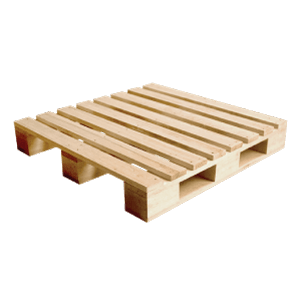


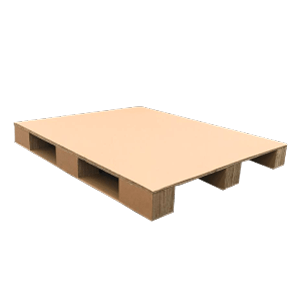

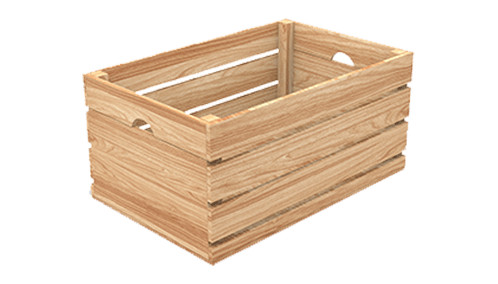
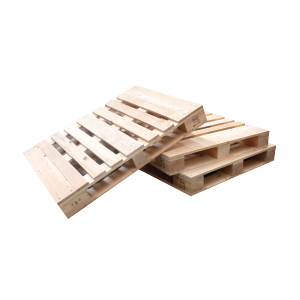

Wooden pallets for export product protection are a crucial component of the international supply chain. Therefore, exporters must choose pallets with the right standards to ensure products arrive in good condition. In addition, international shipping involves many physical and environmental risks. For this reason, read the following discussion because each point directly affects the safety of export products.

Product Safety Challenges in the Export Process
Exports involve long journeys using various modes of transportation. Products pass through trucks, sea vessels, and transit warehouses. In addition, loading and unloading processes take place multiple times. Global logistics data shows that more than 50% of export product damage occurs during the distribution process.
In addition to human factors, the environment also affects product condition. Humidity inside sea containers can reach 70–90%. Vessel vibrations and stacking pressure add to the risks. Therefore, export products need a strong protection system from the beginning.
The Role of Wooden Pallets in Protecting Export Products
Wooden pallets serve as the main base and support for products. A stable base helps keep products balanced. In addition, wood has vibration-absorbing properties, so impacts do not directly affect the products.
In logistics operations, wooden pallets for export product protection can reduce the risk of load shifting by up to 30–40%. With more stable loads, the risk of products breaking, denting, or being damaged during transportation is also significantly reduced.
Load Stability and Product Safety
Load stability is the key to export product safety. Stable pallets help distribute the load evenly. In addition, the center of gravity of the products remains balanced during transportation.
When a vehicle turns or a vessel experiences waves, the pallet helps keep the products in position. Therefore, many exporters use wooden pallets for high-value and sensitive products.
Wooden Pallet Structure That Supports Safety
Pallet structure affects the level of product protection. Pallets with closely spaced boards and strong support beams can withstand pressure and vibrations. In addition, wood has natural elasticity that helps absorb impacts.
During long-distance shipping, wooden pallets for export product protection help maintain the shape and position of products even during extreme journeys. With the right structure, the risk of damage is significantly reduced.
International Standards for Export Pallets
Export products must meet international standards to pass quarantine inspections. These standards are not only related to biological safety but also to smooth distribution.
After understanding its function, exporters need to ensure that pallets meet applicable global regulations.
ISPM 15 as a Mandatory Standard
ISPM 15 is a global standard for wooden packaging used in exports. More than 180 countries apply this regulation. ISPM 15 ensures that pallets are free from pests and living organisms.
ISPM 15 regulates wood treatment methods. Heat Treatment is the most common method because it is environmentally friendly and widely accepted. With this standard, the risk of quarantine detention is significantly reduced.
Heat Treatment for Export Product Protection
Heat Treatment or HT heats the core of the wood to 56°C for at least 30 minutes. This process kills insect eggs, larvae, and fungi. IPPC data shows that HT pallets have an acceptance rate of more than 95% at international ports.
In addition, HT reduces the moisture content of the wood. Drier wood is less likely to change shape. With this condition, the pallet remains stable and continues to protect products during long journeys.
ISPM 15 Mark as Proof of Safety
Every export pallet must have an ISPM 15 mark. The mark contains the country code, manufacturer registration number, and treatment method. In addition, the mark must be clearly readable.
Also Read Complete Wooden Pallets in Indonesia
Asian port data shows that around 25% of detention cases occur because the mark is unclear. Therefore, checking the mark before stuffing is an important step to ensure the product can continue its journey safely.
Supporting Documents for Product Safety
Documents complement the physical function of pallets. Without complete documents, pallets may be detained even if their condition meets the standards.
Heat Treatment Certificate
The HT certificate includes the date, temperature, duration, and chamber number. Logistics data shows that shipments with complete certificates are completed 2–3 days faster than those without complete certificates. This directly affects product safety and delivery timelines.
Packing List and Invoice
The packing list explains the number of pallets and type of wood. The invoice ensures that the product value details are accurate. Data synchronization helps the inspection process run smoothly.
Financial Impact If Products Are Not Secure
Damage to export products causes significant losses. In addition to the product value, return and claim costs also increase. The average loss caused by damaged products reaches 5–10% of the export value.
With the right pallets, this risk can be reduced. Therefore, investing in quality wooden pallets can actually reduce long-term costs.
The Role of Pallet Manufacturers in Export Safety
Pallet manufacturers play an important role from the beginning. Wood selection, structural design, and the Heat Treatment process determine pallet quality. In addition, consistent production helps maintain standards.
PT. Bumi Mandiri Resources produces wooden pallets according to international export standards. Each pallet is designed to maintain load stability and protect products throughout the export process.
Tips for Maximizing the Function of Export Wooden Pallets
Use pallets according to the weight and type of product. In addition, make sure the pallets are dry, intact, and certified. Inspect them before shipping. With these steps, product safety can be significantly improved.
Lastly, choose an experienced pallet manufacturer. With the right specifications, wooden pallets for export product protection help maintain product quality, smooth shipping, and the trust of international partners.
E-mail: info@bmr-pallets.com
WA: +62 8119-787-911

