





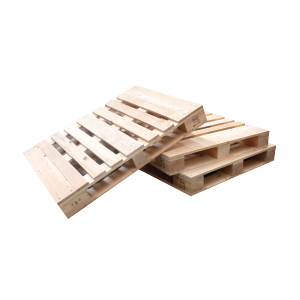

Wooden pallets passing customs are an important requirement to ensure export shipments proceed without issues. Therefore, you need to read the explanation below to understand international standards, required documents, and the risks if the requirements are not met. In addition, this article presents regulatory data and common practices in the field. So, make sure you follow the discussion until the end.
In international trade, customs authorities do not only inspect the main goods. Officials also inspect packaging materials such as wooden pallets. Many countries reject shipments if the pallets do not meet special treatment standards.
International Standards for Export Wooden Pallets
The main standard applied globally is ISPM 15 (International Standards for Phytosanitary Measures No. 15). This regulation governs the treatment of wood packaging materials to ensure they are free from pests and harmful organisms.
ISPM 15 requires heat treatment at a minimum core wood temperature of 56°C for 30 minutes. In addition, pallets must have an official mark containing the country code, producer registration number, and HT treatment mark.
Without this official mark, pallets are at risk of being rejected at the destination port.
Supporting Documents to Pass Inspection
In addition to physical standards, documents also play an important role. The fumigation or heat treatment certificate must match the registration number on the pallet mark.
Export practice data shows that around 30–40% of shipment holds are related to inconsistencies in wood packaging documents. These inconsistencies can directly trigger further inspections.
Therefore, exporters must ensure that the data on the invoice, packing list, and certificate are consistent.
Customs Inspection Process
Customs officials conduct a visual inspection of the ISPM 15 mark. If the mark is unclear or damaged, officials may request an additional inspection.
Under certain conditions, goods may undergo quarantine inspection. Storage costs at the port can reach IDR 300,000–600,000 per day per container, depending on the location.
This situation can certainly cause losses for exporters because it adds costs and delays shipments.
Risks If Pallets Do Not Meet Standards
If pallets do not meet the standards, the destination country may reject the entire shipment. The goods may be returned to the country of origin or even destroyed.
The losses do not only come from additional logistics costs. The company’s reputation may also decline in the eyes of international buyers. In some cases, long-term contracts may be at risk.
Also Read Complete Wooden Pallets in Indonesia
Therefore, ensuring that wooden pallets pass customs is a strategic step in export management.
Tips to Ensure Pallets Meet Export Standards
The first step is to work with an officially registered pallet manufacturer. Make sure the manufacturer’s registration number is valid and recorded with the relevant authorities.
The next step is to conduct a physical inspection before container stuffing. Check the HT mark, wood condition, and pallet cleanliness.
In addition, keep all wood treatment documents in one easily accessible archive. Consistent data helps speed up the clearance process.
Alternatives to Reduce Risks
Some exporters are starting to switch to non-wooden pallets such as paper or plastic pallets. These materials do not require ISPM 15 treatment, making the export process simpler.
However, for heavy goods and manufacturing needs, wooden pallets remain the main choice. Therefore, compliance with standards must remain a priority.
The Role of PT. Bumi Mandiri Resources in Supporting Smooth Exports
PT. Bumi Mandiri Resources understands the importance of packaging standards in the export process. Experience in the logistics sector helps the company identify critical points that often trigger shipment holds.
A regulatory compliance-based approach helps businesses prepare shipments in a more structured and secure manner.
Conclusion: Compliance with Standards Determines Smooth Exports
Exports do not only depend on product quality. Packaging materials such as wooden pallets must also meet international standards. ISPM 15, complete documentation, and physical inspections are key factors.
By ensuring that wooden pallets pass customs, exporters can reduce the risk of shipment holds, maintain their reputation, and preserve the trust of the global market.
E-mail: info@bmr-pallets.com
WA: +62 8119-787-911

