
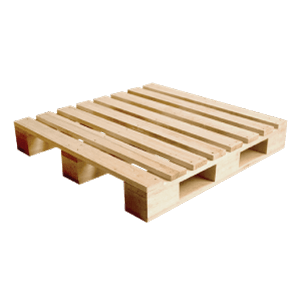




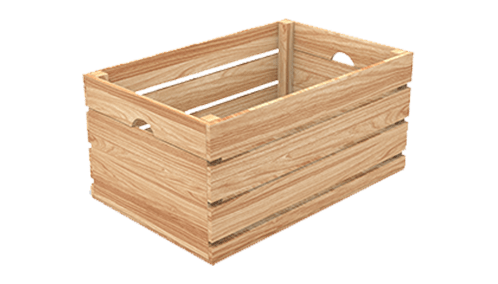
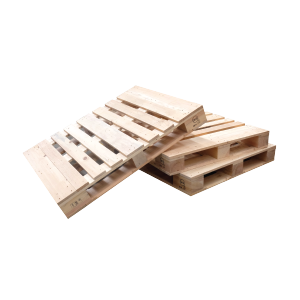

Wooden pallets meeting destination country standards are a key factor in ensuring a smooth export process without obstacles. Therefore, exporters need to understand international standards from the beginning. In addition, small mistakes in pallets can often lead to goods being held at the port. So, read the discussion below carefully because every detail directly affects whether the export passes inspection.
Also Read Complete Wooden Pallets in Indonesia
Why Does Each Country Have Wooden Pallet Standards?
Each country protects the biological safety of its territory. Wood can carry pests, fungi, and insect larvae. Therefore, destination countries apply strict regulations to wooden packaging. FAO data records that more than 30% of import rejection cases are related to wooden packaging that does not meet standards.
In addition, global trade continues to grow. In 2023, global export volume reached USD 24 trillion. With such a large flow of goods, destination countries need a standardized screening system. Therefore, international standards were introduced as a common solution.
ISPM 15 as a Global Standard
ISPM 15 is the main standard for export wooden pallets. This regulation applies in more than 180 countries. ISPM 15 regulates the treatment of wood to ensure it is free from harmful organisms. In addition, this standard makes cross-border inspections easier.
After understanding its role, exporters need to know the technical details to ensure proper implementation.
Required Treatment for Wooden Pallets
ISPM 15 recognizes only two treatment methods. First, Heat Treatment (HT). Second, Methyl Bromide (MB). However, many countries now restrict MB due to its environmental impact. Therefore, HT has become the main choice.
Heat Treatment heats the core of the wood to 56°C for at least 30 minutes. This process kills insect eggs and fungi. IPPC data shows that the acceptance rate for HT reaches more than 95% at international ports.
Differences in Pallet Standards in Several Destination Countries
Although ISPM 15 is a global standard, each country adds its own technical requirements. Therefore, exporters must adjust their pallets to the applicable requirements.
Wooden Pallet Standards for Japan and Korea
Japan and Korea are very strict about pallet cleanliness. Pallets must be free from bark and mold stains. In addition, the ISPM 15 stamp must be clear and permanent. Japanese quarantine data shows that more than 20% of holds occur because of unclear stamps.
Wooden Pallet Standards for the United States and Canada
The United States and Canada widely accept HT. However, random inspections often take place. Pallet weight and dimensions must match the documents. In addition, cracked or broken pallets may be rejected for safety reasons.
Wooden Pallet Standards for Australia and New Zealand
Australia is known for having very strict requirements. In addition to HT, pallets must be free from soil and dust. Biosecurity Australia data records that nearly 100% of wooden packaging undergoes visual inspection. Therefore, finishing quality is very important.
ISPM 15 Stamp as an Official Identification
Every pallet must have an ISPM 15 stamp. The stamp contains the country code, manufacturer registration number, and treatment method. In addition, the stamp must not be covered with additional paint.
In export practices, wooden pallets meeting destination country standards always have a clearly readable stamp. If the stamp is damaged, officers may immediately hold the goods. Therefore, checking the pallets before container stuffing is an important step.
Documents Supporting Wooden Pallet Standards
Documents serve as written evidence. Without documents, pallets may fail inspection even if their physical condition meets the requirements.
Heat Treatment Certificate
The HT certificate includes the treatment date, temperature, duration, and chamber number. Data from major ports in Indonesia shows that shipments with complete certificates are completed 2–3 days faster than those without complete documentation.
Packing List and Invoice
The packing list explains the number of pallets, type of wood, and weight. The invoice ensures that the value and details of the goods are consistent. Inconsistencies in the data often trigger further inspections.
Impact of Wooden Pallets Not Meeting Destination Country Standards
Pallets that do not meet the standards can lead to additional costs. The average demurrage cost reaches USD 50–120 per container per day. In addition, delays can disrupt distribution schedules.
Furthermore, the exporter’s reputation can also be affected. Importers tend to choose partners with a clean shipping history. Therefore, compliance with standards provides long-term benefits.
The Role of Pallet Manufacturers in Maintaining Standards
Pallet manufacturers play an important role starting from the selection of wood. The wood must be dry and free from mold. In addition, the HT process must be carried out with consistent temperature records.
PT. Bumi Mandiri Resources applies data-based quality control. Every HT process is digitally recorded. With this system, verification becomes faster. In addition, pallets are adjusted to the requirements of the destination country from the beginning of production.
Practical Tips to Ensure Pallets Always Meet Destination Country Standards
Use certified HT pallets. In addition, keep both physical and digital copies of the documents. Conduct a visual inspection before shipping. With these steps, the risk of rejection can be significantly reduced.
Lastly, make sure communication with the supplier is clear. With consistent standards, exports can run smoothly and efficiently. Therefore, make sure every shipment uses wooden pallets meeting destination country standards so that your export business can continue to grow without obstacles.
E-mail: info@bmr-pallets.com
WA: +62 8119-787-911
palet kayu standar negara tujuan menjadi faktor utama agar proses ekspor berjalan lancar tanpa hambatan. Oleh karena itu, eksportir perlu memahami standar internasional sejak awal. Selain itu, kesalahan kecil pada palet sering memicu penahanan barang di pelabuhan. Maka dari itu, simak pembahasan di bawah ini karena setiap detail berpengaruh langsung pada kelulusan ekspor.
Baca Juga Palet Kayu Terlengkap Di Indonesia
Mengapa Setiap Negara Memiliki Standar Palet Kayu
Setiap negara menjaga keamanan hayati wilayahnya. Kayu berisiko membawa hama, jamur, dan larva serangga. Karena itu, negara tujuan menerapkan aturan ketat pada kemasan kayu. Data FAO mencatat lebih dari 30% kasus penolakan impor berkaitan dengan kemasan kayu yang tidak sesuai standar.
Selain itu, perdagangan global terus meningkat. Pada tahun 2023, volume ekspor dunia mencapai USD 24 triliun. Dengan arus sebesar itu, negara tujuan membutuhkan sistem penyaringan yang seragam. Maka, standar internasional hadir sebagai solusi bersama.
ISPM 15 sebagai Acuan Global
ISPM 15 menjadi standar utama untuk palet kayu ekspor. Aturan ini berlaku di lebih dari 180 negara. ISPM 15 mengatur perlakuan kayu agar bebas organisme berbahaya. Selain itu, standar ini mempermudah pemeriksaan lintas negara.
Setelah memahami perannya, eksportir perlu mengenal detail teknisnya agar penerapan tepat.
Perlakuan Wajib pada Palet Kayu
ISPM 15 hanya mengakui dua metode perlakuan. Pertama, Heat Treatment (HT). Kedua, Methyl Bromide (MB). Namun, banyak negara kini membatasi MB karena dampak lingkungan. Karena itu, HT menjadi pilihan utama.
Heat Treatment memanaskan inti kayu hingga 56°C selama minimal 30 menit. Proses ini membunuh telur serangga dan jamur. Data IPPC menunjukkan tingkat penerimaan HT mencapai lebih dari 95% di pelabuhan internasional.
Perbedaan Standar Palet di Beberapa Negara Tujuan
Meskipun ISPM 15 bersifat global, tiap negara menambahkan aturan teknis. Oleh karena itu, eksportir wajib menyesuaikan kebutuhan.
Standar Palet Kayu ke Jepang dan Korea
Jepang dan Korea sangat ketat pada kebersihan palet. Palet harus bebas kulit kayu dan noda jamur. Selain itu, stempel ISPM 15 harus jelas dan permanen. Data karantina Jepang menunjukkan lebih dari 20% penahanan terjadi karena stempel buram.
Standar Palet Kayu ke Amerika dan Kanada
Amerika Serikat dan Kanada menerima HT secara luas. Namun, pemeriksaan acak sering terjadi. Berat dan dimensi palet harus sesuai dokumen. Selain itu, palet retak atau patah berisiko ditolak karena faktor keselamatan.
Standar Palet Kayu ke Australia dan Selandia Baru
Australia terkenal sangat ketat. Selain HT, palet harus bersih dari tanah dan debu. Data Biosecurity Australia mencatat hampir 100% kemasan kayu melalui inspeksi visual. Karena itu, kualitas finishing sangat menentukan.
Stempel ISPM 15 sebagai Identitas Resmi
Setiap palet wajib memiliki stempel ISPM 15. Stempel berisi kode negara, nomor registrasi produsen, dan metode perlakuan. Selain itu, stempel tidak boleh diberi cat tambahan.
Dalam praktik ekspor, palet kayu standar negara tujuan selalu memiliki stempel yang terbaca jelas. Jika stempel rusak, petugas bisa langsung menahan barang. Karena itu, pengecekan sebelum stuffing menjadi langkah penting.
Dokumen yang Mendukung Standar Palet Kayu
Dokumen berfungsi sebagai bukti tertulis. Tanpa dokumen, palet berisiko gagal meski fisik sesuai.
Sertifikat Heat Treatment
Sertifikat HT mencantumkan tanggal proses, suhu, durasi, dan nomor chamber. Data pelabuhan besar di Indonesia menunjukkan pengiriman dengan sertifikat lengkap selesai 2–3 hari lebih cepat dibanding yang tidak lengkap.
Packing List dan Invoice
Packing list menjelaskan jumlah palet, jenis kayu, dan berat. Invoice memastikan nilai dan detail barang konsisten. Ketidaksesuaian data sering memicu pemeriksaan lanjutan.
Dampak Jika Palet Tidak Sesuai Standar Negara Tujuan
Palet yang tidak sesuai standar memicu biaya tambahan. Rata-rata biaya demurrage mencapai USD 50–120 per kontainer per hari. Selain itu, keterlambatan mengganggu jadwal distribusi.
Lebih jauh lagi, reputasi eksportir ikut terdampak. Importir cenderung memilih mitra dengan riwayat pengiriman bersih. Karena itu, kepatuhan standar memberi keuntungan jangka panjang.
Peran Produsen Palet dalam Menjaga Standar
Produsen palet memegang peran besar sejak pemilihan kayu. Kayu harus kering dan bebas jamur. Selain itu, proses HT berjalan dengan pencatatan suhu yang konsisten.
PT. Bumi Mandiri Resources menerapkan kontrol kualitas berbasis data. Setiap proses HT tercatat secara digital. Dengan sistem ini, verifikasi menjadi lebih cepat. Selain itu, palet menyesuaikan kebutuhan negara tujuan sejak awal produksi.
Tips Praktis Agar Palet Selalu Sesuai Standar Negara Tujuan
Gunakan palet HT bersertifikat. Selain itu, simpan dokumen fisik dan digital. Lakukan inspeksi visual sebelum pengiriman. Dengan langkah ini, risiko penolakan turun signifikan.
Terakhir, pastikan komunikasi dengan supplier berjalan jelas. Dengan standar yang konsisten, ekspor berjalan lancar dan efisien. Jadi, pastikan setiap pengiriman menggunakan palet kayu standar negara tujuan agar bisnis ekspor terus berkembang tanpa hambatan.
E-mail: info@bmr-pallets.com
WA: +62 8119-787-911
📅 Last updated:

