
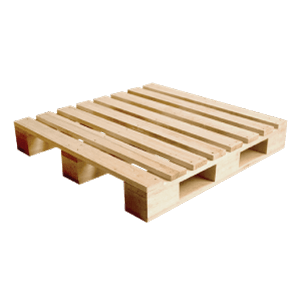


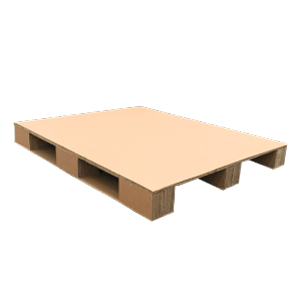

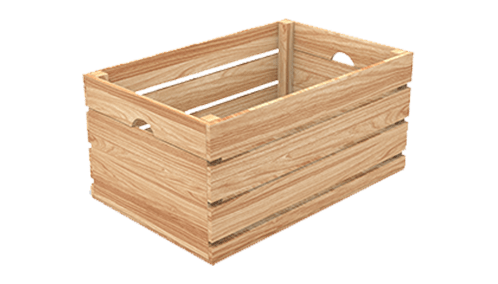
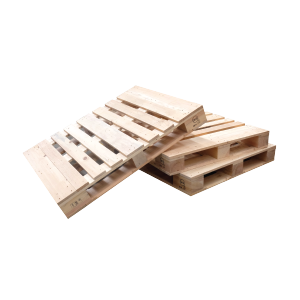

ISPM 15 Wooden Pallets – Food product distribution for export requires a stricter handling system compared to general goods shipments. One important aspect that is often considered in the export process is the use of wooden pallets that meet international standards.
Wooden pallets for food export must meet distribution safety standards, load resistance requirements, and international regulations related to cross-border shipping. Therefore, many food manufacturing companies use ISPM 15 pallets and EPAL pallets to support their food product export needs.
Also Read: What Is ISPM 15 for Wooden Pallets?
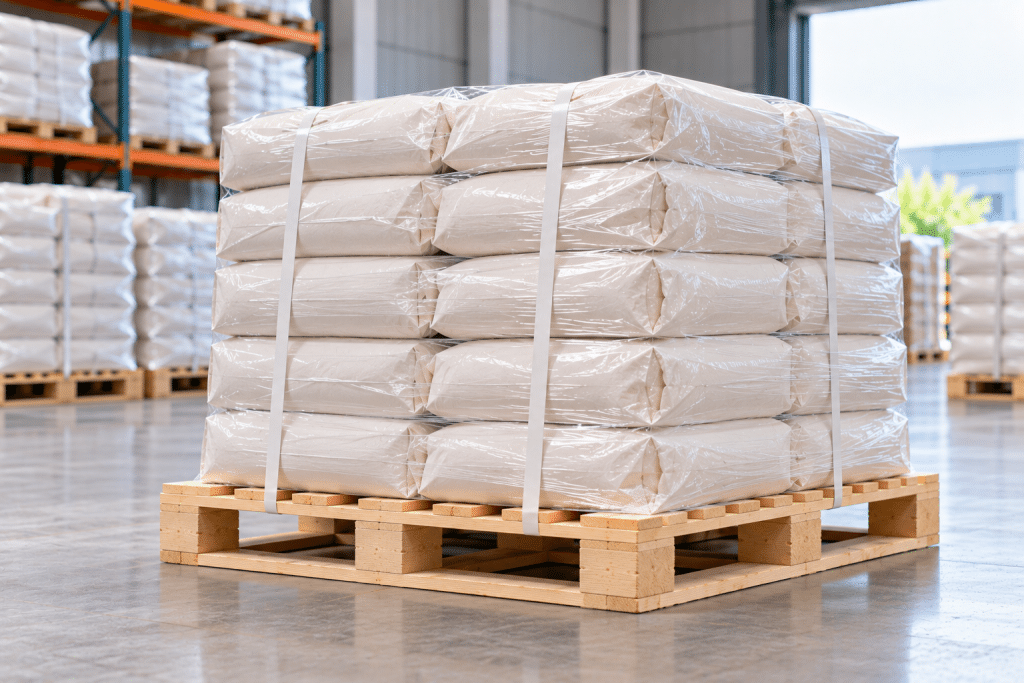
Why Does Food Product Export Require Special Pallet Standards?
Food products are a category of goods that are sensitive to cleanliness, storage stability, and distribution safety. Using wooden pallets that do not meet the required standards can increase the risk of product damage as well as issues during the export inspection process.
In addition, many countries have strict regulations regarding wood materials used for international shipments. Export pallet standards for food manufacturing are important to ensure that the distribution process runs more safely and complies with the regulations of the destination country.
Risks of Using Non-Standard Pallets for Food Export
Wooden pallets that have not undergone special treatment can become a medium for the spread of pests and fungi. This condition can cause food products to fail inspection when they arrive in the export destination country.
In addition, pallets with weak construction can increase the risk of product damage during shipping. This can affect distribution quality while also increasing the company’s operational costs.
Also Read: Which Countries Require ISPM 15?
Wooden Pallet Regulations for International Shipping
Several countries, such as the United States, Australia, Japan, and European countries, require the use of wooden pallets that meet ISPM 15 standards. These regulations are designed to prevent the spread of harmful organisms through wood materials.
Therefore, food export companies usually use ISPM 15 wooden pallets to make the shipping process safer and comply with international standards. The use of certified pallets also helps reduce the risk of goods being held at the destination port.
ISPM 15 Pallets for Food Product Export
ISPM 15 is an international standard that regulates the treatment of wood materials for export purposes. This standard is one of the important requirements for shipping food products to various countries.
ISPM 15 wooden pallets are commonly used in the food manufacturing industry because they undergo special treatment that helps reduce the risk of wood pests and improve international distribution safety.
Also Read: EPAL Wooden Pallet Factory
What Is the ISPM 15 Standard?
ISPM 15 is an international standard that regulates the treatment process for wooden packaging and pallets used for export. This standard is applied to reduce the risk of pests being transferred between countries through wood materials.
Pallets that meet ISPM 15 standards usually have special marking as a sign that the pallets have undergone treatment according to international regulations. This marking is an important part of the export inspection process.
Heat Treatment Process for Wooden Pallets
One of the treatment methods for ISPM 15 pallets is heat treatment, or heating the wood at a certain temperature. This process aims to kill harmful organisms that may be present in the wood material.
In addition to helping meet export standards, the heat treatment process also makes pallets more stable for use in large-scale food product distribution. This is important for maintaining pallet quality during international shipping.
Countries That Require ISPM 15
Many export destination countries require the use of ISPM 15 wooden pallets as part of their import regulations. These countries generally have strict standards for product safety and shipping materials.
By using ISPM 15 pallets, food manufacturing companies can minimize the risk of goods being rejected while also making the international distribution process smoother.
EPAL Pallets for Distribution and Food Manufacturing
In addition to ISPM 15 pallets, EPAL pallets are also widely used for food product distribution and export needs. These pallets are known for having more consistent size and construction standards for international logistics needs.
The use of EPAL pallets helps companies improve warehouse efficiency while also making handling processes easier in modern distribution systems.
EPAL Pallet Size and Construction Standards
EPAL pallets have standard dimensions that are commonly used in international logistics systems and industrial warehouses. Consistent dimensions help make storage and distribution processes more efficient.
In addition to standard dimensions, EPAL pallets also have a construction designed for heavy loads and repeated handling activities. This makes the pallets more stable for food manufacturing and export needs.
Advantages of EPAL Pallets for Food Export
EPAL pallets offer good precision for large-scale food product distribution. Their stable construction helps maintain product safety during shipping and storage.
In addition, using EPAL pallets makes it easier to integrate with warehouse racking systems, forklifts, and export containers that use international standards.
Quality Wooden Pallets for Sale
EPAL Pallets for Export Containers
Many food manufacturing companies use EPAL pallets for export container distribution needs.
EPAL pallets also help speed up the loading and unloading of goods in logistics areas. This is important for maintaining smooth food product distribution on a large scale.
How to Choose Wooden Pallets for Food Export
Choosing wooden pallets for food export requires consideration of export standards, material quality, and the company’s distribution needs. The right pallets can help maintain product safety while improving operational efficiency.
Therefore, food manufacturing companies need to ensure that the pallets they use comply with international regulations and the requirements of their logistics systems.
Choosing Stable Wood Materials
Wood materials used for export pallets must have a stable level of dryness so they do not easily develop mold or change shape during shipping.
In addition, strong wood materials also help make pallets more resistant to handling and long-term distribution activities.
Ensuring Load Capacity Matches the Product
Each food product has different characteristics and load capacity requirements. Therefore, the pallet construction needs to be adjusted to the company’s distribution needs.
Pallets with the right load capacity help maintain product stability during storage and international shipping.
Using a Pallet Supplier That Understands Export Standards
Pallet suppliers that understand export requirements are generally able to provide pallet specifications that comply with international regulations and the needs of the food industry.
Therefore, many companies use <a href=”/produk/palet-kayu”>industrial wooden pallets</a> with custom specifications to support the needs of warehouses, logistics, and food manufacturing exports.
Consulting BMR for Your Export Pallet Needs
BMR provides wooden pallet solutions for the food industry, warehouses, logistics, and export needs with ISPM 15 standards and custom specifications according to company requirements.
With large-scale production capabilities and experience handling industrial needs, BMR helps companies get wooden pallets suitable for food product distribution and international export needs.
Baca juga: Indonesian Export Wooden Pallet Supplier (ISPM 15 Certified Manufacturer)
📅 Last updated:

