
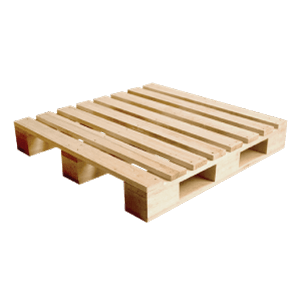


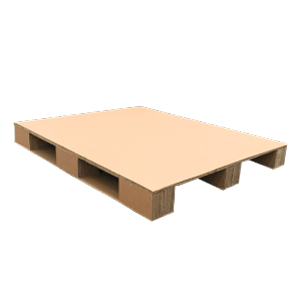

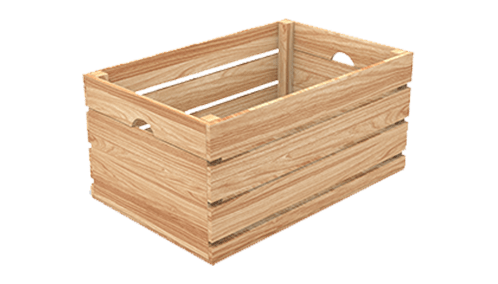
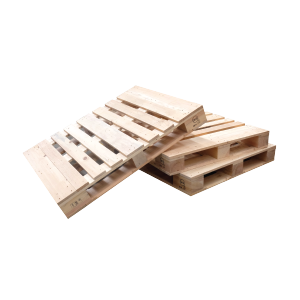

Export Wooden Pallets – The IPPC stamp on wooden pallets indicates that the pallet has met international wood treatment standards for export purposes. This stamp is commonly found on wooden pallets, wooden crates, and other wood packaging materials used for international shipments.
In the export and logistics industry, the IPPC stamp is an important element because it indicates that the wood material has undergone treatment in accordance with ISPM 15 standards. Using wooden pallets without an IPPC stamp may result in shipment rejection, quarantine procedures, and distribution issues in the destination country.

What Is the IPPC Stamp on a Wooden Pallet?
The IPPC stamp is an official marking on a wooden pallet indicating that the wood material has undergone treatment in accordance with international standards under ISPM 15 regulations.
IPPC stands for:
International Plant Protection Convention
This standard was established to prevent the spread of pests, insects, and other harmful organisms through wood packaging materials used in international trade.
The IPPC stamp is usually applied using:
- a stamp,
- branding,
- or permanent marking
on the side of the wooden pallet.
For industrial distribution, using Wooden Pallets that comply with export standards is an important part of ensuring the safety and smooth handling of international shipments.
The Function of the IPPC Stamp for Export
The IPPC stamp plays an important role in international distribution. This marking indicates that the wooden pallet has undergone the required treatment to make it suitable for cross-border shipments.
In export operations, many countries require wood packaging materials to comply with ISPM 15 requirements to reduce the risk of spreading wood pests from the country of origin.
Some of the main functions of the IPPC stamp include:
- complying with international export regulations,
- reducing the risk of shipment rejection at customs,
- reducing the risk of quarantine procedures,
- indicating that the pallet has undergone the required treatment,
- and supporting safer international distribution.
Using Export Wooden Pallets that comply with ISPM 15 standards can help companies reduce the risk of distribution issues in destination countries.
Understanding the Codes on an IPPC Stamp
An IPPC stamp consists of several codes that provide specific information. Each part of the marking identifies information such as the country of origin, the registered producer, and the treatment method used.
Here is an example of the structure of an IPPC stamp on a wooden pallet:
| Code | Meaning |
| IPPC | International Plant Protection Convention |
| ID | Country of origin code |
| 135 | Producer registration number |
| HT | Heat Treatment |
Example marking:
IPPC
ID-135
HT
This means:
- the pallet originates from Indonesia,
- it was manufactured by a registered company,
- and it has undergone heat treatment.
This marking is commonly found on ISPM 15 Export Wooden Pallets used for international shipments.
Difference Between HT and MB Codes on Wooden Pallets
IPPC markings may include different treatment codes. Two commonly encountered codes are HT and MB.
Each code indicates the wood treatment method applied before the pallet is used for export.
| Code | Meaning | Explanation |
| HT | Heat Treatment | The wood is heated in accordance with ISPM 15 requirements |
| MB | Methyl Bromide | The wood is fumigated using methyl bromide |
Today, the HT method is more commonly used because it is considered more environmentally friendly than methyl bromide fumigation.
Heat-Treated ISPM 15 Export Wooden Pallets are also increasingly used because they comply with modern international distribution requirements.
Why Do Export Wooden Pallets Need an IPPC Stamp?
Wooden pallets without an IPPC stamp may be rejected by the destination country because they may not comply with applicable international requirements. This is particularly important for shipments involving industrial, manufacturing, and international logistics operations.
ISPM 15 was established to ensure that wood packaging materials are treated to eliminate or control pests and other harmful organisms, including:
- insect larvae,
- termites,
- wood-boring beetles,
- and other harmful organisms.
Therefore, using wooden pallets with the appropriate IPPC marking is an important part of modern export operations.
For international distribution, companies can use Export Wooden Pallets that have undergone the required treatment and carry the appropriate international marking in accordance with export regulations.
Risks of Using Wooden Pallets Without an IPPC Stamp
Using wooden pallets without an IPPC stamp may cause various issues during international distribution. These risks can affect not only the shipment itself but also a company’s logistics costs.
Some potential risks include:
- shipment rejection at the port,
- quarantine procedures,
- distribution delays,
- additional costs,
- and re-export requirements.
In certain cases, the destination country may also require non-compliant wood packaging materials to be destroyed.
Therefore, when selecting Wooden Pallets for export purposes, companies should pay attention to the applicable treatment requirements and the validity of the IPPC marking.
How to Check the Authenticity of an IPPC Stamp
A genuine IPPC marking should be clear and legible and should be permanently applied to the wooden pallet. In addition, the country code and producer registration number should correspond to the relevant registered entity.
Some key features to check include:
- the IPPC symbol,
- the country code,
- the producer registration number,
- the applicable treatment code,
- and a permanent marking.
Wooden pallets with unclear, blurred, or incomplete markings should be checked carefully before being used for export.
This verification is particularly important when using ISPM 15 Export Wooden Pallets for international shipments.
The Importance of Choosing the Right Export Pallet Supplier
In international distribution, pallet quality is an important factor that can affect shipment safety and compliance with export requirements.
Therefore, companies should ensure that the pallets they use:
- have the appropriate IPPC marking,
- use suitable wood materials,
- and are manufactured in accordance with applicable international export standards.
PT BMR provides Wooden Pallet solutions for industrial distribution and export requirements, including pallets that comply with ISPM 15 requirements and appropriate IPPC marking for international shipments.
For international shipping requirements, companies can also use Export Wooden Pallets manufactured according to their distribution requirements and industrial load capacities.
FAQ
What does HT mean on a wooden pallet?
HT stands for Heat Treatment, which is a process of heating wood in accordance with ISPM 15 requirements to eliminate pests and other harmful organisms from wood packaging materials.
The HT code is commonly found on Export Wooden Pallets used for international distribution.
Are all export pallets required to have an IPPC stamp?
For many export destinations, wooden pallets must comply with ISPM 15 requirements and carry an IPPC marking as evidence that the wood packaging material has undergone the required treatment.
Therefore, using ISPM 15 Export Wooden Pallets is an important requirement for international shipments.
Can pallets without an IPPC stamp be used?
Wooden pallets without an IPPC marking may still be used for domestic applications where international wood packaging requirements do not apply. However, for international exports, using pallets without the required IPPC marking may result in rejection or additional treatment requirements in the destination country.
For domestic distribution and general industrial applications, companies can use Wooden Pallets according to their goods-handling and distribution requirements.
What is the difference between heat treatment and fumigation for wooden pallets?
Heat treatment uses controlled heating to treat the wood, while fumigation uses chemicals such as methyl bromide to control pests in wood packaging materials.
Today, heat treatment is widely used for Export Wooden Pallets because it is a non-chemical treatment method and is widely used for international wood packaging compliance.
Conclusion
The IPPC stamp on a wooden pallet is an official marking associated with compliance with international wood packaging treatment requirements under ISPM 15. This marking plays an important role in export operations because it indicates that the wood packaging material has undergone the required treatment for international trade.
In addition to supporting compliance with international requirements, using properly treated and marked wooden pallets can help reduce the risk of shipment rejection, quarantine procedures, and distribution issues. Therefore, choosing Wooden Pallets that meet the applicable standards is an important part of modern industrial logistics and international shipping.

