
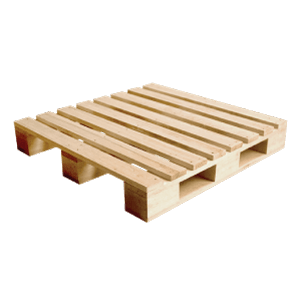


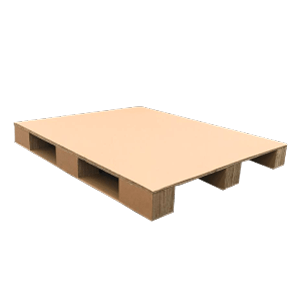

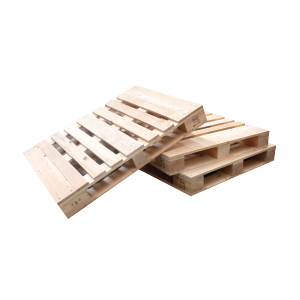

In the competitive world of exports, every detail matters. Choosing the right wooden pallet manufacturer is a critical decision and a strategic choice that directly impacts your company’s profitability and reputation.
A small mistake in pallet standards can turn into a logistics nightmare: cargo being held for days at the destination port, increasing quarantine penalties, and even damaging the trust you have worked hard to build with international buyers.
This threat is real.

According to logistics industry data, packaging and documentation issues are among the main causes of customs delays. As a partner who understands the high level of risk involved, we want to make sure you are protected.
Also Read: Why Do Export Pallets Need Heat Treatment? Here Is the Answer!
To help you make a safe and informed decision, we have summarized 5 critical questions that you should ask potential suppliers to distinguish ordinary suppliers from true strategic partners.
Here are 5 Critical Questions to Ask a Wooden Pallet Manufacturer to Keep Your Export Commodities Safe.
Do the Pallets Meet ISPM Standards or Does the Manufacturer Also Hold an EPAL License?
ISPM 15 (HT) Validation
ISPM 15 is the absolute minimum standard required globally to prevent the spread of pests. Make sure your supplier carries out Heat Treatment (HT), rather than chemical fumigation, which is now subject to increasing restrictions. Heat treatment is a more environmentally friendly method.
Euro Pallet – EPAL Certification
If you export to Europe or to buyers who demand the highest level of quality assurance, ask about EPAL (European Pallet Association) certification. EPAL pallets go beyond ISPM 15, with strict standards for dimensions, strength, and nail specifications. This provides the highest level of compliance assurance. In Indonesia, BMR is the only official provider of EPAL-standard pallets.
If a company already holds global standards such as EPAL, it can be an indication that the company has established regulations and capabilities for manufacturing the product. In Indonesia, BMR is the only official provider of EPAL-standard pallets.
Follow-Up Question for the Supplier: “Can I see a copy of your valid ISPM 15 and EPAL certificates?”
Also Read: Why Do Export Pallets Need Heat Treatment? Here Is the Answer!
How Do You Ensure Strong and Pest-Free Wood Materials?
The answer to this question will reveal the quality of their “production engine.” Reliable pallets start with reliable raw materials.
Wood Source and Type
Ask where the wood comes from. Is the wood sourced legally and in compliance with government requirements regarding reforestation? Do they use fresh-cut wood designed for strength, or simply low-quality leftover wood?
Controlled Drying Process
Wet or damp wood is a major problem. It can warp when exposed to heat inside a container, develop mold, and experience a significant reduction in strength. Make sure the wooden pallet manufacturer has a controlled drying facility (Kiln Drying) to achieve the ideal moisture content (below 20%), which is also a key part of the HT process for eliminating pests.
Follow-Up Question for the Supplier: “What type of wood do you use, and what is your standard wood moisture content after the drying process?”
Also Read: Why Do Export Pallets Need Heat Treatment? Here Is the Answer!
How Do You Ensure Consistent Quality from the First Pallet to the Thousandth?
This is a classic issue in B2B procurement: the quality of the approved pallet sample turns out to be significantly different from the quality of the thousands of pallets delivered.
Quality Management System
The best way to ensure consistency is through a system. Ask whether the company holds ISO 9001:2015 certification, an international standard for quality management. This is evidence that the company has documented SOPs and quality control processes that are consistently implemented.
Standardized Construction Standards
Ask about the construction details. Poorly manufactured pallets will not deliver consistent quality. EPAL pallets, for example, specify the use of 78 special nails in a precise pattern. This ensures that every pallet has consistent and reliable joint strength.
Follow-Up Question for the Supplier: “What are your dimensional tolerances for pallets, and how is quality control handled on your production line?”
Also Read: EPAL Pallet Standards: Reliability Assurance for Risk-Free Exports
What Is Your Production Capacity and Logistics Coverage?
A reliable partner must have the operational strength to support your business, especially when there is a surge in demand.
Production Capacity
How many pallets can they produce per week or per month? Can they handle urgent orders without compromising the production schedules of other clients?
Delivery Coverage and Reliability
Where are their facilities located? Having multiple branches is a major advantage. BMR, with 6 branches in major industrial centers across Java, is able to provide faster and more reliable delivery, reducing the risk of delays that could disrupt your production line.
Follow-Up Question for the Supplier: “What is the average lead time for delivery to my warehouse, and do you have a contingency plan in case of delivery problems?”
Also Read: Are Wooden Pallets with ISO Certification More Durable?
What Is Your Company’s Main Focus?
This question helps you understand the company’s DNA and commitment.
Specialist vs. General Trader
Are they a specialist dedicated to using all of their resources to manufacture high-quality pallets? Or are they simply a trader selling used pallets, damaged pallets, and similar products?
Commitment to Premium Quality
A company that openly states its 100% focus on new, premium-quality pallets, such as BMR, which never sells used pallets, demonstrates a deeper commitment to quality standards. BMR’s reputation is entirely dependent on the excellence of every product it delivers to its customers.
Choose a Strategic Partner, Not Just a Supplier
Choosing the right wooden pallet manufacturer is a strategic decision to protect your supply chain, finances, and export business reputation. Do not simply compare prices; compare the level of risk you are willing to take. These five critical questions should always be asked when evaluating your chosen wooden pallet manufacturer.
As an exporter, we must choose a partner that does more than simply sell products, but also offers reliability, compliance, and peace of mind—and, most importantly, can help ensure that our exported goods reach their destination smoothly.
Also Read: Are Wooden Pallets with ISO Certification More Durable?
Ready to talk to a partner that understands global standards and your business risks?
Contact the BMR expert team today for a Free Consultation regarding your export pallet requirements. Let’s make sure every shipment you send around the world moves smoothly and safely.
Dalam dunia ekspor yang kompetitif, setiap detail penting. Memilih pabrik pallet kayu yang tepat merupakan hal cukup krusial dan ini merupakan keputusan strategis yang berdampak langsung pada keuntungan dan reputasi perusahaan Anda.
Satu kesalahan kecil dalam standar palet bisa berujung pada mimpi buruk logistik: kargo ditahan berhari-hari di pelabuhan tujuan, denda karantina yang membengkak, hingga rusaknya kepercayaan yang telah Anda bangun dengan susah payah bersama pembeli internasional.
Ancaman ini nyata.

