






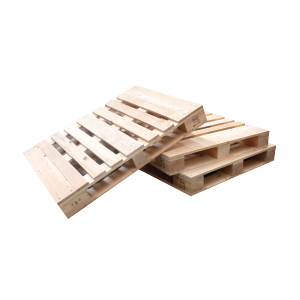

EPAL Pallet Manufacturer – In international goods distribution, shipping safety and efficiency are extremely important. One of the logistics components widely used by exporters is the EPAL export pallet. This pallet standard is widely used in many countries because its quality, dimensions, and specifications are designed to support global distribution requirements.

Many companies choose to use EPAL pallets to help maintain the safety of goods throughout international shipping. In addition to being strong and durable, EPAL pallets meet international standards that support modern export requirements.
Why EPAL Pallet Standards Are a Key Factor in Smooth Export Operations
What Is an EPAL Export Pallet?
An EPAL pallet is a European-standard wooden pallet manufactured according to the international specifications established by the European Pallet Association (EPAL). These pallets are designed to support modern logistics systems and the transportation of large quantities of goods.
Read Also: What Is an EPAL Pallet?
Understanding EPAL Pallets in the International Logistics System
EPAL pallets have standardized dimensions and construction, making them easier to use in distribution systems across different countries. This standardization allows pallets to be easily used with:
- modern warehouses
- storage racking systems
- forklifts
- pallet jacks
- shipping containers
For this reason, many companies choose standard EPAL export pallets for international logistics and distribution requirements.
EPAL Pallet Dimensions and Standards for Export
The commonly used standard EPAL pallet dimensions are:
- 1,200 x 800 mm
- high load capacity
- strong wooden construction
- compliant with ISPM 15 requirements
These standardized dimensions help make storage and shipping more efficient, particularly for large-volume export operations.
Why Are EPAL Pallets Widely Used for Export?
EPAL pallets are one of the preferred choices in the export industry because they offer several advantages compared with conventional pallets.
Meeting ISPM 15 Standards for International Shipments
One of the main reasons for using EPAL export pallets is their compliance with ISPM 15 requirements.
ISPM 15 is an international standard governing the treatment of wood packaging materials to help prevent the spread of pests between countries. Wooden pallets used for export generally need to undergo processes such as:
- Heat Treatment (HT)
- wood drying
- moisture content control
Meeting these requirements helps make international shipments safer and minimizes the risk of goods being rejected at the destination country.
Read Also: How Much Does an EPAL Pallet Cost?
Facilitating Goods Distribution and Loading and Unloading
EPAL pallets are designed to be compatible with various modern logistics equipment, including forklifts and pallet jacks.
This helps make processes such as:
- loading goods
- unloading containers
- warehouse storage
- goods distribution
faster and more efficient.
Many companies use EPAL wooden pallets because they can help improve logistics operational efficiency.
Reducing the Risk of Damage During Shipping
International shipping involves various risks, including impacts and load pressure during transportation.
With their strong and stable construction, EPAL pallets help keep goods securely positioned throughout the distribution process. The use of standardized pallets can also help reduce the risk of:
- product damage
- goods slipping
- damaged packaging
- distribution losses
Advantages of EPAL Pallets for International Goods Distribution
The use of EPAL pallets not only helps improve shipping safety but can also increase efficiency throughout the global supply chain.
Strong and Durable Pallet Construction
EPAL pallets are made from quality wood and manufactured with a construction system designed for repeated use.
This advantage makes standard international EPAL pallets suitable for industries that require intensive distribution and handling.
Suitable for Various Export Industries
EPAL pallets are used across various industrial sectors, including:
- food and beverage
- pharmaceutical
- manufacturing
- automotive
- logistics
- warehousing
The international standards applied to EPAL pallets make them suitable for a wide range of global distribution requirements.
Read Also: What Is the Function of an EPAL Pallet?
Globally Standardized Dimensions
Because EPAL pallets have internationally standardized dimensions, they can be used more easily across different distribution and warehousing systems in many countries.
This helps companies optimize storage space and shipping operations.
Industries That Commonly Use EPAL Export Pallets
Many industries use EPAL pallet suppliers to support their distribution and international shipping requirements.
Food and Beverage Industry
The food and beverage industry requires a distribution system that is safe and suitable for handling packaged products. EPAL pallets that meet export requirements can help maintain product stability and safety during transportation.
Pharmaceutical and Manufacturing Industries
Pharmaceutical and manufacturing products require a high level of distribution stability to minimize the risk of damage during handling and transportation.
The use of international EPAL pallets can help maintain product safety throughout the logistics process.
Warehousing and Logistics Distribution
Modern warehouses use EPAL pallets because they are compatible with storage racking systems and various material-handling equipment.
This helps improve the efficiency of goods storage, handling, and distribution.
Tips for Choosing EPAL Pallets for Export Requirements
Before purchasing pallets for export purposes, it is important to ensure that their quality and standards match your international distribution requirements.
Make Sure the Pallet Uses Quality Wood
Choose pallets made from strong and durable wood so they can withstand the loads involved in transportation and distribution.
Choose Pallets with ISPM 15 Certification
Make sure the pallets have undergone Heat Treatment and meet international export requirements.
Match the Pallet to Distribution and Container Requirements
The pallet dimensions should match your warehouse, container, and logistics system requirements.
For international distribution requirements, many companies choose EPAL pallets based on their industry specifications and required load capacity.
EPAL Pallets for Industrial and Export Requirements
BMR Pallets provides standard EPAL pallets for international export requirements for industrial, logistics, and international shipping needs.
The EPAL pallets supplied are designed to help make distribution processes safer, more efficient, and aligned with global standards.
Conclusion
EPAL pallets are widely chosen by exporters because they offer standardized specifications, strong construction, durability, and suitability for global distribution requirements.
In addition to helping improve logistics efficiency, the use of EPAL pallets can help reduce the risk of product damage during international transportation.
For companies involved in export and distribution, EPAL pallets can be an effective logistics solution to support the safety and smooth flow of goods across international borders.

