
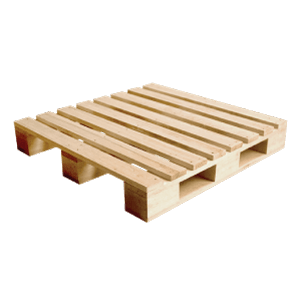


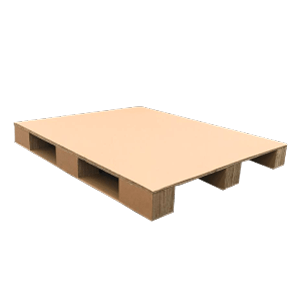

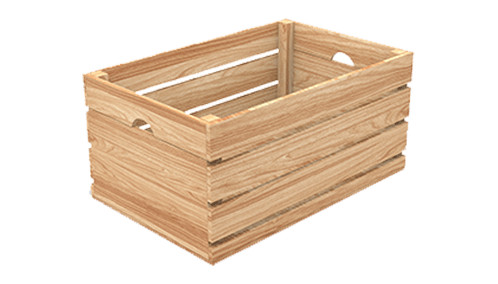
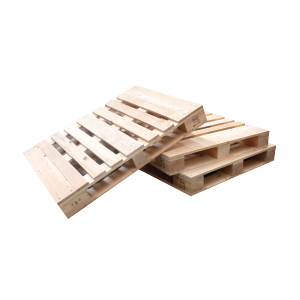

Export Pallets – ISPM 15 is an international standard used to regulate the treatment of wood materials for export and cross-border distribution. This standard applies to various types of wooden packaging such as wooden pallets, wooden boxes, wooden crates, and dunnage used in international shipping.

Currently, many countries around the world require the use of wood materials that meet ISPM 15 standards to prevent the spread of pests and harmful organisms between countries. Therefore, export companies need to ensure that the wooden pallets they use comply with international regulations before the shipping process begins.
What Is ISPM 15?
ISPM 15 stands for:
International Standards for Phytosanitary Measures No. 15
This standard was created by the IPPC (International Plant Protection Convention) to regulate the treatment of wood used in international trade.
The main purpose of ISPM 15 is to prevent the spread of:
- termites,
- larvae,
- wood-boring beetles,
- insects,
- and other wood-destroying organisms
through exported wood materials.
Therefore, wood materials such as pallets and wooden packaging usually need to undergo treatment before being used for international distribution.
In modern export practices, the use of standard export wooden pallets has become a common requirement in various industries.
Also Read: What Is the Difference Between HT Pallets and Fumigation?
Why Do Countries Require ISPM 15?
Many countries apply ISPM 15 regulations to protect ecosystems and the agricultural sector from the spread of foreign organisms through imported wood materials.
Untreated raw wood may carry:
- insects,
- pest eggs,
- fungi,
- and other harmful organisms.
If these organisms enter the destination country, they may affect:
- the agricultural sector,
- forestry,
- and the local environment.
Therefore, the use of wooden pallets that have undergone heat treatment or fumigation is an important part of the international trade system.
List of Countries That Require ISPM 15
Currently, most export destination countries require the use of wood materials that meet ISPM 15 standards.
These countries generally require wooden pallets to have:
- ISPM 15 treatment,
- IPPC marking,
- and treatment codes such as HT or MB.
Here are some countries that require ISPM 15:
| Country | ISPM 15 Required |
| United States | Yes |
| Canada | Yes |
| Australia | Yes |
| Japan | Yes |
| South Korea | Yes |
| China | Yes |
| New Zealand | Yes |
| India | Yes |
| European Union Countries | Yes |
In addition to the countries above, many other countries also apply similar regulations to imported wood materials.
United States
The United States requires all imported wood materials to meet ISPM 15 standards to prevent the spread of wood pests from other countries.
Wooden pallets without IPPC marking may result in:
- rejected goods,
- additional inspections,
- or quarantine at the port of entry.
Therefore, exporters generally use wooden pallets with an IPPC mark for shipments to the United States.
Australia
Australia has very strict biosecurity regulations for imported wood materials.
The country conducts strict inspections to ensure that wood materials are free from harmful organisms that could damage the environment and local agricultural sector.
Therefore, the use of heat treatment pallets is an important requirement for international distribution to Australia.
Japan
Japan also applies ISPM 15 standards to imported wooden pallets and wooden packaging.
Wood materials without treatment may be rejected or subject to quarantine measures by Japanese authorities.
For distribution to Japan, many companies use HT wooden pallets to make shipments safer and comply with regulations.
European Union Countries
European Union countries require the use of wooden pallets that meet ISPM 15 standards for imports and international distribution.
Therefore, companies exporting to Europe need to ensure that the wooden pallets they use have an official IPPC mark.
The use of ISPM 15 certified wooden pallets helps reduce the risk of distribution issues in the destination country.
Do All Countries Require ISPM 15?
Not all countries have the same regulations. However, most major export destination countries currently apply ISPM 15 standards to imported wood materials.
Because regulations may change from time to time, export companies should always check the latest requirements of the destination country before shipping.
In modern industry practices, the use of HT-treated wooden pallets has become a common standard to avoid the risk of international distribution issues.
Risks of Using Non-ISPM 15 Pallets
Using wooden pallets without ISPM 15 standards can cause various issues during the international export process.
Some common risks include:
- rejected goods,
- quarantine processes,
- distribution delays,
- additional costs,
- and even re-export of goods.
In some cases, the destination country may also require the destruction of wood materials that do not meet regulations.
Therefore, the use of industrial wooden pallet solutions for export needs should consider the legality of the treatment and IPPC marking.
How to Know if a Pallet Is ISPM 15 Compliant
Wooden pallets that meet ISPM 15 standards usually have an IPPC marking or stamp on the side of the pallet.
The marking generally contains:
- IPPC logo,
- country code,
- manufacturer registration number,
- and treatment code.
Example of marking:
IPPC
ID-135
HT
Description:
- ID = Indonesia country code
- 135 = manufacturer registration number
- HT = Heat Treatment
This marking is commonly found on wooden pallets for export needs used for international shipping.
The Importance of Choosing the Right Export Pallet Supplier
In international distribution, pallet quality greatly affects shipping safety and compliance with destination country regulations.
Therefore, companies need to ensure that the pallets they use:
- have an IPPC mark,
- use suitable wood materials,
- and have undergone standard ISPM 15 treatment.
BMR provides wooden pallet products for industrial and international distribution needs, including legal export wooden pallets with ISPM 15 treatment according to global shipping standards.
Supported by its production and R&D teams, BMR helps companies determine pallet specifications based on:
- product type,
- load capacity,
- handling method,
- and international distribution needs.
FAQ
What Is the Function of ISPM 15 on Wooden Pallets?
ISPM 15 is used to prevent the spread of pests and harmful organisms through wood materials in international trade.
Which Countries Require ISPM 15?
Most major export destination countries such as the United States, Australia, Japan, Canada, China, and European Union countries require ISPM 15.
Can Pallets Without ISPM 15 Be Used for Export?
Pallets without ISPM 15 are at risk of being rejected by the destination country because they do not meet international regulations.
What Does the HT Code on a Pallet Mean?
HT means Heat Treatment, which is the process of heating wood according to ISPM 15 standards.
Where Can You Buy ISPM 15 Pallets for Export?
For international distribution needs, companies can use export-grade wooden pallets that meet ISPM 15 standards and industrial shipping requirements.
Conclusion
Most major export destination countries currently require the use of wood materials that meet ISPM 15 standards to prevent the spread of pests and harmful organisms between countries.
Therefore, the use of wooden pallets that comply with ISPM 15 standards is an important part of modern international distribution processes to make shipments safer, smoother, and compliant with destination country regulations.

