
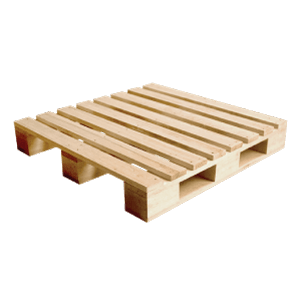


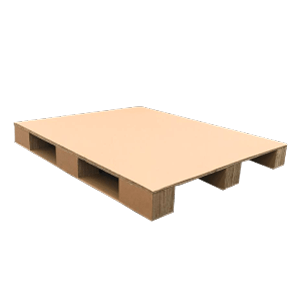

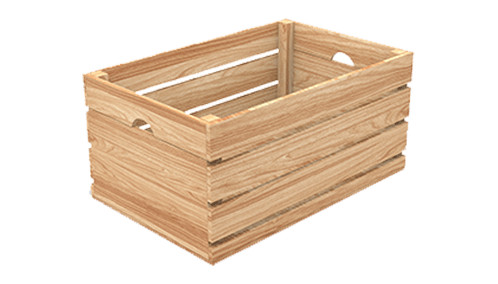
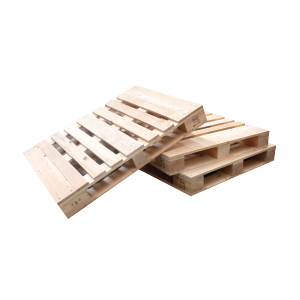

When planning international shipments, solid wood pallets are often the default choice because they are familiar to purchasing and logistics teams. However, a plywood pallet for shipping can offer different characteristics that may be suitable for specific cargo and shipping requirements.
For buyers exploring alternatives to conventional pallet materials, understanding how plywood differs from solid wood can help make the selection process more informed. Rather than viewing plywood as a direct replacement for solid wood, it is more useful to consider where its particular characteristics may provide practical advantages.
Also read “Explore the Use of Wooden Pallets for Furniture”
Why Plywood Is Often Overlooked as a Pallet Material
Most international buyers are accustomed to using solid wood pallets for transportation, storage, and export operations. Because solid wood is widely established in logistics, plywood is often overlooked even though it can serve as an alternative pallet material.
Plywood pallets have distinct characteristics because plywood is manufactured differently from conventional solid wood boards. These characteristics can make plywood relevant for shipping applications where surface consistency, pallet weight, or environmental conditions are important considerations.
Considering plywood earlier in the procurement process can also create more opportunities to match pallet construction with the requirements of the cargo. This approach allows purchasing and operations teams to evaluate packaging based on actual shipping needs rather than relying only on the most familiar pallet material.
What Makes Plywood Different From Solid Wood Pallets?
The main difference between plywood and solid wood pallets comes from how the wood material is constructed. While solid wood pallets are assembled from individual pieces of wood, plywood is made by bonding multiple layers of wood together to form a panel.
How Plywood Is Manufactured
Plywood is a layered wood product manufactured by bonding several wood veneers together. The layers are arranged and bonded to create a panel with a more consistent surface and structure than individual solid wood boards.
This construction gives plywood its characteristic combination of strength and dimensional stability. For pallet manufacturing, plywood panels can be incorporated into the pallet design to provide a continuous and relatively even surface for supporting cargo.
The manufacturing process also allows plywood to be produced as an engineered wood material rather than relying solely on the characteristics of individual solid wood boards. This distinction is important when comparing a plywood pallet vs solid wood pallet, because the two materials have different structural properties.
Strength and Stability Compared to Solid Wood
Plywood can provide a stable structure because its multiple layers are bonded together during manufacturing. The resulting panel can offer consistent support across its surface, depending on the plywood specification and overall pallet design.
Solid wood pallets, meanwhile, rely on individual boards that are assembled into the pallet structure. Their performance can vary depending on factors such as the wood material, board characteristics, dimensions, and construction quality.
Neither material should be selected based on the material name alone because pallet performance depends on the complete design and intended application. Buyers should consider load requirements, pallet dimensions, handling methods, and shipping conditions when determining the appropriate option.
Resistance to Moisture and Warping
Plywood’s layered construction can provide dimensional stability that may help reduce certain changes in shape compared with individual solid wood boards. This characteristic can be useful when pallets experience changes in environmental conditions during storage or transportation.
However, plywood should not automatically be treated as completely resistant to moisture or environmental exposure. The actual performance depends on the plywood specification, manufacturing process, pallet construction, and conditions in which the pallet will be used.
For this reason, buyers should communicate the expected operating environment to their pallet supplier before selecting a plywood specification. This helps ensure that the material and construction are aligned with the requirements of the intended shipment.
Key Benefits and Limitations of Plywood Pallets
Plywood pallets offer several characteristics that can be relevant to international shipping operations. At the same time, these advantages should be considered alongside the limitations of the material and the requirements of the cargo.
A Smoother and More Even Surface
One notable characteristic of plywood pallets is their smoother and more even surface compared with conventional solid wood pallet boards. This can be useful for shipments involving products that require a more consistent supporting surface during handling and transportation.
A continuous plywood surface can also help reduce some of the irregularities associated with individual wood boards. For sensitive products, procurement teams can therefore consider surface characteristics as one factor when selecting the appropriate pallet construction.
Potentially Lower Weight
Plywood can also be used in pallet designs where reducing pallet weight is an important consideration. Depending on the design and required load capacity, a plywood pallet may provide a relatively lightweight option for certain shipping applications.
Pallet weight contributes to the total weight of a shipment and can therefore be relevant when evaluating transportation costs. Buyers considering a lightweight export pallet material should compare the complete pallet specifications rather than evaluating the weight of the material alone.
Limitations for Extremely Heavy-Duty Loads
Plywood pallets are not automatically appropriate for every type of cargo or load requirement. Extremely heavy-duty applications require careful consideration of pallet dimensions, construction, load capacity, and handling conditions.
The suitability of a plywood pallet therefore depends on how the pallet will be used rather than simply on the fact that it is made from plywood. Buyers should provide their supplier with accurate cargo and handling information before finalizing the pallet specification.
When Plywood Pallets Are the Right Choice
Plywood pallets can be considered when their specific characteristics align with the requirements of the shipment. The following applications illustrate situations where buyers may want to evaluate plywood as part of their pallet selection process.
Shipments Requiring a Flat, Even Surface for Sensitive Products
Some products require a flat and consistent supporting surface during transportation and storage. In these situations, the smoother surface of plywood can be a relevant characteristic when comparing pallet options.
This consideration may be particularly useful when cargo is sensitive to uneven contact or surface irregularities. Procurement teams can evaluate the product’s handling requirements alongside the pallet’s surface construction before making a selection.
Cargo Where Weight Reduction Matters for Shipping Costs
For international shipments, the weight of the packaging can contribute to the overall shipment weight. When reducing unnecessary packaging weight is an operational priority, plywood may be worth considering as a pallet material depending on the required design and load capacity.
A lighter pallet can also make handling considerations relevant throughout the logistics process. However, the potential weight benefit should always be evaluated together with structural requirements to ensure that the pallet remains appropriate for the intended cargo.
Indoor or Controlled-Environment Applications
Plywood pallets may be suitable for indoor storage, warehouse operations, and other controlled environments where exposure to environmental conditions is limited. These applications allow buyers to consider the material based on its structural and surface characteristics without automatically requiring it for more demanding outdoor conditions.
The operating environment remains an important part of pallet selection regardless of the material being considered. Buyers should discuss storage and transportation conditions with their supplier to determine whether a plywood pallet is appropriate for the application.
Does Plywood Still Meet ISPM 15 Requirements?
For export shipments, international buyers should consider applicable ISPM 15 requirements when selecting wooden pallet materials. The brief specifies that ISPM 15 certification still applies to plywood pallets in the same way it does to solid wood pallets, so compliance should be confirmed with the supplier before ordering.
It is important to confirm that the supplier processes the plywood pallet according to the required standard. Buyers should also verify the relevant certification or documentation before using the pallets for export shipments.
This verification step should be included in the procurement process rather than left until the shipment is ready to depart. Confirming compliance in advance can help purchasing and export teams avoid selecting a pallet that does not meet their shipment requirements.
When evaluating suppliers, buyers can ask for information about the pallet’s manufacturing process and applicable certification. This provides a clearer basis for determining whether the supplier’s plywood pallet is suitable for the intended international shipment.
Final Thoughts: A Legitimate Alternative, Not Just a Substitute
Plywood is a legitimate pallet material that deserves consideration based on its own characteristics rather than simply as a substitute for solid wood. Its layered construction, smooth surface, dimensional characteristics, and potential weight advantages can make it relevant for specific shipping requirements.
At the same time, plywood pallets are not necessarily the right solution for every application. Extremely heavy-duty loads, environmental conditions, required load capacity, and handling methods should all be considered before selecting a pallet material.
For international purchasing teams, the most practical approach is to evaluate the pallet based on the requirements of the actual shipment. Cargo characteristics, pallet weight, load requirements, operating environment, and export compliance can all influence which pallet construction is appropriate.
If you are considering a plywood pallet for shipping, discussing your cargo requirements with an experienced supplier can help you identify an appropriate specification. BMR Pallets can provide information about plywood pallet options and help you evaluate a solution based on your specific shipping needs.
Before ordering pallets for export shipments, always confirm the applicable ISPM 15 compliance and certification requirements with your supplier. Taking these factors into account early can help your procurement team make a more informed decision when comparing plywood with conventional solid wood pallets.
Related resources: BMR’s plywood pallet service page, information about pallet wood quality, and its export pallet resources can be used as supporting internal links within the article.
hese characteristics can make plywood relevant for shipping applications where surface consistency, pallet weight, or environmental conditions are important considerations.
Considering plywood earlier in the procurement process can also create more opportunities to match pallet construction with the requirements of the cargo. This approach allows purchasing and operations teams to evaluate packaging based on actual shipping needs rather than relying only on the most familiar pallet material.
What Makes Plywood Different From Solid Wood Pallets?
The main difference between plywood and solid wood pallets comes from how the wood material is constructed. While solid wood pallets are assembled from individual pieces of wood, plywood is made by bonding multiple layers of wood together to form a panel.
How Plywood Is Manufactured
Plywood is a layered wood product manufactured by bonding several wood veneers together. The layers are arranged and bonded to create a panel with a more consistent surface and structure than individual solid wood boards.
This construction gives plywood its characteristic combination of strength and dimensional stability. For pallet manufacturing, plywood panels can be incorporated into the pallet design to provide a continuous and relatively even surface for supporting cargo.
The manufacturing process also allows plywood to be produced as an engineered wood material rather than relying solely on the characteristics of individual solid wood boards. This distinction is important when comparing a plywood pallet vs solid wood pallet, because the two materials have different structural properties.
Strength and Stability Compared to Solid Wood
Plywood can provide a stable structure because its multiple layers are bonded together during manufacturing. The resulting panel can offer consistent support across its surface, depending on the plywood specification and overall pallet design.
Solid wood pallets, meanwhile, rely on individual boards that are assembled into the pallet structure. Their performance can vary depending on factors such as the wood material, board characteristics, dimensions, and construction quality.
Neither material should be selected based on the material name alone because pallet performance depends on the complete design and intended application. Buyers should consider load requirements, pallet dimensions, handling methods, and shipping conditions when determining the appropriate option.
Resistance to Moisture and Warping
Plywood’s layered construction can provide dimensional stability that may help reduce certain changes in shape compared with individual solid wood boards. This characteristic can be useful when pallets experience changes in environmental conditions during storage or transportation.
However, plywood should not automatically be treated as completely resistant to moisture or environmental exposure. The actual performance depends on the plywood specification, manufacturing process, pallet construction, and conditions in which the pallet will be used.
For this reason, buyers should communicate the expected operating environment to their pallet supplier before selecting a plywood specification. This helps ensure that the material and construction are aligned with the requirements of the intended shipment.
Key Benefits and Limitations of Plywood Pallets
Plywood pallets offer several characteristics that can be relevant to international shipping operations. At the same time, these advantages should be considered alongside the limitations of the material and the requirements of the cargo.
A Smoother and More Even Surface
One notable characteristic of plywood pallets is their smoother and more even surface compared with conventional solid wood pallet boards. This can be useful for shipments involving products that require a more consistent supporting surface during handling and transportation.
A continuous plywood surface can also help reduce some of the irregularities associated with individual wood boards. For sensitive products, procurement teams can therefore consider surface characteristics as one factor when selecting the appropriate pallet construction.
Potentially Lower Weight
Plywood can also be used in pallet designs where reducing pallet weight is an important consideration. Depending on the design and required load capacity, a plywood pallet may provide a relatively lightweight option for certain shipping applications.
Pallet weight contributes to the total weight of a shipment and can therefore be relevant when evaluating transportation costs. Buyers considering a lightweight export pallet material should compare the complete pallet specifications rather than evaluating the weight of the material alone.
Limitations for Extremely Heavy-Duty Loads
Plywood pallets are not automatically appropriate for every type of cargo or load requirement. Extremely heavy-duty applications require careful consideration of pallet dimensions, construction, load capacity, and handling conditions.
The suitability of a plywood pallet therefore depends on how the pallet will be used rather than simply on the fact that it is made from plywood. Buyers should provide their supplier with accurate cargo and handling information before finalizing the pallet specification.
When Plywood Pallets Are the Right Choice
Plywood pallets can be considered when their specific characteristics align with the requirements of the shipment. The following applications illustrate situations where buyers may want to evaluate plywood as part of their pallet selection process.
Shipments Requiring a Flat, Even Surface for Sensitive Products
Some products require a flat and consistent supporting surface during transportation and storage. In these situations, the smoother surface of plywood can be a relevant characteristic when comparing pallet options.
This consideration may be particularly useful when cargo is sensitive to uneven contact or surface irregularities. Procurement teams can evaluate the product’s handling requirements alongside the pallet’s surface construction before making a selection.
Cargo Where Weight Reduction Matters for Shipping Costs
For international shipments, the weight of the packaging can contribute to the overall shipment weight. When reducing unnecessary packaging weight is an operational priority, plywood may be worth considering as a pallet material depending on the required design and load capacity.
A lighter pallet can also make handling considerations relevant throughout the logistics process. However, the potential weight benefit should always be evaluated together with structural requirements to ensure that the pallet remains appropriate for the intended cargo.
Indoor or Controlled-Environment Applications
Plywood pallets may be suitable for indoor storage, warehouse operations, and other controlled environments where exposure to environmental conditions is limited. These applications allow buyers to consider the material based on its structural and surface characteristics without automatically requiring it for more demanding outdoor conditions.
The operating environment remains an important part of pallet selection regardless of the material being considered. Buyers should discuss storage and transportation conditions with their supplier to determine whether a plywood pallet is appropriate for the application.
Does Plywood Still Meet ISPM 15 Requirements?
For export shipments, international buyers should consider applicable ISPM 15 requirements when selecting wooden pallet materials. The brief specifies that ISPM 15 certification still applies to plywood pallets in the same way it does to solid wood pallets, so compliance should be confirmed with the supplier before ordering.
It is important to confirm that the supplier processes the plywood pallet according to the required standard. Buyers should also verify the relevant certification or documentation before using the pallets for export shipments.
This verification step should be included in the procurement process rather than left until the shipment is ready to depart. Confirming compliance in advance can help purchasing and export teams avoid selecting a pallet that does not meet their shipment requirements.
When evaluating suppliers, buyers can ask for information about the pallet’s manufacturing process and applicable certification. This provides a clearer basis for determining whether the supplier’s plywood pallet is suitable for the intended international shipment.
Final Thoughts: A Legitimate Alternative, Not Just a Substitute
Plywood is a legitimate pallet material that deserves consideration based on its own characteristics rather than simply as a substitute for solid wood. Its layered construction, smooth surface, dimensional characteristics, and potential weight advantages can make it relevant for specific shipping requirements.
At the same time, plywood pallets are not necessarily the right solution for every application. Extremely heavy-duty loads, environmental conditions, required load capacity, and handling methods should all be considered before selecting a pallet material.
For international purchasing teams, the most practical approach is to evaluate the pallet based on the requirements of the actual shipment. Cargo characteristics, pallet weight, load requirements, operating environment, and export compliance can all influence which pallet construction is appropriate.
If you are considering a plywood pallet for shipping, discussing your cargo requirements with an experienced supplier can help you identify an appropriate specification. BMR Pallets can provide information about plywood pallet options and help you evaluate a solution based on your specific shipping needs.
Before ordering pallets for export shipments, always confirm the applicable ISPM 15 compliance and certification requirements with your supplier. Taking these factors into account early can help your procurement team make a more informed decision when comparing plywood with conventional solid wood pallets.
Related resources: BMR’s plywood pallet service page, information about pallet wood quality, and its export pallet resources can be used as supporting internal links within the article.
Why Plywood Is Often Overlooked as a Pallet Material
Most international buyers are already familiar with solid wood pallets. Because they are widely used in warehouses, transportation, and export logistics, they often become the automatic choice when selecting a pallet material.
Plywood, on the other hand, is less frequently considered as a pallet material.
The difference is largely related to construction. Unlike a pallet made from individual solid wood boards, plywood is manufactured from multiple layers of wood that are bonded together. This layered construction gives plywood different structural characteristics from conventional solid wood.
For certain shipping requirements, these characteristics can be useful.
For example, cargo that needs a smoother and more even supporting surface may benefit from plywood construction. Similarly, shipments where pallet weight affects handling or transportation costs may warrant consideration of a plywood option.
The important point is not to treat plywood as universally better than solid wood. Instead, buyers should understand the differences between the two materials and determine whether those characteristics match the requirements of their shipment.
What Makes Plywood Different From Solid Wood Pallets?
How Plywood Is Manufactured
Plywood is produced by bonding multiple layers, or veneers, of wood together. The layers are arranged and bonded to form a panel with a more uniform structure than individual solid wood boards.
This layered construction is one of the defining characteristics of plywood pallets.
Rather than relying on separate boards alone, the pallet’s deck or other components can use plywood panels to provide a continuous, even surface. The resulting construction gives plywood pallets a distinct profile compared with conventional solid wood pallets.
Strength and Stability Compared to Solid Wood
The layered structure of plywood can provide strength and dimensional stability for pallet applications.
With solid wood, the characteristics of individual boards can vary depending on the wood itself, grain direction, moisture content, and other factors. Plywood is manufactured as an engineered wood product, allowing its layers to be bonded into a consistent panel.
This can make plywood suitable for shipping applications where structural consistency and a stable supporting surface are important.
However, pallet performance still depends on factors such as design, dimensions, construction quality, and the intended load. A plywood pallet should therefore be selected according to the actual cargo requirements rather than based on material alone.
Resistance to Moisture and Warping
Another characteristic worth considering is plywood’s dimensional stability.
Because plywood consists of bonded layers with different grain orientations, its construction can help reduce certain dimensional changes compared with individual solid wood boards. This can be relevant when pallets are exposed to changes in environmental conditions.
However, plywood should not be treated as completely waterproof or immune to moisture-related damage. The actual performance depends on the plywood specification, manufacturing process, and operating environment.
For that reason, buyers should match the plywood pallet specification with the conditions in which the pallet will be stored, handled, and transported.
Key Benefits and Limitations of Plywood Pallets
A plywood pallet can offer several practical characteristics that may be relevant to shipping operations.
A smoother, more even surface
One of the most noticeable differences is the surface.
Plywood panels can provide a smoother and more even supporting surface than conventional solid wood pallet boards. This can be useful for cargo that may be more susceptible to scratches, uneven contact, or surface irregularities.
For products where the pallet surface is an important part of load protection, this characteristic can be worth considering during procurement.
Potentially lower pallet weight
Depending on the pallet design and load capacity, plywood can also be used to create a relatively lightweight pallet.
Lower pallet weight can matter in shipping because the pallet itself contributes to the total shipment weight. For operations where every kilogram affects handling or transportation costs, using a lightweight export pallet material may provide an opportunity to optimize the overall packaging configuration.
The actual weight advantage, however, depends on the pallet’s dimensions, construction, and required load capacity. Buyers should compare complete pallet specifications rather than material weight alone.
Limitations for extremely heavy-duty applications
Plywood pallets are not automatically suitable for every type of cargo.
For extremely heavy-duty loads, buyers need to carefully evaluate the pallet’s construction, load rating, dimensions, and intended handling conditions. A plywood pallet should be specified according to the application instead of assuming that its material characteristics alone determine its performance.
This is where a direct plywood pallet vs solid wood pallet comparison becomes useful: neither material should be selected without considering the requirements of the actual shipment.
When Plywood Pallets Are the Right Choice
Plywood can be particularly worth considering when the characteristics of the material align with the shipping application.
Shipments Requiring a Flat, Even Surface
If the cargo requires a smoother and more consistent supporting surface, plywood may be an appropriate option.
This can be relevant for products where direct contact with uneven or rough pallet boards could create handling or surface-protection concerns.
Cargo Where Weight Reduction Matters for Shipping Costs
Pallet weight becomes part of the overall shipment weight.
For export operations where transportation costs are influenced by shipment weight, a pallet design that reduces unnecessary packaging weight may be worth evaluating. Plywood can serve as a lightweight export pallet material depending on the specific design and load requirements.
Indoor or Controlled-Environment Applications
Plywood pallets can also be considered for indoor storage, warehouse operations, and other controlled environments where the pallet is not expected to face prolonged exposure to harsh outdoor conditions.
As with any pallet material, the operating environment should be considered when determining the appropriate specification.
Does Plywood Still Meet ISPM 15 Requirements?
For international shipments, compliance is an important part of pallet selection.
Plywood pallet ISPM 15 requirements should be confirmed before ordering for export shipments. The brief for this article specifically emphasizes that ISPM 15 considerations still apply to plywood pallets, just as they do to solid wood pallets.
However, buyers should not rely solely on the material name.
Before placing an export order, confirm that the supplier processes the plywood pallet according to the applicable requirements and can provide the necessary certification or documentation. Verification is particularly important when pallets are intended to cross international borders.
For procurement teams, this step should be part of the supplier evaluation process—not something checked only after the pallets have been manufactured.
Final Thoughts: A Legitimate Alternative, Not Just a Substitute
Plywood pallets deserve consideration as more than simply a substitute for solid wood.
Their layered construction, smoother surface, dimensional characteristics, and potential weight advantages can make them relevant for specific shipping requirements. At the same time, their limitations should be considered, particularly when dealing with extremely heavy-duty applications.
The right approach is to start with the shipment requirements: cargo characteristics, required load capacity, shipping environment, pallet weight, handling method, and export compliance.
Once these factors are understood, buyers can determine whether plywood is appropriate for their operation.
For international shipments, always confirm ISPM 15 compliance and certification with your pallet supplier before ordering.
If you are exploring plywood pallet options for your specific shipping requirements, BMR Pallets can help you evaluate the appropriate pallet solution based on your cargo and application.

Buy Plywood Pallets from BMR Pallets Now!
BMR Pallets is a trusted plywood pallet manufacturer in Indonesia that offers internationally certified plywood pallets. Our pallet products are always made from high-quality plywood materials and are produced using modern technology.
Contact us now at +62 817-200-135 for more information and to place an order. For more details about plywood pallets, visit us at https://bmr-pallets.com.


