
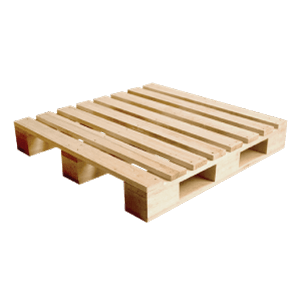


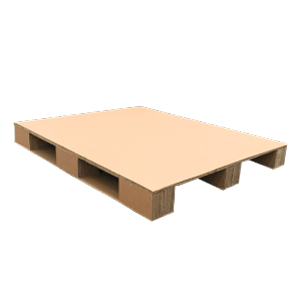

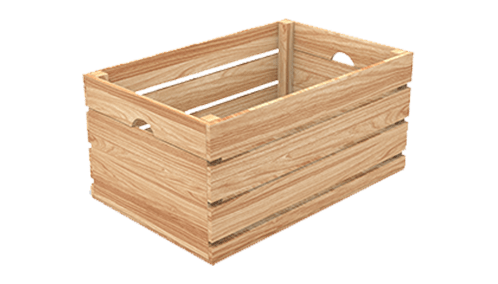
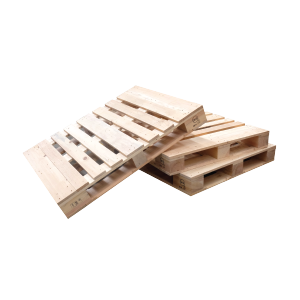

ISPM 15 is an international standard that regulates the treatment of wood materials for export and cross-border distribution. This standard is used for various wood packaging materials such as wooden pallets, wooden crates, dunnage, and other wooden packaging used in international shipping.
In the logistics and manufacturing industries, ISPM 15 is an important part of the export process because it aims to prevent the spread of pests and harmful organisms through wood materials. Using pallets without the ISPM 15 standard can result in goods being rejected, quarantine, and distribution problems in the destination country.

Definition of ISPM 15
ISPM 15 stands for:
International Standards for Phytosanitary Measures No. 15
This standard was created by IPPC (International Plant Protection Convention) to regulate the treatment of wood used in international trade.
The main purpose of ISPM 15 is to prevent the spread of:
- insects,
- larvae,
- termites,
- wood-boring beetles,
- and other wood-damaging organisms
between countries through exported wood materials.
Therefore, wood materials used for international shipping generally need to go through a specific treatment process before use.
Functions of ISPM 15 for Export Pallets
ISPM 15 has an important function in international distribution systems, especially for shipments using wooden pallets and other wood packaging.
This standard helps ensure that wood materials used in the export process are safe and comply with the regulations of the destination country.
Some of the main functions of ISPM 15:
- prevent the spread of wood pests,
- meet international export regulations,
- reduce quarantine risks,
- prevent goods from being rejected,
- and improve global distribution safety.
In modern export practices, the use of Export Wooden Pallets with the ISPM 15 standard has become a common requirement in various industries.
Why Do Wooden Pallets Need Heat Treatment?
Natural wood materials can become a habitat for various harmful organisms such as insects and wood larvae. Therefore, wooden pallets for export need to go through a treatment process before being used for international distribution.
One of the most commonly used treatment methods is:
Heat Treatment (HT)
In this process, wood materials are heated according to ISPM 15 standards to kill harmful organisms.
General Heat Treatment standards:
Wood materials are heated to a minimum temperature of 56°C for at least 30 minutes according to ISPM 15 standards.
The HT method is more widely used because:
- it does not use chemicals,
- it is more environmentally friendly,
- and it is more suitable for modern international regulations.
The use of HT Export Wooden Pallets is also more common than fumigation methods.
Also Read: How to Calculate Pallet Requirements for Export
Meaning of the IPPC Code on ISPM 15 Pallets
Wooden pallets that meet ISPM 15 standards usually have an IPPC marking or stamp on the side of the pallet.
This mark indicates that the pallet has undergone treatment according to international regulations.
Here is an example of the code structure on an ISPM 15 pallet:
| Code | Meaning |
| IPPC | International Plant Protection Convention |
| ID | Country of origin code |
| 135 | Manufacturer registration number |
| HT | Heat Treatment |
Example of marking:
IPPC
ID-135
HT
This marking is usually found on ISPM 15 Export Wooden Pallets used for international shipping.
Countries That Require ISPM 15
Many countries have required the use of wood materials that meet ISPM 15 standards for imports and international distribution.
Some countries and regions that apply this regulation include:
- United States,
- Canada,
- Australia,
- Japan,
- South Korea,
- China,
- European Union,
- and many other countries.
Therefore, using non-ISPM 15 pallets can cause various problems during the export process.
Risks of Using Non-ISPM 15 Pallets
Using pallets without the ISPM 15 standard can cause problems in the international distribution process.
Common risks include:
- goods being rejected at the port,
- quarantine procedures,
- shipping delays,
- additional costs,
- and even re-export of goods.
In some cases, the destination country may also require the destruction of wood materials that do not meet ISPM 15 standards.
Therefore, the use of Wooden Pallets for export purposes should consider the legality of the treatment and IPPC marking.
Differences Between HT and MB in ISPM 15
Under the ISPM 15 standard, there are several treatment methods commonly used for export wooden pallets.
The two most common treatment codes are:
- HT,
- and MB.
| Code | Meaning | Method |
| HT | Heat Treatment | Wood heating |
| MB | Methyl Bromide | Chemical fumigation |
Currently, the HT method is more widely used because it is considered safer and more environmentally friendly than methyl bromide fumigation.
The use of Export Wooden Pallets with HT treatment is also more suitable for modern distribution needs.
The Importance of Choosing the Right Export Pallet Supplier
In the international distribution process, pallet quality greatly affects shipping safety and compliance with export regulations.
Therefore, companies need to ensure that the pallets they use:
- have an IPPC marking,
- use suitable wood materials,
- and have undergone standard ISPM 15 treatment.
PT BMR provides Wooden Pallets for industrial and international distribution needs, including Export Wooden Pallets with ISPM 15 treatment according to global shipping standards.
Supported by production and R&D teams, BMR helps companies determine pallet specifications according to handling needs, load capacity, and international distribution systems.
FAQ
What Does ISPM 15 Mean for Wooden Pallets?
ISPM 15 is an international standard that regulates the treatment of wood materials for export and international distribution needs.
What Is the Function of the IPPC Mark on Pallets?
The IPPC mark indicates that the pallet has undergone treatment according to ISPM 15 standards and is safe to use for international shipping.
Do All Export Pallets Have to Meet ISPM 15?
For many export destination countries, the use of ISPM 15 wooden pallets is a mandatory requirement for international distribution.
What Does the HT Code on Pallets Mean?
HT means Heat Treatment, which is the process of heating wood to kill harmful organisms in the wood material.
Where Can You Buy ISPM 15 Pallets for Export?
For international distribution needs, companies can use Export Wooden Pallets according to ISPM 15 standards and industrial shipping needs.
Conclusion
ISPM 15 is an international standard used to regulate the treatment of wood materials for export and cross-border distribution. This standard aims to prevent the spread of pests and harmful organisms through wood materials such as pallets and other wood packaging.
In modern distribution practices, the use of Export Wooden Pallets with ISPM 15 treatment is an important part of ensuring that the shipping process runs safely, efficiently, and in compliance with international regulations.

