




Pallets are often overlooked, but when the stock runs out, packaging and shipping processes can also come to a halt. Even a small delay in this area can affect shipping schedules and customer satisfaction.
Why Should Companies Prepare Backup Pallet Stock?
Backup stock serves as a buffer when pallet demand exceeds expectations. A surge in orders, delayed supplier deliveries, or pallets that fail inspection can use up inventory faster than planned.
If stock runs out, stuffing and shipping processes can be delayed, while urgent purchases take up the time of purchasing and warehouse teams. On the other hand, excessive stock takes up warehouse space and ties up capital. Therefore, the amount of backup stock needs to be balanced.
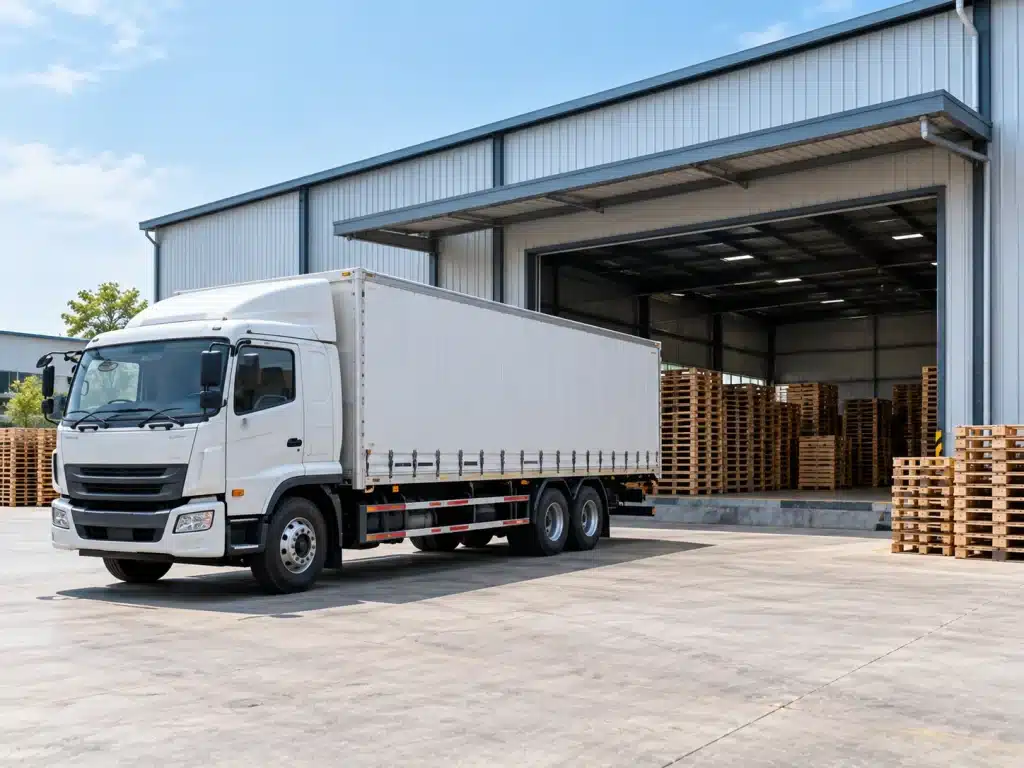
Factors That Determine the Amount of Backup Pallet Stock
There are five things you need to consider as follows:
1. Demand Patterns and Peak Seasons
Use monthly shipping volume data as the main basis for your calculation. Also consider peak seasons, production plans, and new contracts, because an increase in demand is usually followed by an increase in pallet requirements. Exporters should also record shipping schedules, as pallets must be ready before stuffing.
2. Supplier Lead Time
Lead time is the period from when an order is placed until the pallets arrive at the warehouse. A longer period means a larger pallet reserve is needed to maintain supply while waiting for the shipment.
Lead time is also affected by the pallet production process, including raw material selection, drying, cutting, joining, assembly, quality control, Heat Treatment, packing, and delivery.
For orders with special specifications, this time needs to be calculated from the beginning of the planning process. Learn more about the wooden pallet production process.
3. Damage and Reject Rates
Pallets can be damaged during handling or may not meet specifications during inspection. Record the number of damaged or rejected pallets over the past several months, then use this as an additional margin when calculating stock requirements.
4. Types of Pallets Used
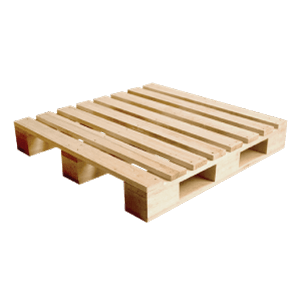
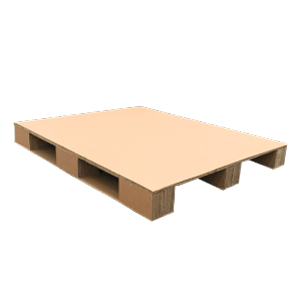
ISPM 15 pallets for export, EPAL pallets, ASRS pallets, and custom pallets have different lead times. Pallets with special sizes or load capacities should be ordered well in advance because they are made according to specifications.
Custom ISPM 15 wooden pallets from BMR Pallets are available in various sizes and specifications, including 2-way and 4-way types, for industrial, warehouse, and export needs.
5. Warehouse Capacity and Storage System
Storage space is the upper limit for the amount of stock that can be stored. Warehouses with a pallet racking system place pallets on metal racks arranged vertically and horizontally. Room height and the number of rack slots determine the capacity for storing backup pallets.
Pallet size must also be suitable for the racks and forklifts. According to the guide on tips for choosing pallets for warehouses, load capacity and size compatibility are important factors because unsuitable pallets can become damaged and increase the risk of workplace accidents in the warehouse.
How to Calculate Backup Pallet Stock
A simple safety stock formula can be used as a starting point and then adjusted according to your pallet usage data. The steps are:
- Calculate the average pallet usage per week based on data from the past 3 to 6 months.
- Record the average lead time and the longest lead time from the supplier, in weeks.
- Determine the highest weekly usage during the busiest period.
- Calculate safety stock: (maximum usage × maximum lead time) − (average usage × average lead time).
- Add a margin for rejected or damaged pallets based on historical data.
For example, a warehouse uses an average of 300 pallets per week, with the highest usage being 450 pallets per week. The supplier’s average lead time is 2 weeks and the longest lead time is 3 weeks.
The calculation is: (450 × 3) − (300 × 2), resulting in 750 pallets. If the reject rate is around 5%, the backup stock becomes approximately 788 pallets.
However, this figure is only an illustration. The actual amount depends on your company’s data. It should be reviewed regularly because demand patterns and lead times can change.
How to Maintain the Quality and Layout of Pallet Stock in the Warehouse
1. Storage Conditions
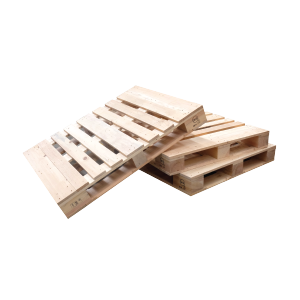
Store wooden pallets in a dry, covered area with stacks that are level and stable. For example, BMR pallet wood is dried to a moisture content below 20% to reduce the risk of warping, mold, or decay.
2. Rotation and Regular Inspection
Apply FIFO (first in, first out) rotation so older pallets are used first. Do not forget to check their physical condition regularly.
For export pallets, make sure the HT mark and IPPC logo remain legible. These marks are applied after Heat Treatment and serve as evidence of compliance with ISPM 15 standards.
3. Warehouse Layout
Organized forklift routes and stock areas help teams quickly retrieve backup pallets. Proper organization also speeds up goods distribution in the warehouse and reduces daily handling obstacles.
Read more in the article about pallet racking warehouses.
Determining Backup Pallet Stock with the Supplier
A smooth supply from the supplier also determines how much backup stock you need to keep yourself. Suppliers with large capacity and stable lead times allow you to maintain a smaller reserve.
Like BMR Pallets, which has three production facilities in Karawang, Boyolali, and Gresik with a capacity of more than 100,000 pallets per month. For wood drying, BMR has 15 kiln-dry chambers with a capacity of 2,250 m³ per cycle, verified by Indonesian Quarantine.
All export pallets undergo Heat Treatment at BMR’s own factory and are not outsourced to third parties. Deliveries are handled by more than 10 BMR-owned fleet units, and the raw materials come from legal wood suppliers.
Calculate Your Backup Pallet Stock Now!
Determine the amount of backup pallet stock based on demand patterns, supplier lead time, reject rates, pallet types, and warehouse capacity. Use the safety stock formula as a starting point, then adjust it based on your company’s historical data to make the reserve amount more accurate.
Don’t let a pallet shortage disrupt your production and shipping schedules. Let’s consult your pallet requirements with the BMR Pallets team to determine the specifications, quantity, and supply that match your company’s operational patterns!
FAQ
Is There a Standard Formula for Calculating Backup Pallet Stock?
The safety stock formula can be used as a starting point: (maximum usage × maximum lead time) − (average usage × average lead time). The result should be adjusted based on your company’s usage data, lead time, and reject rate.
What Are the Risks of Storing Too Many Pallets?
Excess stock takes up warehouse space and ties up capital in inventory. Wooden pallets stored for a long time without proper storage conditions can also lose quality.
How Should Wooden Pallets Be Stored to Prevent Mold?
Store pallets in a dry, covered area, stack them evenly and stably, then apply FIFO rotation and check their physical condition regularly.
Does Export Pallet Stock Need to Be Treated Differently from Domestic Pallet Stock?
Yes. Export pallets must meet ISPM 15 standards and bear the HT mark and IPPC logo. These marks must remain legible while the pallets are stored. Stock planning should follow the shipping schedule so that pallets are ready before stuffing.
When Should Custom Pallet Orders Be Submitted to the Supplier?
Submit orders as early as possible, once the size and load capacity have been determined. Production time depends on specifications, quantity, and delivery schedule. Therefore, consult with the supplier’s team from the beginning to determine the right ordering time.
Baca juga: Indonesian Export Wooden Pallet Supplier (ISPM 15 Certified Manufacturer)
📅 Last updated:

