






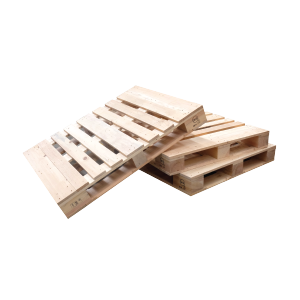

In today’s era of globalization, international trade has become a necessity. In this trade process, goods are often moved using pallets as handling equipment. A pallet is a platform or base used to collect, store, handle, and transfer goods or cargo.
However, not all pallets can be used to move goods for export or import. As a company, it is important to use certified pallets to avoid the risk of rejection by export and import authorities.
Also Read “Improving Supply Chain Operations in the F&B Industry with EPAL Pallets“
What Are the Risks of Using Uncertified Pallets?
Ignoring the use of certified pallets in the export and import process can have serious consequences. The risk of rejection by export and import authorities is one of the possible impacts. Here are some of the risks that may occur:
Goods Fail to Pass Inspection
Local authorities have the right to inspect goods entering and leaving the country. If the pallets used do not have the required certification, there is a possibility that the goods will not pass inspection. This can result in significant financial losses for the company.
Risk to Public Health
The risk of uncertified pallets also includes their potential to spread pests and diseases. For example, wooden pallets can become a habitat for insect pests that can harm plants or carry certain diseases. This is certainly a serious concern for export and import authorities, considering their important role in protecting public health and the country’s ecosystem.
Shipping Delays
Another risk of using uncertified pallets is rejection by authorities when shipping goods. This means that the goods you are shipping may fail inspection and their shipment may be delayed. Every delay can result in losses of both time and money.
Penalties and Fines
If the pallets used do not meet the required standards, companies may face penalties and fines. In some serious cases, companies may even have their export and import licenses suspended.
To avoid these risks, companies should use pallets with international certification, such as ISPM 15 (International Standards for Phytosanitary Measures No. 15), which functions to prevent the spread of pests and diseases through wooden pallets.
In short, using certified pallets is not only about compliance but also about protecting the company from potential losses and other negative impacts. Therefore, it is important for companies to always be careful when selecting pallets for the export and import of goods.
In this context, BMR can be an ideal solution for companies looking for quality and certified pallets. As one of the licensed pallet providers, BMR offers products that meet international standards, such as ISPM Pallets and EPAL Pallets.
The ISPM Pallets offered by BMR meet the requirements of International Standards for Phytosanitary Measures No. 15 (ISPM 15). This means that these pallets have undergone pest treatment according to internationally determined standards, helping minimize the risk of rejection due to public health and environmental concerns.
Also Read “Improving Efficiency Using EPAL Pallets in E-commerce“
Meanwhile, EPAL Pallets are high-quality pallets accredited by the European Pallet Association (EPAL). They are designed and manufactured according to EPAL’s strict standards, which ensure the strength and durability of the products. This type of pallet is ideal for shipping heavy goods and for long-term use.
Interestingly, BMR pallets not only provide quality assurance but also significant added value for businesses. Choosing certified pallets from BMR means prioritizing reliability, sustainability, and international cooperation. Therefore, choosing BMR in this case is not simply about choosing a product, but also about choosing a partner that can help optimize and facilitate your export and import needs.
By partnering with BMR, your company can reduce the risk of rejection and other obstacles during the export and import process. So, what are you waiting for? Choose quality and certified pallets from BMR as a proactive step to protect your business from unnecessary risks.

