
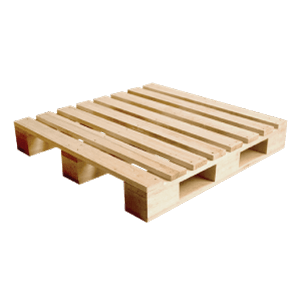


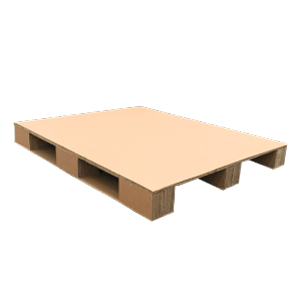

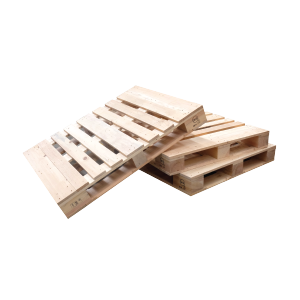

Export Wooden Pallets – In international export activities, many companies focus on product quality, shipping documents, and distribution schedules. However, many exporters still overlook one important factor that can actually cause shipment problems, namely the use of non-ISPM 15 wooden pallets.
In many export destination countries, wooden materials are strictly inspected by quarantine authorities. If pallets do not meet international standards, goods may be held at the port, undergo additional inspections, or even be denied entry into the destination country.
This issue is not simply about wooden pallets. Its impact can affect operational costs, company reputation, and even business relationships with international buyers. Therefore, understanding the risks of non-ISPM 15 pallets is very important for companies that regularly export.

What Is ISPM 15?
ISPM 15 is an international standard for wooden materials used for export purposes. This regulation was created to prevent the spread of insects, fungi, and harmful organisms through wooden packaging between countries.
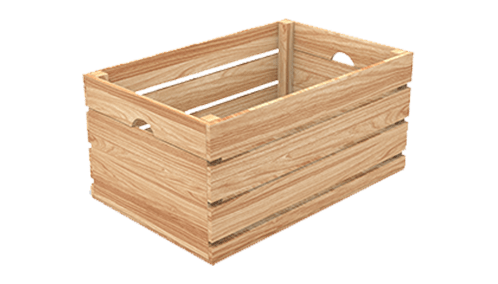
This standard applies to various wooden materials such as pallets, crates, wooden boxes, and dunnage. Because natural wood can become a place for certain organisms to live, wooden materials must undergo treatment before being used for international shipments.
Also Read : What Is ISPM 15 for Wooden Pallets?
In general, ISPM 15 pallets undergo processes such as Heat Treatment (HT) or fumigation before receiving official marking according to international standards.
Currently, the use of ISPM 15 Pallets has become an important requirement in the modern export industry because many countries implement strict biosecurity regulations.
Risks of Using Non-ISPM 15 Pallets for Export
Using non-ISPM 15 pallets can create various serious risks in international export activities. Many companies only realize the importance of pallet standards after their shipments encounter problems in the destination country.
In addition to causing distribution delays, the use of non-standard pallets can also increase operational costs and affect the company’s reputation among international buyers.
Goods Rejected in the Destination Country
The biggest risk of using non-ISPM 15 pallets is the rejection of goods by the destination country. Many countries have strict regulations for imported wooden materials to prevent harmful organisms from entering their territory.
If a pallet does not have an official ISPM 15 marking, quarantine authorities can immediately hold or reject the shipment. In some cases, the goods may even have to be returned to the country of origin.
This situation can be very costly because it can cause distribution delays and significant additional costs.
Quarantine Risks and Additional Inspections
In addition to goods being rejected, non-ISPM 15 pallets can also cause shipments to be subject to special inspection procedures. This usually happens when quarantine authorities find indications that the pallet has not undergone treatment according to international standards.
Additional inspections can take quite a long time because the container must be inspected in detail. This risk is particularly costly for companies with tight distribution schedules.
The longer the inspection process takes, the greater the operational costs that exporters must bear.
Additional Fumigation Costs
If a pallet is considered non-compliant, quarantine authorities may require additional fumigation before the goods are allowed to enter the destination country.
The problem is that fumigation costs overseas are usually much higher than in Indonesia. In addition, exporters may also have to pay additional costs such as container storage and port handling.
In some cases, the total additional costs caused by non-standard pallets can even be higher than the price of the pallet itself.
Therefore, many companies are starting to pay more attention to the quality and wooden pallet prices from the beginning to avoid long-term losses.
Risk of a Poor Reputation Among Buyers
In export businesses, supply chain reputation is a very important factor. International buyers generally prefer suppliers that understand logistics standards and can maintain smooth distribution.
When a shipment encounters problems due to non-ISPM 15 pallets, buyers may consider the company to have inadequate quality control and compliance systems.
The impact is not limited to one shipment but can also affect long-term business relationships and repeat orders from buyers.
Risk of Product Damage
In addition to regulatory issues, pallet quality also affects product safety during distribution. Many non-standard pallets are made without adequate quality control, making them more likely to break or become damaged.
During international shipping, pallets must be able to withstand stacking pressure, forklift handling, and long-distance container transportation.
If the pallet structure is weak, the risk of product damage will increase and can cause losses far greater than the cost of purchasing the pallet itself.
Therefore, many companies are starting to use quality Wooden Pallets to improve distribution safety and maintain product stability during shipping.
Countries That Require ISPM 15
Currently, most export destination countries already require the use of ISPM 15 pallets. This regulation is applied to reduce the risk of harmful organisms spreading through imported wooden materials.
Some countries with strict regulations on wooden pallets include:
- United States
- Australia
- Japan
- South Korea
- Canada
- European Union countries
- New Zealand
Because regulations can change from time to time, exporters should always confirm the applicable pallet standards before making an international shipment.
Characteristics of Official ISPM 15 Pallets
Many companies still do not understand the difference between regular pallets and internationally compliant export pallets. In fact, ISPM 15 pallets have several special characteristics that are easy to identify.
One of the main characteristics is the presence of an official ISPM 15 marking containing the treatment code and pallet manufacturer’s identity.
In addition, export pallets generally use wood that has undergone treatment, making the moisture content more stable and reducing the risk of mold.
Pallet construction is also generally stronger because it is designed for international distribution and heavy duty handling.
Why Are Many Exporters Switching to ISPM 15 Pallets?
Today, more companies are beginning to understand that pallets are not simply a base for goods. In modern supply chains, pallets are an important part of international distribution systems.
Using compliant pallets helps companies reduce the risk of shipment problems and increase the trust of international buyers.
In addition, ISPM 15 pallets can also help speed up customs clearance and reduce potential additional costs caused by quarantine inspections.
Therefore, using export-standard pallets is an important investment for companies that want to maintain smooth international distribution.
Conclusion
Using non-ISPM 15 pallets for export can create various serious risks, ranging from rejected goods and additional costs to distribution delays and damage to the company’s reputation.
In the modern export industry, compliance is no longer an option but a requirement. Therefore, using pallets that meet international standards is an important part of global logistics and supply chain systems.
Companies that use compliant pallets are generally better prepared to meet the requirements of international buyers and increasingly strict export regulations.
BMR Pallets is a pallet supplier and manufacturer for industrial, warehouse, logistics, and export needs, including ISPM 15 pallets and custom pallets for international distribution.
Email : info@bmr-pallets.com
WA : 0818 600 135

