




Why Do Sea Containers Need Special Wooden Pallets?
Sea shipping involves heavy pressure and long transit times. Containers travel across countries for 7 to 30 days. During this time, goods are exposed to ship vibrations, temperature changes, and high humidity. Therefore, pallets must have stable structural strength.
International logistics data shows that more than 60% of sea cargo damage comes from unsuitable packaging. In addition, humidity inside containers can reach 70–90%. If pallets do not meet the standards, mold and pests can easily appear. Therefore, choosing the right wooden pallets is a crucial step.
Mandatory Wooden Pallet Standards for Sea Containers
Export wooden pallets must follow international standards. These standards aim to reduce biological and technical risks. With the right standards, the inspection process can run quickly and efficiently.
After understanding the importance, exporters need to know the applicable global standards.
ISPM 15 as the Main Standard
ISPM 15 regulates wood treatment for export packaging. More than 180 countries apply this standard. This regulation ensures that wood is free from pests and living organisms. Without ISPM 15, pallets are almost certain to be held.
ISPM 15 allows only two treatment methods. Heat Treatment is the most common method. Many countries now restrict Methyl Bromide because of its environmental impact.
Also Read Complete Wooden Pallets in Indonesia
Heat Treatment for Safe Sea Shipping
Heat Treatment or HT heats the core of the wood to 56°C for at least 30 minutes. This process kills larvae, insect eggs, and fungi. IPPC data shows that HT pallets have an acceptance rate of more than 95% at international ports.
In addition, HT helps maintain wood strength. The wood becomes more stable against changes in temperature and sea humidity. Therefore, exporters prefer HT pallets for container shipping.
Physical Characteristics of Safe Wooden Pallets for Sea Containers
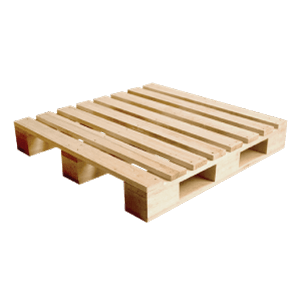
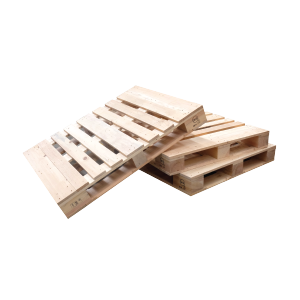
The right wooden pallets have a dry and clean surface. The wood is free from bark and mold stains. In addition, the boards look tightly arranged and sturdy.
In export practices, wooden pallets for sea containers always have a neat physical condition. Cracked or damp pallets increase the risk of collapse during stacking. Therefore, a visual inspection before stuffing is a mandatory step.
Pallet Size and Strength for Containers
Sea containers have standard dimensions. Pallets must fit the available space for efficient loading. Commonly used pallet sizes are 1100 x 1100 mm and 1200 x 1000 mm, depending on the destination country.
In terms of strength, pallets must be able to support loads of 1–2 tons, depending on the design. Export pallets generally use hardwood or dry processed wood. With these specifications, goods remain stable during sea transportation.
ISPM 15 Stamp and Pallet Identification
Every pallet must have an ISPM 15 stamp. This stamp contains the country code, manufacturer registration number, and treatment method. In addition, the stamp must be clearly visible without additional paint.
Data from Asian ports shows that around 25% of holds occur because stamps are unclear or damaged. Therefore, exporters need to check the stamp before placing the pallets into the container.
Supporting Documents for Sea Shipping
Documents play an important role in addition to physical condition. Without complete documents, pallets may be held even if they have undergone HT.
Heat Treatment Certificate
The HT certificate includes the treatment date, temperature, duration, and chamber number. Logistics data shows that shipments with complete certificates are completed 2–3 days faster than those without complete documentation.
Packing List and Invoice
The packing list explains the number of pallets, type of wood, and weight. The invoice ensures that the goods’ value information is correct. Data inconsistencies often trigger further inspections.
Financial Risks If Pallets Do Not Meet Requirements
Pallet errors can lead to additional costs. The average demurrage cost for sea containers reaches USD 50–120 per day. In addition, shipping delays can lead to contract penalties.
In the long term, the exporter’s reputation can also be affected. Importers tend to choose partners with consistent and safe shipping records. Therefore, investing in standard pallets can actually reduce total costs.
The Role of Pallet Manufacturers in Sea Container Safety
Pallet manufacturers play a role starting from wood selection. The wood must be dry and free from mold. In addition, the Heat Treatment process must be properly controlled and recorded.
PT. Bumi Mandiri Resources applies digital temperature recording in every chamber. This system helps with quick verification during inspections. In addition, pallet production is adjusted to the requirements of sea containers and destination countries.
Practical Tips for Using Wooden Pallets in Sea Containers
Use certified HT pallets from the beginning. In addition, keep physical and digital copies of the documents. Inspect the pallets before stuffing. With these steps, the risk of damage and holds can be significantly reduced.
Lastly, choose an experienced pallet manufacturer. With consistent standards, sea shipping can run safely and efficiently. Therefore, make sure every export uses wooden pallets for sea containers so that your business can continue to grow without obstacles.
E-mail: info@bmr-pallets.com
WA: +62 817-200-135

