
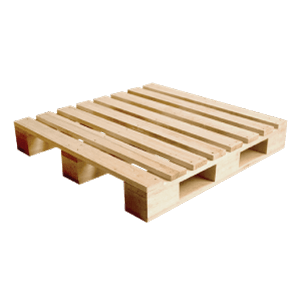


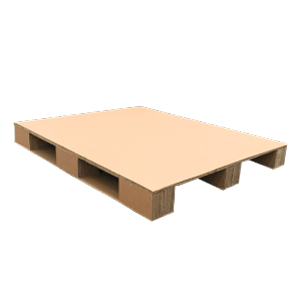

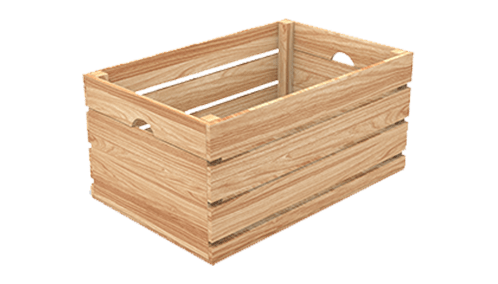
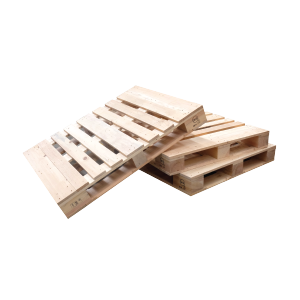

Wooden Pallets are usually the main focus when companies discuss warehouse storage and material handling. However, a simple accessory can add functionality to an existing pallet system without requiring major changes: the pallet collar.
A pallet collar helps create a retaining area around a pallet, allowing goods to be arranged more securely and systematically. This accessory is particularly useful when goods require additional storage space, protection from impact, or containment because their shapes make them difficult to stack directly.
Read also: Types of Wooden Pallets
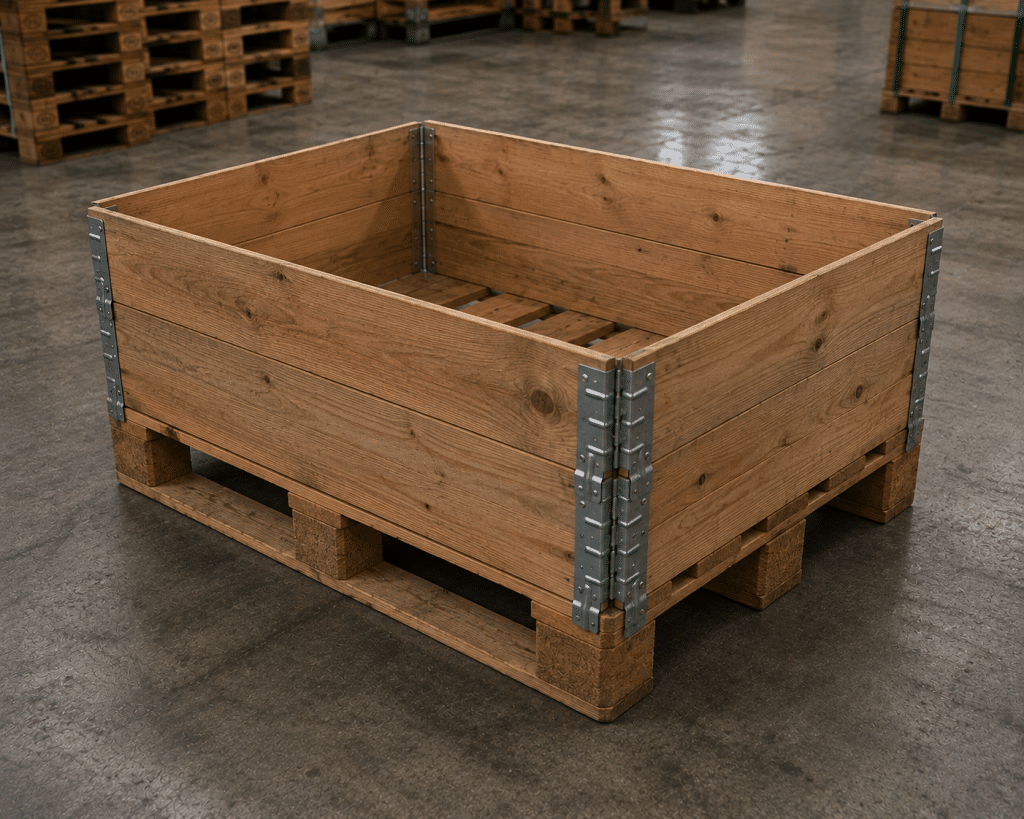
What Is a Pallet Collar and Why Are Many Buyers Unfamiliar with It?
A pallet collar is a frame installed on top of a pallet to create boundary walls around the load area. Unlike a pallet, which serves as the base of a unit load, a collar adds vertical structure so that goods can be placed within a more controlled space.
Pallet collars are generally designed to be attached and removed as needed. This flexibility allows companies to use them without replacing the pallets already in operation.
This accessory is often overlooked because buyers tend to focus on pallet types, load capacity, and dimensions. However, in certain situations, the storage problem may not lie with the pallet itself but with how goods are contained and arranged on it.
How Does a Pallet Collar Work?
How to Install a Collar on a Standard Pallet
A pallet collar is placed on top of a pallet to form a boundary around the load. Goods can then be placed inside this enclosed area without necessarily requiring additional packaging to help maintain their position.
Some systems feature foldable collars that can be collapsed when not in use, making them easier to store and retrieve when needed. This design can be practical for operations that require repeated use.
However, installation must remain compatible with the pallet and collar design. Ensure the collar fits securely and does not interfere with forklift operations or pallet handling.
Common Collar Materials and Construction
Pallet collars are available in different materials and construction designs, depending on the intended application. Wood is one commonly used option, particularly when the collar is designed to be used with wooden pallets.
Collar construction should also account for height, material thickness, joint design, and the ability to withstand pressure from the goods inside. The higher or heavier the load, the more important it becomes to ensure that the collar specifications are appropriate for the application.
Therefore, collars should not be selected based on pallet dimensions alone. The type of goods and how the collar will be used must also be considered.
Compatibility with Different Pallet Sizes
The collar dimensions must match the pallet being used. An oversized collar may make the unit load unstable, while an undersized collar will not provide an optimal containment area.
If a company uses multiple pallet sizes, collar requirements should be mapped to each size. This helps ensure that the accessories fit dimensionally and support the existing handling system.
Image file: ADS-Website-02-2-1-301×1024.jpg
Benefits of Using a Pallet Collar
One of the main benefits of a pallet collar is that it adds vertical containment space for goods without requiring changes to the existing pallet base. This can be useful for irregularly shaped items or goods that are difficult to stack using conventional packaging.
A collar can also help keep goods within the pallet area during storage and movement. The surrounding walls provide additional protection against lateral movement or impact, although the level of protection still depends on the characteristics of the goods.
From an operational perspective, collars can offer greater flexibility in arranging products. Items with specific shapes that are difficult to organize using cartons or standard packaging can be placed within the enclosed area.
However, a collar is not a replacement for load-securing systems. For goods requiring special protection, users should also consider stretch film, strapping, separators, or other securing methods appropriate to the shipping conditions.
Read also: Pallet Racking
When Do You Need a Pallet Collar?
Bulky but Lightweight Goods
A pallet collar may be a suitable option when goods are bulky but relatively lightweight. Instead of using individual packaging that requires a large amount of material, goods can be placed within an area enclosed by the collar.
Examples include certain components, spare parts, or products whose shapes make individual packaging inefficient. The collar provides additional structure, allowing the available pallet space to be used more effectively.
Additional Protection During Shipping
Goods that can shift easily or require side containment may benefit from using a collar. Its structure can help keep goods within the pallet area during handling.
However, the required level of protection must be appropriate for the goods. For fragile or high-value products, a collar should be combined with other protective measures when necessary.
Optimizing Space for Stacked Goods
A collar can also help companies use vertical space in a more organized way. With boundaries around the pallet, goods can be arranged up to a suitable height without easily extending beyond the pallet area.
However, stacking height must still account for unit-load stability, pallet capacity, and the height restrictions of the warehouse or vehicle being used.
What to Consider Before Adding a Pallet Collar
The first thing to check is compatibility with the pallet being used. Dimensions, construction, and installation methods must be suitable to ensure that the collar does not interfere with handling operations.
Next, determine whether the collar will be used in a reusable or single-use system. For operations with frequent reuse, the material and construction should be selected with the frequency of installation, removal, storage, and transportation in mind.
Load capacity must also be considered. A collar helps contain and organize goods, but installing one does not automatically increase the pallet’s load capacity. The total load must remain within the limits of the pallet and the handling system being used.
Finally, consider how the unit load will be moved. Forklift access, load height, and pallet accessibility must remain safe after the collar is installed. An additional accessory should support operations rather than make handling more difficult.
Read also: Warehouse Pallet Racking
A Pallet Collar Is More Than Just an Accessory
A pallet collar can be a practical solution when companies need a more convenient way to organize, contain, and protect goods on pallets. Its use allows companies to make use of existing pallets without immediately replacing the entire storage system.
However, collars are not automatically suitable for every type of goods. Pallet dimensions, product characteristics, load weight, handling methods, and reuse requirements should all be considered before specifications are determined.
If your requirements involve storing irregularly shaped goods, adding protection, or optimizing unit loads, a pallet collar may be an option worth considering. Discuss your pallet and accessory requirements with the BMR team to find a solution suited to your operational system.
Email: info@bmr-pallets.com
WhatsApp: +62 8119-787-911


