
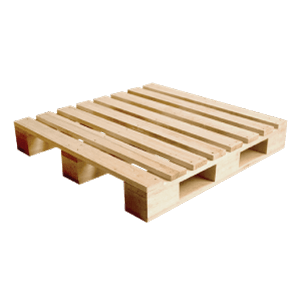


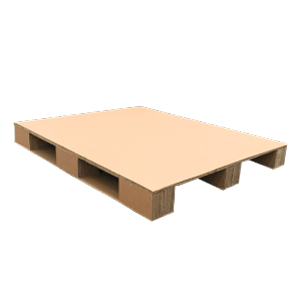

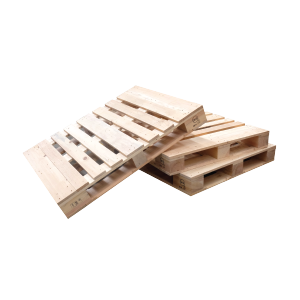

Choosing an EU pallet for export requirements involves more than simply looking at its size and price. Buyers need to ensure that the pallet meets the appropriate standards, quality requirements, and specifications for the intended shipment.
For Purchasing Managers and Export Managers, choosing the right EU pallet should begin with an understanding of the applicable pallet standards. Selecting the wrong pallet can affect storage, handling, and shipping processes at the destination country.
Read Also: Euro Pallet Inspection
Why Aren’t All EU Pallets Created Equal?
The term EU pallet or Euro pallet is often used to describe pallets with dimensions and designs similar to European pallet standards. However, a pallet with a “Euro-style” design is not necessarily a pallet that meets official EPAL standards.
This distinction is important when pallets are intended for export. In addition to certification, material quality and production processes can also vary between manufacturers.
Choosing a pallet without checking its standards and quality can create problems during the export process. Therefore, how to choose a Euro pallet should not be based solely on its physical appearance or the price offered by the supplier.
What to Check Before Choosing an EU Pallet
Verify EPAL Certification and Valid Markings
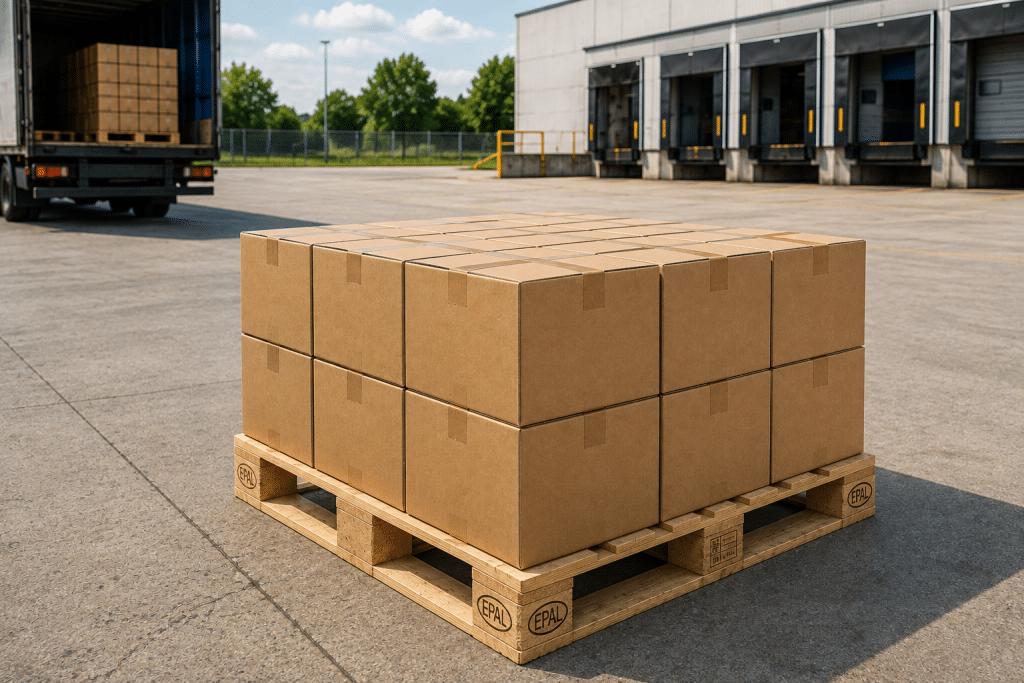
One of the first things to check is the EPAL certification and markings on the pallet. If your requirements specify the use of EPAL pallets, make sure the pallets offered actually have valid certification and markings.
Buyers can also request information or a copy of the EPAL certificate from the supplier before placing an order. This step helps ensure that the pallet being purchased is not simply a pallet designed to resemble a Euro pallet.
Check Wood Quality and the Heat Treatment Process
Wood quality is an important factor in determining EU pallet quality. The materials used should be carefully considered because they can affect the pallet’s condition and performance during storage and transportation.
The heat treatment process should also be verified, especially for export requirements. Buyers should ask how the process is carried out and make sure the supplier can provide clear information about its production process.
Make Sure the Dimensions Meet the Required Standard
Dimensions are another important criterion when evaluating a quality EU pallet. The commonly used EU pallet size standard is 1,200 × 800 mm, but buyers should still confirm that the pallet dimensions and tolerances meet the requirements of the intended application.
Incorrect dimensions can affect handling processes and pallet compatibility with the storage system being used. Therefore, dimensions should be confirmed before placing an order rather than relying solely on the term “Euro pallet.”
Matching the EU Pallet to Your Shipping Requirements
The right EU pallet may differ depending on the export application. Buyers need to consider how the pallet will be used, what type of goods will be transported, and the storage and handling systems available in the destination country.
Consider the Required Load Capacity
Load capacity should be matched to the weight of the goods placed on the pallet. Do not choose a pallet based solely on its dimensions, as load requirements can vary depending on the type of goods.
Buyers should provide the supplier with information about the expected load weight so that the pallet specifications can be adjusted accordingly. This is an important part of choosing an EU pallet for industrial requirements.
Check Compatibility with Warehouse and Racking Systems
Before selecting a pallet, also consider the warehouse system that will be used in the destination country. Pallet dimensions should be compatible with the storage system and racking configuration to ensure proper handling and storage.
Information about the type of rack, handling method, and operating conditions should be communicated to the supplier from the beginning. This ensures that the selected pallet is not only dimensionally suitable but also compatible with the operational system.
Determine Whether You Need Reusable or Single-Use Pallets
The intended use of the pallet should also be clarified from the beginning. If the pallet will be reused multiple times, quality and durability become more important considerations than they would be for a one-way shipment.
Conversely, single-use applications may have different requirements. Therefore, buyers should communicate the intended use to the supplier before determining the pallet specifications.
Read Also: Euro Pallets in Containers
Common Mistakes When Choosing EU Pallets
One common mistake is focusing only on price without checking the pallet’s certification and quality. A lower price does not necessarily provide better value if the pallet does not meet export requirements.
Another mistake is failing to verify the supplier’s production capacity. For large-volume requirements, buyers need to make sure the supplier has sufficient production capabilities to fulfill orders according to the required volume and schedule.
Buyers should also avoid overlooking the specific requirements of the export destination. Warehouse systems, handling methods, and applicable requirements may all need to be considered when selecting the appropriate pallet.
How to Ensure the EU Pallet You Purchase Meets International Standards
Before placing an order, buyers can request a copy of the EPAL certificate from the supplier if the required pallets need to meet EPAL standards. This information can be used to verify that the pallets offered have the appropriate certification.
In addition to certification, the supplier’s export track record can also be considered. Knowing whether the supplier has previously handled shipments to the same destination country can provide an indication of its experience in meeting export requirements.
For large-volume orders, conducting a sample evaluation before committing to the entire order volume can also be a practical step. A sample gives buyers an opportunity to evaluate pallet suitability before moving to regular orders.
Certification and Quality Matter More Than Price Alone
When considering tips for choosing an EU pallet, price is certainly one factor, but it should not be the only consideration. Certification, material quality, load capacity, dimensions, and suitability for the intended shipping requirements should also be evaluated before selecting a supplier.
The right EU pallet can help support smooth export operations, from handling to storage in the destination country. Therefore, buyers should choose a supplier that can provide clear information and supporting evidence regarding the standards and quality of its products.
Make sure the supplier has a clear track record and can meet the agreed specifications consistently. For EU pallet requirements, consult the BMR team about your specifications and export needs.
E-mail: info@bmr-pallets.com
WA: +62 817-200-135

