
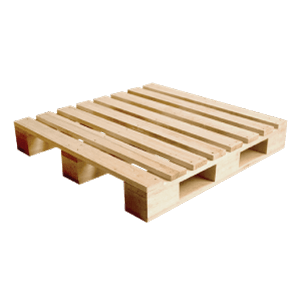


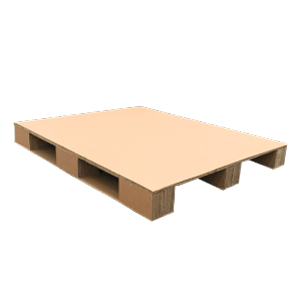

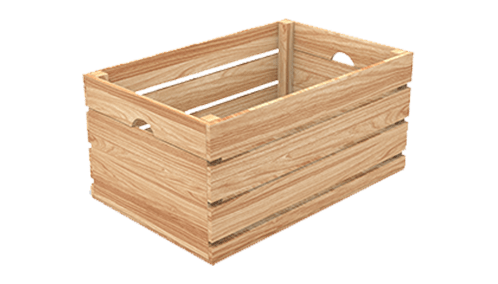
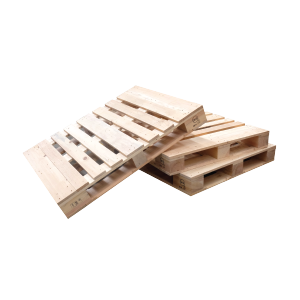

An Indonesian export wooden pallet supplier is a company that manufactures and supplies wooden pallets in accordance with international standards, such as ISPM 15, for cross-border shipping. These pallets must undergo heat treatment and bear the IPPC mark to meet the import requirements of destination countries such as the United States, Europe, and Japan.
In practice, many export companies face challenges not with their main products, but with packaging materials such as pallets that fail to meet international standards. This can result in rejection at destination ports, shipping delays, and unexpected additional costs. Therefore, choosing the right pallet supplier is essential to maintaining a smooth supply chain and protecting business reputation.

What Is an Export Wooden Pallet Supplier?
An export wooden pallet supplier is a manufacturer or supplier that provides pallets meeting international standards for cross-border shipments.
Unlike pallets intended for domestic use, export pallets must comply with stricter regulations because they are used in global logistics operations. An export pallet supplier does more than provide products; it also ensures that each pallet undergoes the appropriate treatment and is ready for international shipping.
Wooden pallets serve several purposes:
- Supporting goods during logistics operations.
- Facilitating material handling using forklifts.
- Enabling efficient cargo arrangement inside shipping containers.
For export companies, pallets are not merely handling equipment but also an integral part of the distribution system. Choosing the wrong pallets can directly affect operations, costs, and customer confidence.
What Are the Standards for Export Wooden Pallets (ISPM 15)?
The primary international standard for export wooden pallets is ISPM 15, which regulates the treatment of wood packaging materials to prevent the spread of pests between countries.
ISPM 15 is an internationally recognized standard applied to wood packaging materials used in international trade. It helps ensure that wooden pallets do not carry harmful organisms into destination countries.
Without meeting the applicable requirements, pallets may be rejected by quarantine authorities, potentially causing significant disruptions to the shipping process.
What Is ISPM 15?
ISPM 15 is an international standard governing the treatment of wood packaging materials, including pallets, crates, and other wooden packaging products. Its purpose is to prevent the spread of pests that could damage ecosystems in destination countries.
Heat Treatment Process
Wooden pallets must undergo heat treatment, reaching a minimum wood core temperature of 56°C for at least 30 minutes, in accordance with ISPM 15 requirements. This process is designed to eliminate harmful organisms before the pallets are used for international shipping.
IPPC Mark
Pallets that comply with ISPM 15 requirements must bear the IPPC mark as evidence that the wood packaging has been treated in accordance with applicable international regulations and meets the relevant export requirements.
Export Wooden Pallet Specifications
Export wooden pallets must have suitable dimensions, load capacities, and moisture content levels to meet international shipping requirements.
In addition to complying with ISPM 15, the technical specifications of pallets play an important role in protecting goods throughout the shipping process.
Export Pallet Sizes
Pallet dimensions can be selected based on the requirements of the destination market:
- USA: 1,200 × 1,000 mm
- Europe (EPAL): 1,200 × 800 mm
- Japan: 1,100 × 1,100 mm
Choosing the appropriate pallet size can improve container space utilization and increase shipping efficiency.
Load Capacity
Load capacity refers to a pallet’s ability to support a load. Export pallets are designed to support heavy loads under both static and dynamic conditions.
Moisture Content
The moisture content of wooden pallets should be maintained below 20% to reduce the risk of mold growth and help preserve structural strength during shipping.
How to Choose an Export Wooden Pallet Supplier
Choose a pallet supplier with appropriate ISPM 15 certification or authorization, stable production capacity, and experience in handling export requirements.
In procurement, many companies focus primarily on price without considering compliance and product quality. This can lead to problems during shipment.
A reliable pallet supplier should be able to:
- Ensure that pallets comply with relevant international standards.
- Maintain consistent production quality.
- Understand the specific requirements of different industries.
Certification
Ensure that the supplier has the appropriate ISPM 15 certification or authorization and follows the applicable international standards throughout the production and treatment processes.
Production Capacity
A supplier should be able to fulfill large-volume orders consistently without compromising product quality.
Export Experience
An experienced supplier understands the different regulations and requirements of various destination countries.
Problems caused by choosing the wrong pallet supplier often become apparent only after goods have been shipped. At this stage, corrective costs can be significantly higher than those incurred by selecting the right supplier from the beginning.
Risks of Using Non-Compliant Pallets
Pallets that fail to meet applicable standards can result in shipment rejection, delays, and operational losses.
In international shipping, pallets are part of the wood packaging materials subject to quarantine inspections. If pallets fail to meet the applicable requirements, the entire shipment may be affected.
Common risks include:
- Rejection or detention at destination ports.
- Shipment delays that disrupt distribution schedules.
- Additional costs for fumigation or pallet replacement.
- Potential loss of customer confidence.
Why Choose BMR as Your Export Pallet Supplier?
BMR is a wooden pallet manufacturer focused on export requirements and industrial applications.
BMR understands that pallets are more than just products; they are an integral part of a logistics system that must meet applicable international shipping requirements. With experience in wooden pallet manufacturing, BMR provides solutions tailored to export needs.
Key advantages of BMR Pallets:
- Wooden pallet production in accordance with ISPM 15 requirements.
- Consistent quality for industrial applications.
- Custom pallet manufacturing based on customer specifications.
- Support for export requirements across various industries.
Consultation & Ordering Export Wooden Pallets
If you need wooden pallets for export that meet international standards, our team is ready to help you find a solution tailored to your requirements.
- Consult with us about your pallet requirements.
- Request a quotation for your export needs.
- Discuss pallet specifications based on your destination country’s requirements.
Export Wooden Pallet FAQ
Are wooden pallets required to comply with ISPM 15 for export?
Yes, many countries require wooden pallets used for international shipments to comply with ISPM 15, subject to the regulations and exemptions applicable in the destination country.
How much do export wooden pallets cost?
Pallet prices depend on dimensions, specifications, and order volume.
Can pallets be customized?
Yes, pallets can be manufactured according to shipping requirements and customer specifications.
What is the load capacity of a wooden pallet?
Load capacity depends on the pallet design and the type of wood used.

