
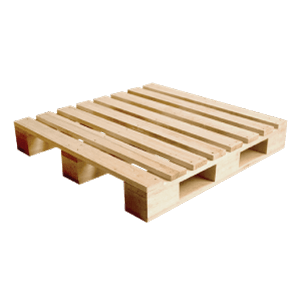


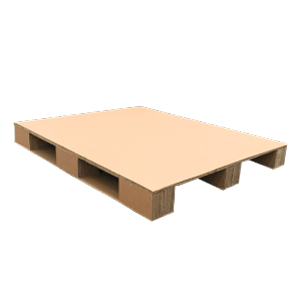

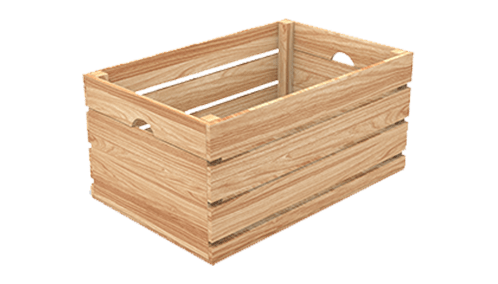
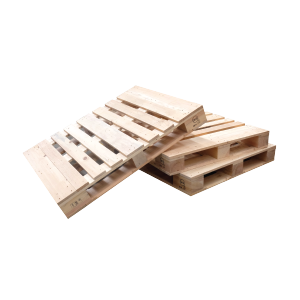

ISPM 15 Pallets – For export activities, the use of ISPM 15 pallets is one of the important requirements so that wooden packaging can be accepted in the destination country. Pallets that have undergone Heat Treatment (HT) according to international standards help reduce the risk of spreading wood pests and meet quarantine regulations in various countries.

However, ISPM 15 pallet prices are not always the same. Differences in specifications, materials, and production processes can affect the costs incurred by companies. Understanding these factors will help you choose pallets that suit your logistics needs while optimizing your budget.
Also Read: Wooden Pallet Prices
Types of Wood Used
The type of wood is one of the main factors that determine the price of ISPM 15 pallets. Each type of wood has different characteristics, such as strength, density, durability, and service life.
Hardwoods such as Meranti or Bengkirai generally have higher prices because they can withstand heavy loads and have better durability. Meanwhile, woods such as Sengon or Albasia are more economical and suitable for applications with lighter load capacities.
Pallet Size and Dimensions
The larger the pallet size, the more wood material is required, so the price will also increase.
In addition to standard sizes such as 1200 × 1000 mm or 1100 × 1100 mm, many companies require custom sizes that are adjusted to production machines, warehouse racks, or container dimensions. Custom-sized pallets usually require additional production processes, which affect the overall cost.
Pallet Thickness and Construction
The pallet construction design greatly determines the amount of material used. Pallets with thicker boards, larger blocks, or more components will have higher production costs.
On the other hand, pallets for light loads can use a simpler design, making them more economical without reducing their main function.
Heat Treatment Process According to ISPM 15 Standards
ISPM 15 pallets must undergo Heat Treatment (HT) with a minimum core wood temperature of 56°C for 30 minutes according to international standards.
This process requires kiln facilities, temperature control systems, documentation, and inspection, which add value and production costs compared to regular wooden pallets. Nevertheless, the HT process ensures that pallets are ready to be used for export to various countries.
Order Quantity
Purchase volume also affects the unit price of pallets.
Bulk orders are generally more efficient because production processes, material usage, and distribution can be optimized. Therefore, many manufacturers offer more competitive prices for project-scale purchases or long-term contracts.
Level of Customization
Each industry has different requirements. Some companies require pallets with specific specifications, such as:
- Custom dimensions
- Specific load capacity
- 2-way or 4-way entry models
- Designs according to racking systems
- Chamfer or bevel edges
- Company logos
- Identification numbers or barcodes
The higher the level of customization, the more complex the production process, so manufacturing costs will also increase.
Production Quality and Quality Control
Manufacturers that implement standardized production processes generally carry out material selection, wood drying, dimensional control, joint strength inspection, and final inspection before delivery.
These quality control processes help ensure that each pallet has consistent quality and is ready for use in logistics and export activities. Although they can affect the price, good quality often provides long-term efficiency through a longer service life and lower risk of damage.
Why Shouldn’t You Choose Pallets Based on Price Alone?
Price is indeed an important consideration, but it is not the only factor when choosing ISPM 15 pallets. Pallets with prices that are too low may not have specifications suitable for export needs or may not be able to withstand loads during distribution.
On the other hand, choosing pallets produced according to standards, using the right materials, and undergoing proper Heat Treatment can help maintain product safety, reduce the risk of damage, and support smooth international shipping.
ISPM 15 Wooden Pallets for Sale
ISPM 15 pallet prices are influenced by various factors, ranging from wood type, size, construction, Heat Treatment process, order volume, level of customization, to production quality. Understanding these factors helps companies choose pallets that meet their operational needs without focusing only on the lowest price.
For export needs, make sure you work with a manufacturer that can provide ISPM 15 pallets according to international standards so that products can be shipped more safely and efficiently while meeting the requirements of the destination country.
***Contact Us at Info@bmr-pallets.com or **0818 600 135*
FAQ
Do all ISPM 15 pallets have the same price?
No. Prices are affected by wood type, size, design, Heat Treatment process, technical specifications, and order quantity.
Why are ISPM 15 pallets more expensive than regular pallets?
Because ISPM 15 pallets must undergo Heat Treatment according to international standards and meet export requirements.
Does pallet size affect the price?
Yes. The larger the dimensions and the higher the required load capacity, the higher the pallet price will generally be.
Can bulk orders be more economical?
In general, purchasing in large volumes can provide a lower cost per unit due to production and distribution efficiency.
How to Choose the Right ISPM 15 Pallet?
Choose pallets based on load capacity, product type, export destination, and required dimensions, and make sure the pallets are produced according to ISPM 15 standards and have valid marking (stamping).
📅 Last updated:

