




Indonesia is known as one of the largest coffee producers in the world. Various types of coffee such as Arabica, Robusta, Gayo, Toraja, Kintamani, and Java coffee are marketed to various countries and are high-value export commodities. To maintain coffee quality during the distribution process, every stage of logistics needs to be designed optimally, including the use of suitable wooden pallets for export needs.
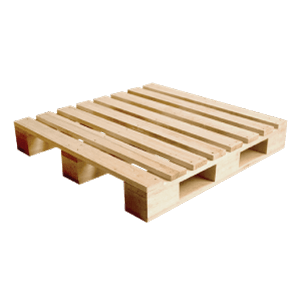
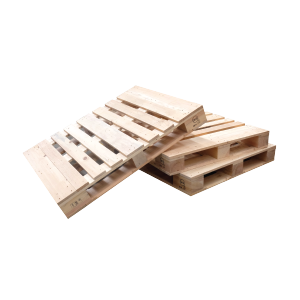
In addition to serving as handling media, wooden pallets also help maintain product stability during storage in warehouses, movement using forklifts, and shipping in containers. For export needs, using ISPM 15 wooden pallets is an important requirement to ensure that shipping can proceed according to international standards.
Why Does Indonesian Coffee Need Wooden Pallets for Export?
Export coffee is generally packed in sacks, special bags, or cartons before being arranged on pallets. During the distribution process, pallets help keep the products stable, making handling easier in warehouses and when loading them into containers.
In addition to improving logistics efficiency, using wooden pallets also helps reduce the risk of packaging damage caused by repeated handling. With a more organized product arrangement, companies can make better use of storage and container space.
ISPM 15 Standards to Support Coffee Export
Why Must Wooden Pallets Meet ISPM 15?
Many export destination countries have requirements for the use of wood materials in international trade. The ISPM 15 (International Standards for Phytosanitary Measures No. 15) standard aims to prevent the spread of pests that may be carried through wood packaging materials.
To meet these requirements, wooden pallets must undergo Heat Treatment (HT) according to international standards. After the process is completed, the pallets will be given ISPM 15 marking as proof that they are suitable for export needs.
Reducing the Risk of Issues in the Destination Country
Using wooden pallets that meet ISPM 15 standards helps companies meet one of the important requirements in international trade. This can reduce the risk of additional inspections or administrative issues that could delay the shipping process.
Compliance with these standards also shows that the company has implemented a logistics system that supports good export practices.
Challenges of Distributing Coffee to International Markets
Coffee distribution is not only about shipping products from the factory to the port. Products must also go through warehouse storage, movement using material handling equipment, and container arrangement before being shipped to the destination country.
During this process, wooden pallets serve as a medium that helps maintain the stability of the product arrangement. By using pallets with strong construction and suitable dimensions, companies can reduce the risk of packaging shifting or being damaged during distribution.
In addition, using the right pallets also helps speed up loading and unloading processes, making logistics activities more efficient.
Choosing Wooden Pallets for Coffee Export
Choosing wooden pallets should take into account the characteristics of the product and the company’s distribution needs. In addition to using quality wood materials, the pallets should have a load capacity suitable for the amount of coffee being shipped.
For export needs, companies should choose pallets that meet ISPM 15 standards and are produced by suppliers with good quality control systems. This allows companies to obtain pallets with consistent quality that are ready to support long-term export needs.
BMR Provides ISPM 15 Wooden Pallets for Coffee Export
BMR is a wooden pallet manufacturer serving industrial, logistics, and export needs in Indonesia. All export wooden pallets are produced using quality materials and have undergone Heat Treatment according to ISPM 15 standards.
With a production capacity of more than 100,000 pallets per month, BMR can meet large-scale wooden pallet needs for various industrial sectors, including coffee exporters. In addition to standard sizes, BMR also provides custom pallets that can be adjusted to customers’ storage and distribution systems.
Supported by production facilities in Karawang, Boyolali, and Gresik, BMR is ready to become a trusted partner in providing quality wooden pallets to support Indonesian coffee exports to various countries.
Consult Your Export Wooden Pallet Needs with BMR
The success of coffee exports depends not only on the quality of the coffee beans but also on the logistics system supporting distribution to the destination country. Using wooden pallets that meet ISPM 15 standards is an important step to help ensure smooth international shipping.
If your company needs ISPM 15 wooden pallets for Indonesian coffee export, the BMR team is ready to provide solutions according to your business needs. Contact us for recommendations on pallet specifications, sizes, and solutions to support coffee export activities safely, efficiently, and in compliance with international standards.

