




wooden pallets for stable heavy loads are an essential need in the industrial, logistics, and export sectors. Therefore, pallet selection cannot be done carelessly because it involves the safety of high-value goods. In addition, heavy loads require a pallet structure that is truly balanced. So, read the following discussion until the end because every technical aspect directly affects load stability.
Why Is Stability So Important for Heavy Loads?
Heavy loads place significant pressure on pallets. This pressure works vertically and horizontally during lifting, stacking, and shipping. If the pallet is unstable, goods can easily tilt or fall. Logistics industry data shows that more than 50% of warehouse accidents are related to pallet failure.
In addition, heavy loads are often stacked. Pallets at the bottom must support multiple layers of load. Therefore, the pallet structure must distribute the load evenly. With high stability, the risk of damaged goods and workplace accidents can be reduced.
Why Are Wooden Pallets Suitable for Heavy Loads?
Wooden pallets are strong and flexible. Wood can absorb pressure and vibration better than lightweight materials. In addition, wooden pallets can be easily adjusted to industrial needs.
In industrial applications, wooden pallets for stable heavy loads can support loads of up to 1.5–2.5 tons, depending on the design and type of wood. This makes wooden pallets a main choice for machinery, building materials, and heavy manufactured products. With the right construction, pallets remain stable even when used repeatedly.
Wooden Pallet Structure That Maintains Load Stability
Pallet structure determines its load-bearing capacity. Heavy-load pallets do not only depend on board thickness, but also on the arrangement and support points.
After understanding the importance of structure, here are the main elements that need to be considered.
Stringers and Blocks as Main Supports
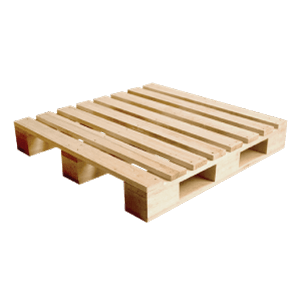
Stringer pallets use long beams as supports. This design is suitable for evenly distributed loads. Meanwhile, block pallets have blocks at each corner and in the center. The block design provides more balanced load distribution. Therefore, block pallets are often used for heavy loads and high stacking.
Types of Wood That Support Heavy Loads
The type of wood greatly affects pallet strength. Hardwood has dense fibers and high compressive strength. In addition, dried wood is more stable and less likely to warp.
Industrial pallets generally use wood with controlled moisture content. With this condition, wooden pallets for stable heavy loads are less likely to crack when exposed to repeated pressure. Technical data shows that dry wood can increase durability by 20–30% compared to wet wood.
Also Read Complete Wooden Pallets in Indonesia
Pallet Design for Even Load Distribution
The design of the boards and the spacing between them affect stability. Boards that are spaced too far apart cause the load to be concentrated in one area. In contrast, closely spaced boards distribute the load over a wider area.
In industrial applications, heavy-load pallets usually have thick boards with close spacing. In addition, the use of high-quality nails and fasteners keeps the structure strong. With this design, pallets can withstand dynamic pressure during transportation.
The Effect of Forklift Lifting on Stability
Forklifts are the main equipment used to move heavy loads. When the forks enter the pallet, pressure occurs on the bottom section. If the bottom structure is weak, the pallet can break.
Therefore, wooden pallets for stable heavy loads are designed to be compatible with forklifts from various sides. The four-way entry design makes lifting easier and maintains balance. With this access, the handling process becomes safer and more efficient.
Stacking and Storing Heavy-Loaded Pallets
Stacking is a major challenge for heavy loads. Pallets at the bottom receive the greatest pressure. Without sufficient stability, pallets can bend or collapse.
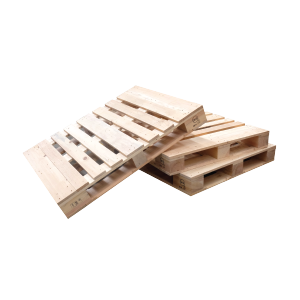
Warehouse data shows that heavy-duty pallets can safely support stacking of up to 3–4 layers. However, this can be achieved if the pallet design meets the required standards. Therefore, pallet selection is very important for warehouse safety.
The Role of Heat Treatment in Pallet Strength
Heat Treatment is not only used for quarantine purposes. This process also helps reduce the moisture content of wood. Drier wood has a more stable structure.
With Heat Treatment, wooden pallets for stable heavy loads are less likely to change shape due to temperature and humidity. In addition, the wood becomes more consistent when supporting heavy loads. This is important for long-distance shipping and long-term storage.
Financial Risks of Unstable Pallets
Unstable pallets can cause damage to high-value goods. In addition, workplace accidents can occur. Losses caused by pallet failure can reach hundreds of millions of rupiah per incident, depending on the value of the goods.
Furthermore, shipping delays can lead to contract penalties. Therefore, investing in quality pallets can actually reduce long-term operational costs.
The Role of Pallet Manufacturers in Maintaining Stability
Pallet manufacturers play an important role in maintaining quality. Wood selection, structural design, and production processes must be consistent. In addition, load testing needs to be carried out before the pallets are used.
PT. Bumi Mandiri Resources applies quality control at every stage of production. Each pallet is designed according to heavy-load requirements. With this approach, stability and safety are always maintained.
Tips for Choosing Wooden Pallets for Heavy Loads
Choose pallets with a block or heavy-duty design. In addition, make sure the wood is dry and free from defects. Check the board thickness and nail quality. With these steps, stability can be significantly improved.
Lastly, use pallets from an experienced manufacturer. With the right specifications, wooden pallets for stable heavy loads can maintain the safety of goods, operational efficiency, and smooth distribution.
E-mail: info@bmr-pallets.com
WA: +62 817-200-135

