
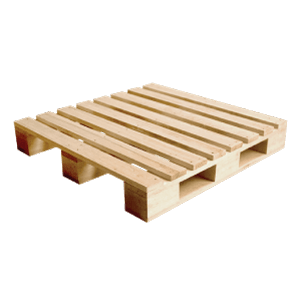





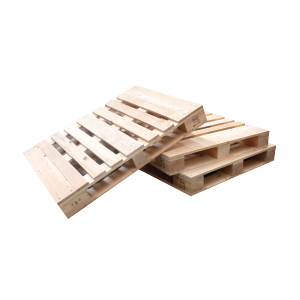

Export and logistics companies need pallets that are strong, safe, and compliant with international standards to support goods distribution. One of the most widely used pallet types is the EPAL pallet because it follows European standard specifications and is suitable for international shipping requirements.
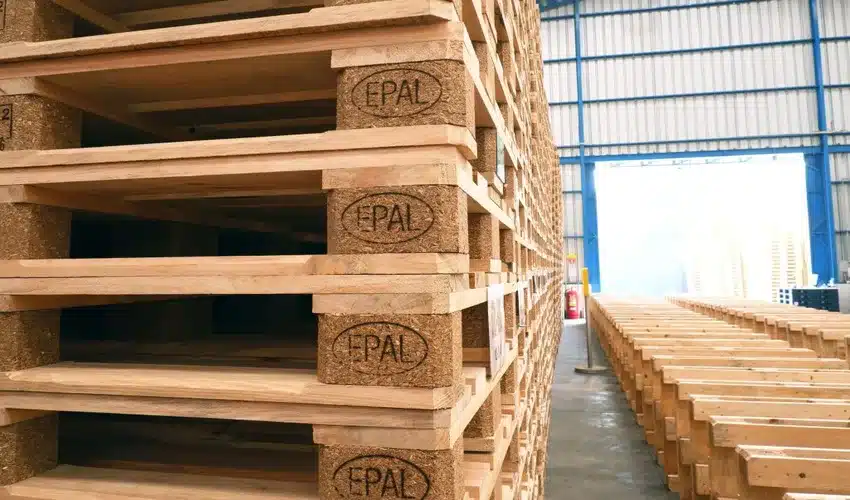
Before purchasing pallets for industrial requirements, many companies look for information about EPAL pallet prices based on dimensions, wood quality, and the export standards applied. Pallet prices can vary depending on specifications, load capacity, and each company’s distribution requirements.
EPAL Pallet Price Range
The price of EPAL pallets for industrial and export requirements generally ranges from Rp450,000 to Rp500,000 per unit. Prices may vary depending on the pallet type, delivery location, and wood treatment standards required for export purposes.
In addition to product specifications, order quantity and delivery location also affect the overall pallet price. For large-volume distribution requirements, companies generally receive more competitive pricing compared with individual purchases.
Rp450,000 – Rp500,000 per Unit
This price range generally applies to standard export EPAL pallets with specifications suitable for industrial and international distribution requirements. The pallets used generally undergo Heat Treatment and comply with ISPM 15 standards.
Many companies choose EPAL export pallets because they offer more consistent quality and are suitable for international shipments. Using high-quality pallets can also help reduce the risk of product damage during the distribution process.
Read Also: Why Do Exporters Use EPAL Pallets?
Factors Affecting EPAL Pallet Prices
EPAL pallet prices can vary depending on the specifications and industrial requirements. Factors such as wood type, pallet dimensions, load capacity, and export standards are among the main components affecting pallet prices.
In addition to technical factors, a company’s distribution requirements also influence the type of pallet used. Industries involved in heavy distribution and intensive pallet use generally require pallets with stronger and more durable construction.
Type of Wood Used
Wood material is one of the main factors determining pallet quality and price. Pallets made from hardwood generally have a stronger structure compared with pallets made from standard wood materials.
Because of their better durability, many companies choose high-quality EPAL wooden pallets for long-term distribution requirements. Using the right wood material helps improve pallet safety and service life.
Heat Treatment and ISPM 15 Standards
Pallets intended for export generally need to comply with ISPM 15 standards to be used for international shipments. This standard is intended to help prevent the spread of wood pests and organisms between countries.
Pallets that have undergone Heat Treatment generally have a higher price than standard pallets because they meet international export requirements. This is one of the reasons why standard export EPAL pallets are widely used by logistics companies and exporters.
Dimensions and Load Capacity
Pallet dimensions also affect the selling price because they are related to distribution requirements and storage capacity. The larger the dimensions and load capacity, the stronger the pallet construction generally needs to be, which can result in a higher price.
The commonly used standard EPAL pallet size is 1,200 x 800 mm, with a heavy-duty distribution capacity suitable for warehouse operations and international shipping. This standardized size helps make distribution more efficient and allows the pallet to be used with various modern logistics systems.
Order Quantity
The quantity of pallets purchased also affects the price offered by suppliers. Large-volume purchases generally receive more competitive pricing compared with individual purchases.
For this reason, many companies work with EPAL pallet suppliers to fulfill routine distribution requirements and large-scale export projects. Long-term cooperation can also help maintain a stable supply of industrial pallets.
Why Do Industries Choose EPAL Pallets?
EPAL pallets are one of the international pallet standards widely used across various industrial sectors. In addition to being strong and durable, these pallets are designed to support modern logistics systems and global distribution.
The use of standardized pallets helps companies improve distribution efficiency and facilitates goods storage in warehouses and shipping containers. For this reason, EPAL pallets are widely used for industrial and export requirements.
Safer for Export Shipments
EPAL pallets have a strong construction that helps maintain goods stability during international distribution. A stable pallet structure helps reduce the risk of damage caused by impacts and shifting goods.
Using EPAL pallets that meet the required standards also helps improve distribution safety and maintain product quality until the goods reach their destination.
Suitable for Modern Warehouse Systems
EPAL pallets are compatible with various logistics equipment, including forklifts, pallet jacks, and stackers. This helps make loading and unloading operations faster and more efficient.
In addition, standardized pallet dimensions make it easier to store pallets in modern warehouse racking systems. This efficiency helps companies improve distribution productivity and warehouse operations.
Used by Various Industries
Various industrial sectors use EPAL pallets for goods distribution and storage requirements. The food, manufacturing, pharmaceutical, and logistics industries use standardized pallets to support modern distribution systems.
Because of their flexibility and quality, many companies choose international EPAL pallets for both domestic distribution and international export shipments.
Tips for Buying EPAL Pallets for Export
Before purchasing pallets for industrial requirements, it is important to ensure that their quality and specifications match the company’s distribution requirements. Choosing the right pallets helps improve the safety and efficiency of goods transportation.
In addition to considering price, companies should also consider material quality, export standards, and pallet load capacity to ensure compatibility with their distribution system.
Make Sure They Meet ISPM 15 Standards
Use pallets that comply with ISPM 15 standards to help make international shipping safer. This standard is important for reducing the risk of quarantine-related issues in the destination country.
Pallets that have undergone Heat Treatment are generally better prepared for export and global distribution requirements.
Choose a Strong Pallet Construction
Pallet construction quality has a significant impact on goods safety during distribution. Pallets with a strong structure help maintain goods stability and reduce the risk of product damage.
Therefore, it is important to choose pallets with materials and construction systems that are suitable for your industry’s requirements.
Match the Pallet to Your Industry Requirements
Every industry has different distribution requirements depending on the type of goods and logistics system used. Pallet selection should be based on the required load capacity and the company’s storage requirements.
Many companies work with trusted EPAL pallet manufacturers to ensure that the pallets they use provide consistent quality and comply with international standards.
EPAL Pallets for Industrial and Export Requirements
BMR Pallets provides standard EPAL pallets for international export requirements for industrial, warehouse, and global distribution needs. The pallets are designed to help make logistics processes safer and more efficient.
With quality materials and international distribution standards, EPAL pallets are an effective solution for supporting industrial-scale goods transportation and international export requirements.
Conclusion
EPAL pallet prices are influenced by various factors, including wood type, dimensions, load capacity, and the export standards applied. Therefore, it is important to choose pallets that match the company’s distribution requirements and logistics system.
With their international quality and standards, EPAL pallets are widely chosen by companies for safe and efficient international goods transportation and distribution.

