
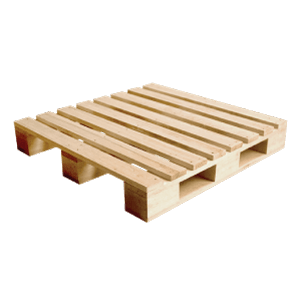


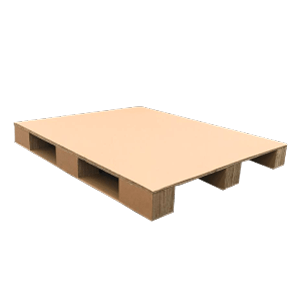

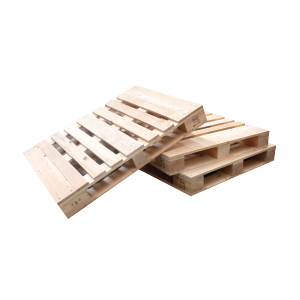

What type of wood are pallets made of? That question is crucial for exporters, warehouse operators, and manufacturers who rely on wooden pallets every day. The kind of wood used determines how strong, durable, and safe a pallet will be for export.
In this guide, PT. Bumi Mandiri Resources (BMR) reveals which types of wood go into quality pallets, how each performs, and why the right material matters. Keep reading your understanding of pallet wood could save money, reduce risks, and improve your logistics system.
Why Knowing the Wood Type Matters
Knowing what type of wood are pallets made of helps businesses choose the right balance between cost, strength, and sustainability. Each species has unique density, weight, and durability levels. Choosing incorrectly can lead to breakage, mold, or cargo loss during shipment.
The National Wooden Pallet & Container Association (NWPCA) estimates that over 2 billion pallets move goods worldwide each year, and wood remains the most trusted material because of its recyclability, low cost, and strength. Still, not all wood performs equally under pressure.
The Two Main Wood Categories: Hardwood and Softwood
When people ask what type of wood are pallets made of, the answer usually starts with two groups: hardwood and softwood.
Hardwood pallets come from dense trees such as meranti, oak, mahogany, and beech. These woods handle heavy loads and resist impact, making them ideal for export industries like steel, automotive, or heavy manufacturing.
Softwood pallets, on the other hand, come from lighter species such as pine, albasia, and spruce. They are easier to handle, cost less, and work perfectly for fast-moving consumer goods (FMCG), food, and electronics shipments.
Hardwood can carry up to 3 tons of static load, while softwood supports about 1.5 tons. That’s why choosing the right type for your products is critical.
Common Wood Types in Indonesia
In Indonesia, PT. Bumi Mandiri Resources uses three main types of wood for pallets — meranti, rubberwood, and albasia (falcataria). Each species brings different advantages:
- Meranti – A tropical hardwood known for strength, toughness, and impact resistance. It’s perfect for export shipments that carry heavy cargo.
- Rubberwood – A sustainable by-product of latex plantations. It’s smooth, consistent, and ideal for medium-weight goods.
- Albasia (Falcataria) – A fast-growing softwood that’s light, affordable, and eco-friendly. It’s great for air freight and bulk exports.
So, when companies ask what type of wood are pallets made of in Indonesia, these three sustainable options lead the market.
Moisture Control and Wood Preparation
The quality of pallet wood depends not just on the species but also on how it’s prepared. Wet wood can warp or grow mold during storage. That’s why BMR kiln-dries every board until moisture content drops below 20 percent. This ensures the pallets stay straight, clean, and durable even under tropical humidity.
After drying, each pallet undergoes heat treatment at 56°C (132.8°F) for at least 30 minutes. This process kills insects, larvae, and fungi, making the pallets safe for global export.
Whether hardwood or softwood, no pallet leaves the factory untreated. Certification marks such as HT (Heat Treated) and IPPC prove compliance with ISPM-15 standards, which are recognized in over 180 countries.
Sustainability and Legal Certification
BMR sources all wood from legally certified plantations verified by the Indonesian Government. Rubberwood and albasia trees grow quickly and absorb up to 12 tons of CO₂ per hectare annually, helping offset emissions from transport.
This eco-friendly sourcing allows exporters to meet sustainability requirements from global clients who prioritize ESG (Environmental, Social, and Governance) values.
How Wood Type Affects Cost and Performance
Different woods create different price points. Softwood pallets usually cost less due to lighter material and faster processing. Hardwood pallets cost more but last longer and carry heavier loads.
So when calculating value, always include lifespan and performance. A hardwood pallet might cost more upfront, but its durability lowers total replacement costs over time.
The BMR Advantage in Quality and Scale
PT. Bumi Mandiri Resources produces more than 120,000 pallets per month, supplying clients across Japan, Singapore, Australia, and Europe. The company uses automated cutting, nailing, and kiln-drying systems to maintain uniform quality.
BMR’s engineering team customizes pallet designs based on load type, container size, and shipping route.
Real Data on Strength and Longevity
Tests show that BMR’s meranti and rubberwood pallets can support up to 3 tons of static load and 1.5 tons of dynamic load during transportation. Heat-treated pallets also last up to 40% longer than untreated ones and reduce product damage by 28% according to Packaging Europe 2024.
These numbers prove that selecting the right wood type makes a measurable difference in logistics performance and long-term cost efficiency.
Why Exporters Trust BMR
Exporters trust BMR because the company combines sustainable sourcing, modern technology, and transparent certification. Every batch includes digital records showing treatment data, wood origin, and moisture levels.
This transparency builds trust with customs officials and clients, ensuring shipments clear quickly and safely.
Conclusion, Strong Wood, Stronger Trade
So, what type of wood are pallets made of? The answer includes durable hardwoods like meranti and sustainable softwoods like albasia and rubberwood. Each brings unique benefits in strength, weight, and sustainability. When combined with BMR’s precision drying and heat treatment, they create pallets built for global performance.
PT. Bumi Mandiri Resources turns these certified timbers into export-ready pallets trusted across continents. Every unit supports safety, efficiency, and environmental care, values that define world-class logistics.
If your business depends on reliable shipping and compliance, don’t risk unknown sources. Contact BMR today to order certified wooden pallets made from strong, sustainable timber, engineered to carry your business forward.
E-mail: info@bmr-pallets.com
WA: +62 8119-787-911

