
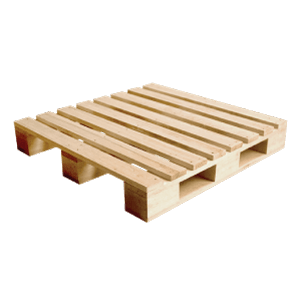


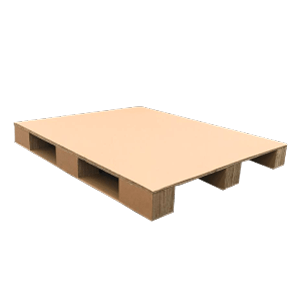

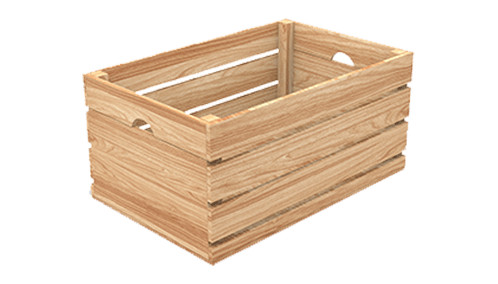
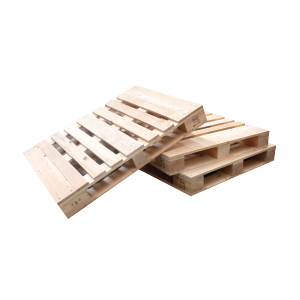

What is pallet wood made of? That question seems simple, but the answer explains why some pallets last for years while others break after one shipment. Every exporter, warehouse owner, and manufacturer relies on pallets, yet few people know what type of wood gives them strength and value.
In this article, PT. Bumi Mandiri Resources (BMR) reveals the exact materials used in wooden pallets, how they affect quality, and why the choice of timber matters for export safety. Keep reading these insights can help you choose better pallets for your business.
Why Knowing the Wood Type Matters
Understanding what is pallet wood made of helps businesses select the right type for weight, climate, and export rules. The wrong wood can warp, crack, or even fail under load. According to the National Wooden Pallet & Container Association (NWPCA), over 2 billion pallets move goods globally each year, and more than 90% of them are made from solid wood. The type of timber determines strength, cost, and lifespan.
Hardwoods and Softwoods — The Two Main Categories
When people ask what is pallet wood made of, the answer starts with two categories: hardwood and softwood.
- Hardwood pallets use dense species like meranti, oak, beech, or mahogany. They support heavy loads and resist impact, perfect for machinery or automotive exports.
- Softwood pallets, usually made from pine, spruce, or albasia, are lighter and cheaper. They suit industries such as food, electronics, or consumer goods where weight reduction saves fuel and cost.
Studies show hardwood pallets carry up to 3 tons of static load, while softwood handles about 1.5 tons. Choosing the right balance between strength and weight is key for efficient logistics.
Common Wood Species Used in Indonesia
In Indonesia, PT. Bumi Mandiri Resources uses locally available and sustainable species such as meranti, albasia (falcataria), and rubberwood.
- Meranti offers high durability, ideal for export crates and heavy cargo.
- Albasia grows fast, making it eco-friendly and cost-efficient for large-scale use.
- Rubberwood, a by-product of latex plantations, provides consistency, strength, and sustainability.
Moisture Control and Kiln Drying
The strength of pallet wood depends not just on species but also on moisture. Wood that’s too wet can grow mold or warp. That’s why BMR dries every piece to below 20% moisture content before assembly. This process, called kiln drying, improves dimensional stability and prepares the wood for ISPM-15 heat treatment.
Proper drying ensures pallets remain straight and strong during humid sea voyages. It also makes heat treatment faster and more effective.
Heat Treatment and Certification
Every exporter needs to know not only what is pallet wood made of but also how it’s treated. Pallets made from untreated wood can carry pests and insects that damage ecosystems when shipped abroad.
To prevent that, BMR heat-treats each pallet by heating the wood core to 56°C (132.8°F) for at least 30 minutes. This process kills larvae and fungi without using chemicals. Afterward, each pallet receives the HT mark and IPPC logo, proving compliance with ISPM-15 international standards.
That certification means BMR pallets are safe for export to Japan, Australia, Singapore, the EU, and the United States.
Structure and Build Quality
Beyond species, quality also depends on how the wood is processed. Every plank must be cut, planed, and nailed with precision to ensure load balance. BMR uses automatic cutting and nailing machines to maintain consistent spacing and weight distribution.
Tests show that BMR pallets built from meranti and rubberwood withstand 15–20% more compression than untreated or recycled wood pallets. This difference prevents breakage during forklift operations and long container trips.
Sustainability and Legal Wood
When people ask what is pallet wood made of, they often forget to ask where it comes from. BMR sources only legal and certified timber from sustainable plantations verified by the Indonesian Government.
Rubberwood and albasia trees absorb about 12 tons of CO₂ per hectare annually, making them eco-friendly choices. Using plantation wood instead of illegal forest wood helps protect biodiversity while providing steady raw material for industries.
By focusing on sustainability, BMR ensures every pallet supports both business and the environment.
Benefits of Choosing the Right Wood
Using the right pallet wood gives several key advantages:
- Higher strength and fewer product damages.
- Lower weight, reducing shipping costs.
- Better hygiene, suitable for food and pharmaceuticals.
- Longer lifespan, reducing waste and replacement frequency.
- Guaranteed export acceptance, thanks to ISPM-15 compliance.
So when your team wonders what is pallet wood made of, the answer also defines how well your logistics perform in real-world conditions.
Global Demand and BMR’s Capacity
The global pallet market reached US$60 billion in 2024, and wood remains the top choice due to cost efficiency and recyclability. PT. Bumi Mandiri Resources contributes to this growth by producing over 120,000 pallets per month using advanced heat-treatment and quality control systems.
With a client base across 10+ countries, BMR continues to lead in certified, export-ready pallets that meet strict moisture, dimension, and strength requirements.
Why Exporters Trust BMR
Exporters trust BMR because of consistent quality, transparent certification, and responsive service. Every order includes treatment reports, moisture data, and photo documentation. That accountability ensures smooth customs clearance and zero shipment rejection.
Conclusion: Strong Wood Builds Stronger Business
So, what is pallet wood made of? It’s crafted from solid, responsibly sourced timber such as meranti, albasia, and rubberwood — species known for their balance of strength, lightness, and sustainability. With proper drying, heat treatment, and precision assembly, this wood becomes the backbone of global trade.
PT. Bumi Mandiri Resources turns these natural materials into certified pallets trusted worldwide. Each piece represents safety, reliability, and care for the environment. If your company values quality packaging and smooth export processes, don’t settle for unknown wood sources.
E-mail: info@bmr-pallets.com
WA: +62 8119-787-911

